
Elena Balbusso and Anna Balbusso
Pride and Prejudice by Jane Austen


Austen’s second published novel gave us Lizzy Bennet, Mr Darcy – and arguably the original romantic comedy. The ironic humour, the lovable Bennet clan and the brooding, arrogant Darcy have inspired ardent fans ever since, with popular adaptations ranging from the classic 90s TV drama to the Keira Knightley film, and of course the inspiration for Mark Darcy in Helen Fielding’s Bridget Jones series.
“It is a truth universally acknowledged, that a single man in possession of a good fortune, must be in want of a wife.”
Total votes 20

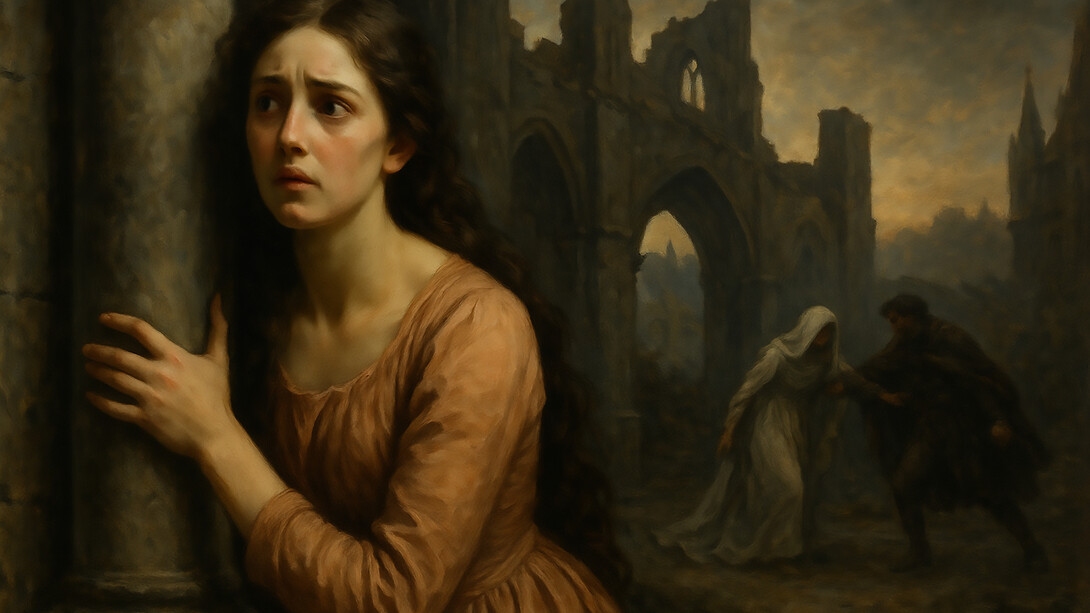
Karalyn Skinner, in her analysis of the use of the word "horrid" in Northanger Abbey, suggests there is a dual meaning. The Oxford Dictionary defines it as causing “horror or aversion,” being formed through the sensory, emotional language used within the gothic genre. It also relates to the circumstances of the heroine, who is kidnapped, imprisoned, and abused, usually by male protectors. Karalyn makes the distinction between Catherine Moreland’s view of horrid gothic and Isabella, who uses the more colloquial term to signify something offensive, disagreeable, and objectionable.

Jane Austen’s Northanger Abbey was not published until 1818, five months after her death, yet it was believed to have been written in the 1790s, at the time when the gothic novels it so famously criticises were being produced. It was sent to the publishers Crosby and Company under the title Susan in 1803 but was never published. Another novel by the same name was later published anonymously. Based in the remote isles of Scotland, it drew criticism from Anna Laetitia Barbauld, suggesting it was overrun with fevers, faintings, two duels, and deaths. Austen would therefore change the name of the book to distance herself from such criticism, but first, she had to reclaim the rights from the publisher. In 1809, she wrote to them under the pseudonym Mrs. Ashton Dennis (MAD), requesting they either publish the book or she would. They replied, stating they owned the copyright and she could buy it back at the same price they paid.

This book is meticulously researched using letters from the family. Lucy Worsley explores the impact of Jane Austen's experiences in different homes. She points out that readers enjoy Jane Austen for her themes of love and romance, but she suggests that a happy home is equally important. Her evidence for this is that her heroines are often displaced from their homes or families. In Pride and Prejudice, the Bennet sisters face the fact that their home will pass to a male relative upon their father's death.

