Showing posts with label Design. Show all posts

Sunday, November 15, 2026

Rediscovering the elegance of Art Nouveau


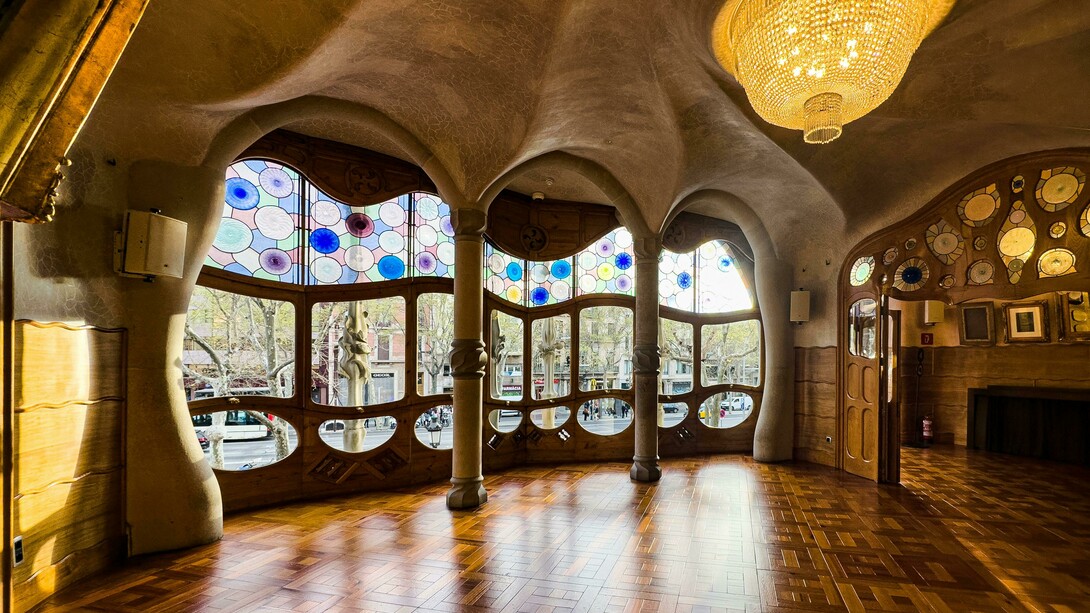
Barcelona, Spain, the interior of Casa Batlló featuring a decorative ceiling and large windows, showcasing Antoni Gaudí’s distinctive design style

Rediscovering the elegance of Art Nouveau

How turn-of-the-century designers transformed everyday furniture into living expressions of beauty and craftsmanship

10 APRIL 2026, 

At the end of the 19th century, European cities were racing to keep pace with the rapid advance of industrialization. Amid mass production, mechanization, and urban expansion, designers and artists sought a different kind of expression—one that was fluid, organic, and intimately tied to nature. This search gave rise to Art Nouveau, or “New Art,” a style that did not merely imitate nature but harmonized with it, bringing its elegance and rhythm into everyday life.

Art Deco / The geometry of prestige


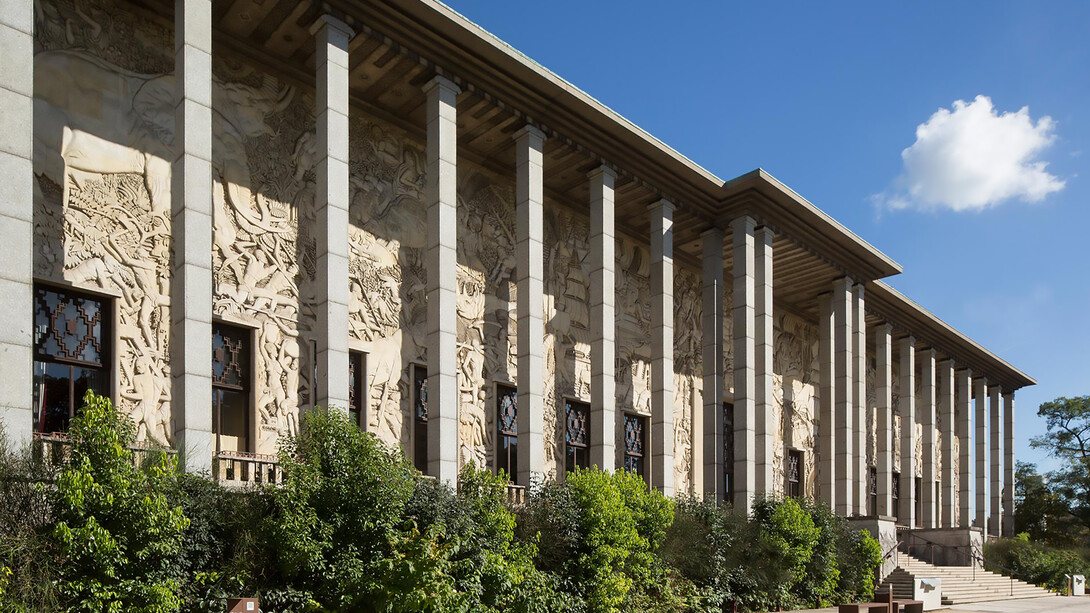
The Palais de la Porte Dorée is an exhibition hall located at 293 Avenue Daumesnil, on the edge of the Bois de Vincennes in the 12th arrondissement of Paris, France


Art Deco: the geometry of prestige

A perspective on the spatial language of society

10 MAY 2026, 

Emerging in the early 20th century, Art Deco was not only a design style but also a spatial reflection of the social and economic transformations of the period. Named after the 1925 Paris International Exhibition of Modern Decorative and Industrial Arts, Art Deco replaced organic forms with geometric order, bold material usage, and symmetrical compositions. The acceleration of industrialization, along with the introduction of modern cultural elements such as cinema and transportation into daily life, fueled the rise of Art Deco in both architecture and interior design.

Maggie’s Centres and the architecture of care


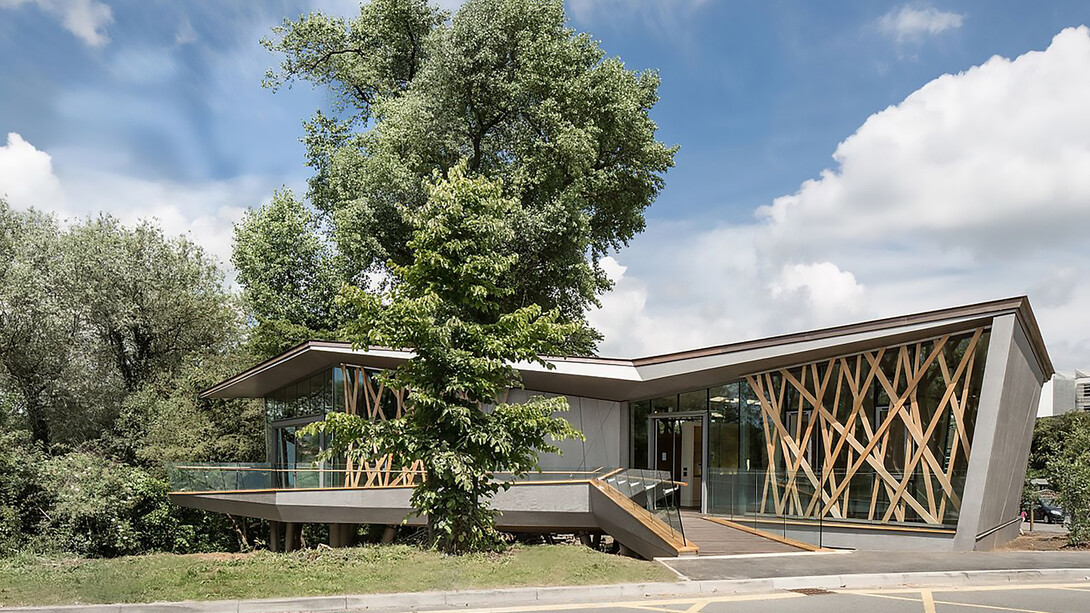
Maggie’s Centre, Oxford, designed by WilkinsonEyre, UK

Maggie’s Centres and the architecture of care

How interior design, healing environments, and evidence-based research reshape cancer support spaces

10 JUNE 2026, 

Maggie’s Centres, operating across the United Kingdom with 26 locations, represent a distinctive support model developed for people living with cancer. Rather than providing medical treatment, these centers focus on addressing the emotional, psychological, and social needs of patients, as well as those of their families and friends. Within this framework, the physical environment is not treated as a neutral backdrop; instead, architecture and interior design become central strategies that actively contribute to care and well-being.

Brutalist university buildings / When monumental architecture feels like a prison


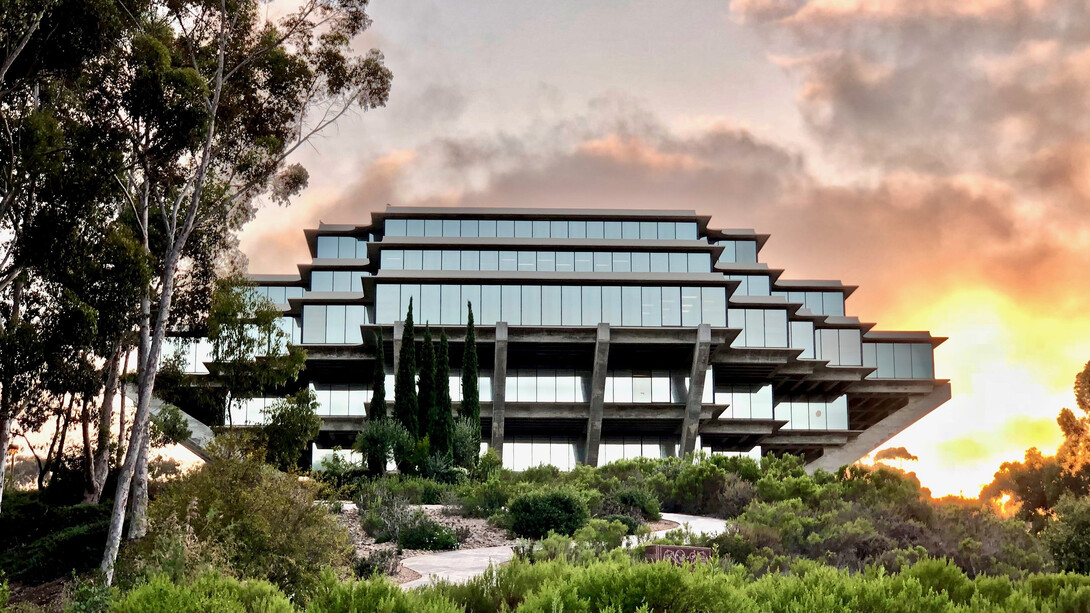
Geisel Library is the main library at the University of California, San Diego. Designed by William Pereira, it opened in 1970 as the Central Library. After a renovation in 1993, it was rededicated as the University Library Building, and in 1995 it was renamed Geisel Library in honor of Audrey and Theodor Seuss Geisel, the latter better known as the children’s author Dr. Seuss

Brutalist university buildings

When monumental architecture feels like a prison

10 JULY 2026, 

University campuses are traditionally imagined as open environments that encourage creativity, intellectual exchange, and social interaction. However, many university buildings constructed during the mid-twentieth century present a very different spatial experience. Massive concrete structures, narrow corridors, and fortress-like facades often dominate these campuses. While these buildings were originally designed to express strength, modernity, and institutional power, many users today perceive them as oppressive or prison-like.

Saturday, November 14, 2026

Louis Vuitton and the architecture of luxury


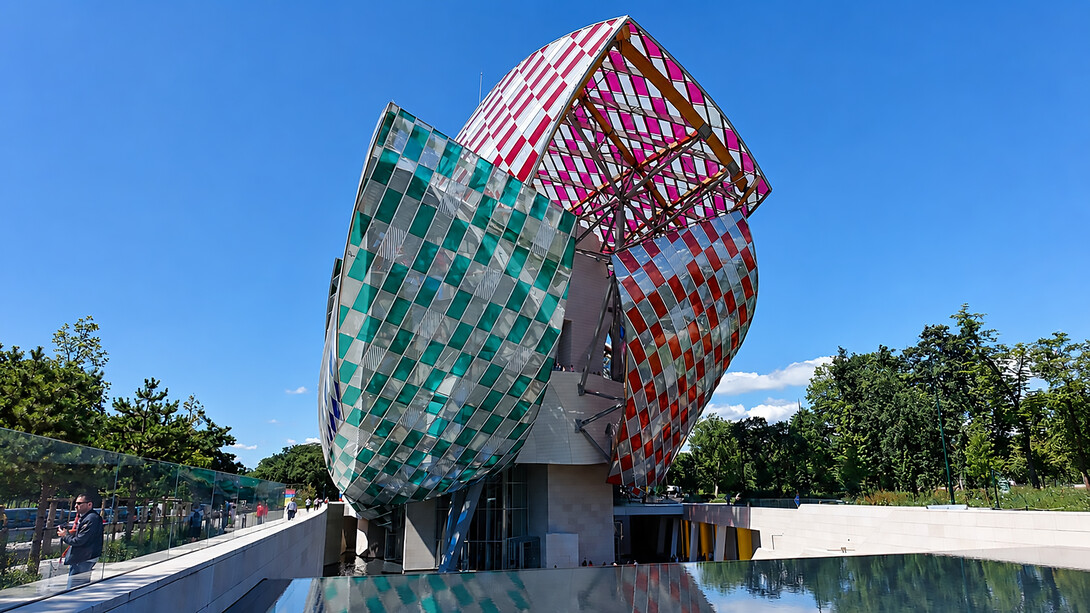
The Louis Vuitton Foundation is a French art museum and cultural center established by LVMH to support and promote contemporary art, culture, and creative expression through exhibitions, events, and educational programs, Paris, France


Louis Vuitton and the architecture of luxury

The fusion of luxury branding, architecture, and urban identity


Melis Canli
10 November 2026


In the contemporary landscape of luxury branding, architecture has evolved far beyond its traditional role as a functional container. For Louis Vuitton, architecture operates as a strategic medium—one that communicates identity, creates spectacle, and transforms urban space into a stage for brand storytelling. Across global cities, Louis Vuitton’s buildings are not merely retail environments; they are immersive, sculptural statements that merge design, marketing, and cultural production.

Sunday, April 26, 2026

The evolution of hospital design / From past to future


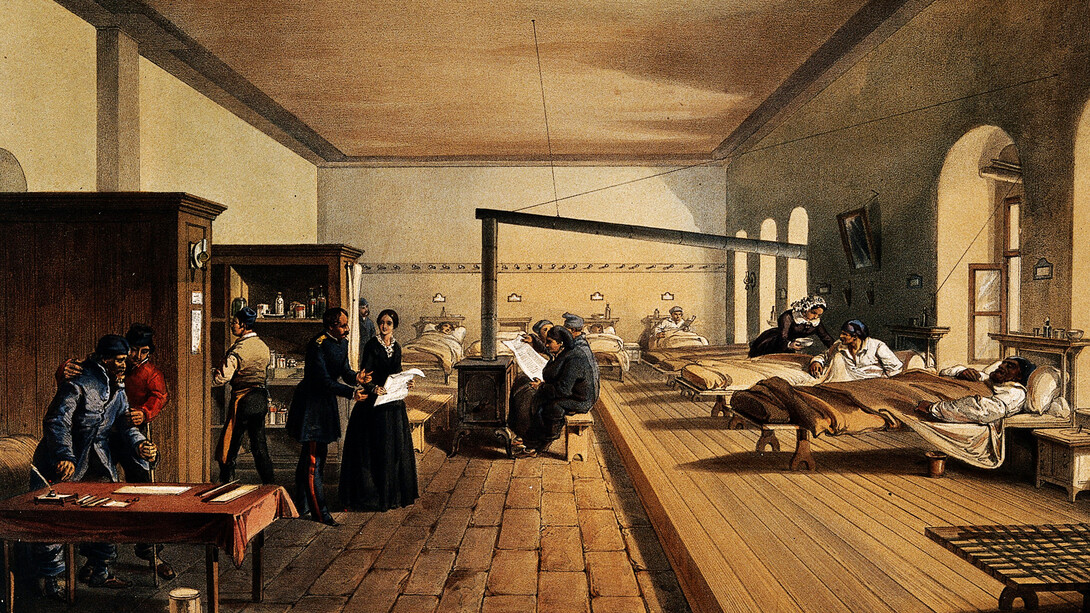
An 1856 lithograph of the Selimiye barracks at Scutari as a hospital during the Crimean War where Florence Nightingale worked, by William Simpson

The evolution of hospital design: from past to future

Tracing the evolution from ancient care facilities to modern healing environments

26 JULY 2025, 

Hospital design has undergone a remarkable transformation over the centuries. Once focused solely on function and efficiency, healthcare architecture now prioritizes patient experience, healing, and community integration. As the healthcare industry adapts to new challenges and innovations, hospitals have shifted from sterile, institutional environments to vibrant, patient-centric facilities. This article explores the evolution of hospital design, highlighting key historical milestones, modern trends, and the role of technology in shaping the hospitals of tomorrow.

Monday, September 22, 2025

Heatherwick Studio’s works of emotion / Soulful design and architecture


Heatherwick Studio, Little Island, 2021, New York © Timothy Schenck

Heatherwick Studio’s works of emotion

Soulful design and architecture

16 MAY 2023, 

We are not making new buildings, but borrowing all the soulfulness from the past.

(Thomas Heatherwick (“The Science Behind our Emotional Connection to Architecture,” a+u No. 629))

Wednesday, July 23, 2025

Marina Spadafora / A totally ethical designer


Marina Spadafora in Vietnam

Marina Spadafora 

A totally ethical designer


29 SEPTEMBER 2015, 

What would you like to tell us about yourself?

I arrived in Milan at the end of 1989, after a decade spent in the United States, mainly in Los Angeles. The feeling Milan gave me was like having a warm blanket over my shoulders, a sense of comfort and familiarity. The English term that best defines this good feeling is "cozy". I had never lived in Milan, I grew up in Bolzano and from there, when I was 18 years old, I left for the United States. So this "returning home" from a megalopolis like Los Angeles, to a decidedly human scale city like Milan, immediately made me feel at ease. In America, I had many important experiences such as college, work, marriage... I lived in the United States from 18 to 30, therefore a significant part of my life. Returning back to Italy gave way to new experiences, both private and professional. I ran my own fashion brand “Marina Spadafora” with an intense activity of design, production, distribution and promotion, with two fashion shows a year during the Fashion Week in Milan. In 2002 we sold the company, and I continued my work as a designer, first with Ferragamo and later with Prada.

Friday, July 18, 2025

Chapter 76 Graphic Design for Textile

Sassanian Textile from 6-8th c. CE
 

Chapter 76

Graphic Design for Textile


"In his Natural History, Pliny states that printing on textiles  was particularly utilized in Egypt. Printed material is only represented by fabrics of the fourth century at the earliest and continues until the Arab period. In those days, there were great textile centers such as Alexandria  Panopolis, Oxyrhynchus, Tinnis and Damietta, but regrettably we know this only from texts, because any trace of weaving shops and their fragile wooden looms has vanished. However, by studying the fabrics themselves, scholars are often able to derive their origins.


Friday, July 11, 2025

Raf Simons, inspired by Richey Edwards, Ian Curtis & Kraftwerk


Raf Simons

Raf Simons, inspired by Richey Edwards, Ian Curtis & Kraftwerk


Raf Simons was born on 12 January 1968 in Neerpelt, Belgium, to an army night watchman (Jacques Simons) and a house cleaner (Alda Beckers).

Raf graduated in Industrial Design and Furniture Design from a college in Genk in 1991. He began working as a furniture designer for various galleries, having previously interned at the design studio of fashion designer Walter Van Beirendock (who was part of the original wave of Belgium designers, theAntwerp Six) between 1991-1993, working on the interior design of the showroom.

Wednesday, July 9, 2025

Chapter 80 B / State Plates Project in the US


A Chronicle of Mobile Artistry and State Plates Project in the US

State Plates Project in the US

The first license plates were issued in the German state of Baden in 1896. Although New York was the first U.S. state to require automobiles have license plates (1901), these plates were made by individual owners (with the owner's initials) rather than state-issued plates. The first state-issued license plates were issued in Massachusetts, beginning in 1903.

Tuesday, July 8, 2025

Chapter 82 / Design and Layout of eBooks in the Smart Reading Devices of Future


Chapter 82

Graphic Design and Layout of eBooks 

in the Smart Reading Devices of Future


In the April 2013 edition of the Scientific American an article by Ferris Jabr entitled "The Reading Brain in the Digital Age: The Science of Paper versus Screens" claimed
How exactly does the technology we use to read change the way we read? How reading on screens differs from reading on paper is relevant not just to the youngest among us, but to just about everyone who reads—to anyone who routinely switches between working long hours in front of a computer at the office and leisurely reading paper magazines and books at home; to people who have embraced e-readers for their convenience and portability, but admit that for some reason they still prefer reading on paper; and to those who have already vowed to forgo tree pulp entirely. As digital texts and technologies become more prevalent, we gain new and more mobile ways of reading—but are we still reading as attentively and thoroughly? How do our brains respond differently to onscreen text than to words on paper? Should we be worried about dividing our attention between pixels and ink or is the validity of such concerns paper-thin?

Chapter 83 / History of modern package design


Chapter 83 

History of modern package design

The role of package design also known as brand packaging is of crucial importance in the marketing of a product. Packaging not only conveys information about the features of the product but also the vision of a brand.


Packaging is also used to manipulate the psychology of the buyer. All the elements of design, i.e., form, color, font, logo, and illustration are used in an increasingly competitive market to attract the attention of customers.

Sunday, July 6, 2025

Chapter 85 / Graphic Design in the Lost Civilization of Etruscan


Chapter 85


Graphic Design in the Lost Civilization of Etruscan 

Due to the fact that their literature was deliberately destroyed in the first centuries A.D., the origin of Etruscans is a mystery. They arrived in the ninth century BC on the west coast of Italy that is now Tuscany. They resembled the Phoenicians, and perhaps they were sailing in small groups by sea from Asia Minor. Like Phoenicians they were traders and sailors and founded towns along the coast.They spoke a language unlike any other known European tongue, one hard to read and surviving mostly as limited tomb inscriptions. Scholars profess to have lost interest in pursuing the search for origins, perhaps because past efforts have brought nothing but confused and contradictory speculation. 

Friday, July 4, 2025

Chapter 87 / Art in Alchemy: Visual Communication of Symbols


Chapter 87


Art in Alchemy: Visual Communication of Symbols

Until the 1980s, alchemists were considered pseudo-scientists, and their efforts to transmute base metals into gold were described as futile. However, at the end of the 20th century, by deciphering the complicated alchemical texts, some researchers came to believe that the alchemists had in fact made a significant contribution to the development of science.

Chapter 86 / A History of German Expressionist Movie Posters and Afterward


Chapter 86


A History of German Expressionist Movie Posters and Afterward.

The liberal atmosphere of the Weimar republic that emerged after the horrors of the first world war gave birth to a powerful German cinema. Expressionists, defying the reality portrayed by the representational art, tried to capture the essence (Das Wesen) of the reality.They argued passionately in the avant-garde periodicals, such as Der Sturm, about the aesthetics and social mission of art in a world that they saw corrupt and shallow to the extreme.

Chapter 88 / Visual Communication in Mysterious and Majestic Bayeux Tapestry


Chapter 88


Visual Communication in Mysterious and Majestic Bayeux Tapestry


The mysterious and majestic Bayeux Tapestry is a  stunning piece of visual communication about a decisive battle in British history. The artists of this incredible piece of graphic design have produced a sophisticated, thought provoking, and subtle propaganda against the horrors of war and their impact on a community and its social fabric. Scores of dead bodies, with their horrifying wounds including decapitation, a burning house and various acts of atrocities constitute  a powerful manifesto against any war.

Wednesday, July 2, 2025

Chapter 89 / A History of Travel Posters


Chapter 89


A History of Travel Posters

Poster art, in addition to being a true art form of its kind, has always been a powerful form of visual communication. Travel posters began at the turn of the 20th century as a vehicle for advertising the tourism industry. Colonial countries such as Great Britain, France and the Netherlands by organizing colonial exhibitions and creating new and exotic landscapes of their colonies, with bright and bold colors and causing a sense of adventure and exploration, prompted the observer to book trips and purchase tickets to their major cities by train, boat, Zeppelin or plane. Later, people wanted to visit these exotic places, and the posters started to advertise the real thing.  During the late 1800s until about 1950, posters, print ads, and brochures were the most common way for travel companies and agencies to reach their customers.