
A traditional mix of authenticity, melancholy, rusticity and modernity, the Portuguese capital has become a mecca for international tourism. But it has paid the price in the form of gentrification and the loss of its essence
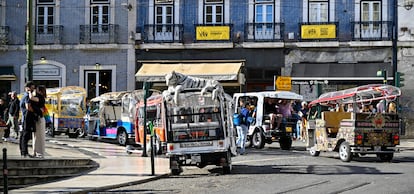
The symbol of Lisbon, romanticism aside, is the tuk-tuk. There are those with tigers on the roof, with plastic floral decoration, painted bubblegum pink, or disguised as a streetcar: any element that helps to stand out among the tide of tricycles ready to show thousands of tourists the five, 10, 15 or 20 things they should not miss in the Portuguese capital. The streetcar dominates on postcards and magnets, but the tuk-tuk has taken over the streets. When the two meet on the steep, narrow streets that climb up to the castle of São Jorge, historic collisions sometimes occur. The streetcars are rigid transports, incapable of deviating a millimeter from their route, while the tuk-tuks go at a brisk pace, often flouting traffic regulations to facilitate a good photograph and giving their passengers that frivolous, holiday-like feeling that they are in a carefree republic where everyone does what he or she wants. And so, without realizing it,Lisbon has joined the club of charismatic cities that now only make visitors happy.

