

20 best film noirs: From The Big Heat to Double Indemnity
PART ONE
Rain-streaked streets, femmes fatales, hard-boiled gumshoes and antiheroes fated to die... Graeme Ross presents his pick of the 20 greatest film noirs of the classic era
20. Kiss Me Deadly (Robert Aldrich, 1955)
The movie that virtually killed off the classic knight errant private eye forever. Aldrich’s version of Mickey Spillane’s Mike Hammer as a rage fuelled amoral misanthrope bulldozing his way through a storyline of Cold War paranoia in the nuclear age barely pauses for breath or releases its brutal hold on the viewer until the literally apocalyptic ending.

19. The Big Heat (Fritz Lang, 1953)
Memorable then as now for the shocking scene when sadistic thug Lee Marvin throws boiling coffee over his moll, Gloria Grahame. Righteous cop Glenn Ford then teams up with the disfigured moll to bring the guilty parties, cops as well as gangsters, to book for the murder of his wife. An essential example of Lang’s relentless and unforgiving auteur style.
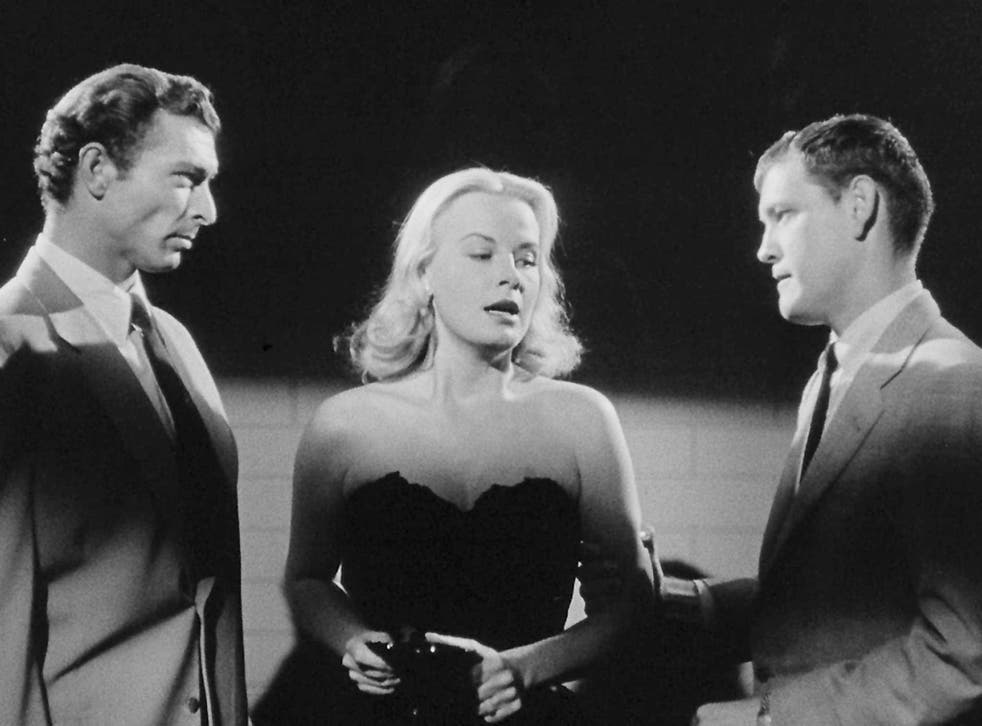
18. The Big Combo (Joseph H Lewis, 1955)
Obsessive cop Cornel Wilde vows to bring down insidious crime lord Richard Conte but finds his judgement flawed by his attraction for the gangster’s mistress. Claustrophobic, shadow filled cinematography, a torture scene involving a hearing aid and some infamously overt sexual imagery have helped make The Big Combo a cult item that flaunted the Hollywood production code.
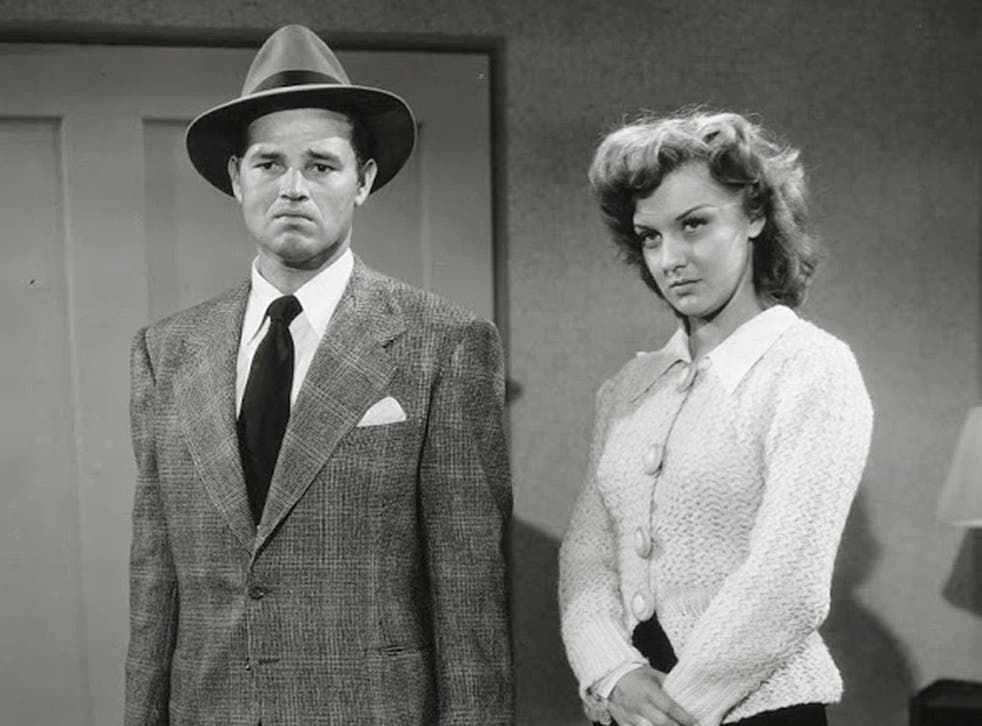
17. Detour (Edgar G Ulmer, 1945)
A bona fide low-budget cult classic this one, and all in less than 68 delirious minutes. Hitchhiker Tom Neal is unable to stop the chain of events that lead to his downfall after being picked up by on the highway by a driver who then ups and dies on him. Neal takes the deceased’s car and identity but is soon rumbled by trampish Ann Savage, who puts the squeeze on the hapless dope. Savage’s demise is a doozy and has to be seen to be believed.
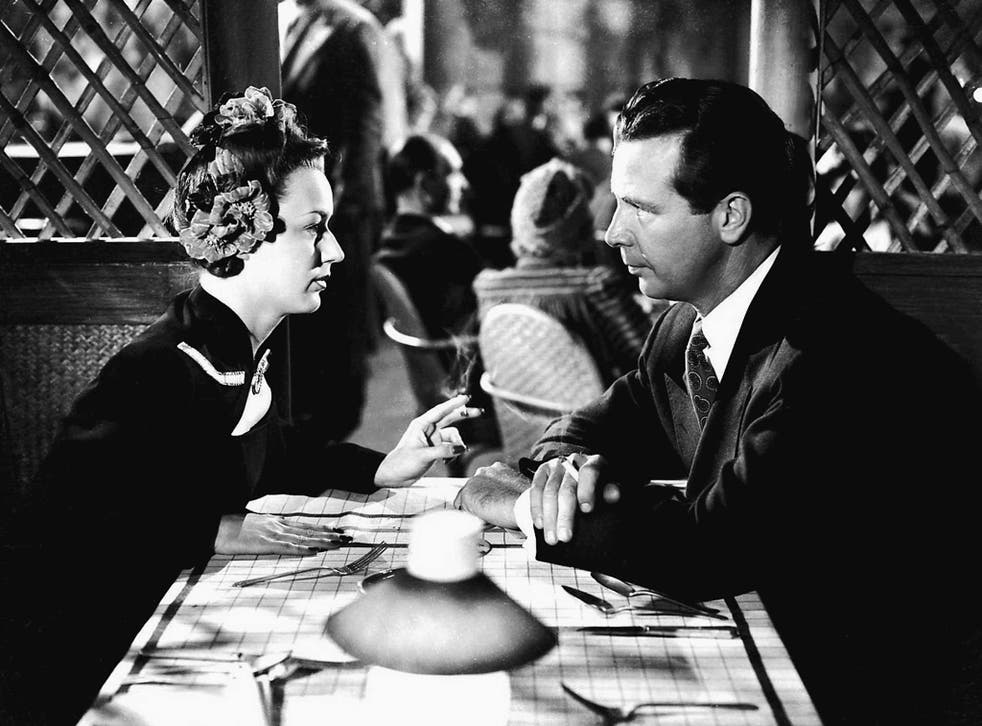
16. Murder My Sweet (Edward Dmytryk, 1944)
Song and dance man Dick Powell as Philip Marlowe forged a whole new tough guy career for himself in this version of Raymond Chandler’s Farewell My Lovely, with Mike Mazurki in the role he was born to play: slow-witted ex-con Moose Malloy. Innovative sets and lighting and the first-person narration established Dymtryk as an early noir pioneer and Chandler himself considered Powell as close to his ideal screen Marlowe.

15. Laura (Otto Preminger, 1944)
Free spirit Laura is found murdered, but it’s a case of mistaken identity. The real Laura (a luminous Gene Tierney) turns up and the detective in charge of the case who is initially entranced by Laura’s portrait and then by Laura herself, must unravel the mystery. Mesmerising, elegant, and wonderfully stylish with a stand out performance from Clifton Webb as the effete, waspish newspaper columnist who types in the bath. And did I mention that unforgettable theme from David Raksin?
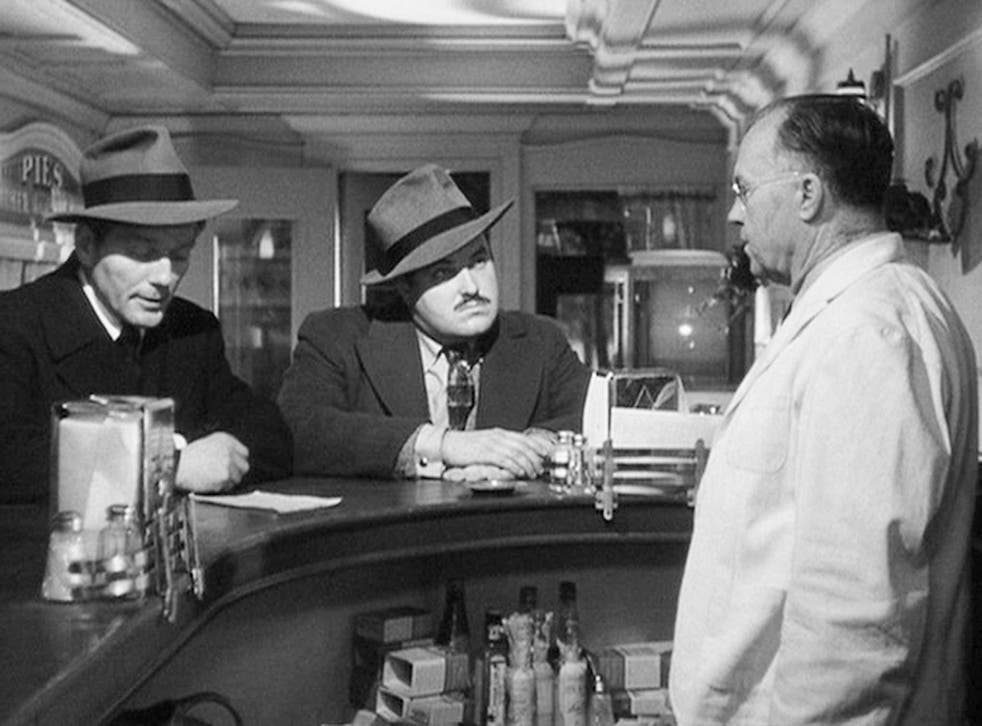
14. The Killers (Robert Siodmak, 1946)
Famous adaption of the Hemingway short story about an insurance investigator piecing together the mystery of why ex-boxer Burt Lancaster (in his movie debut) was murdered by hit men after he “did something wrong once”. In the signature flashback scenes we find out just what. A smouldering Ava Gardner has a lot to do with Lancaster’s demise, but the film is most famous for its opening 10 minutes as two shadowy figures drive through the New Jersey night, terrorise a diner owner and then blast the acquiescent Lancaster to death, all set to Miklos Rozsa’s doom-laden soundtrack.
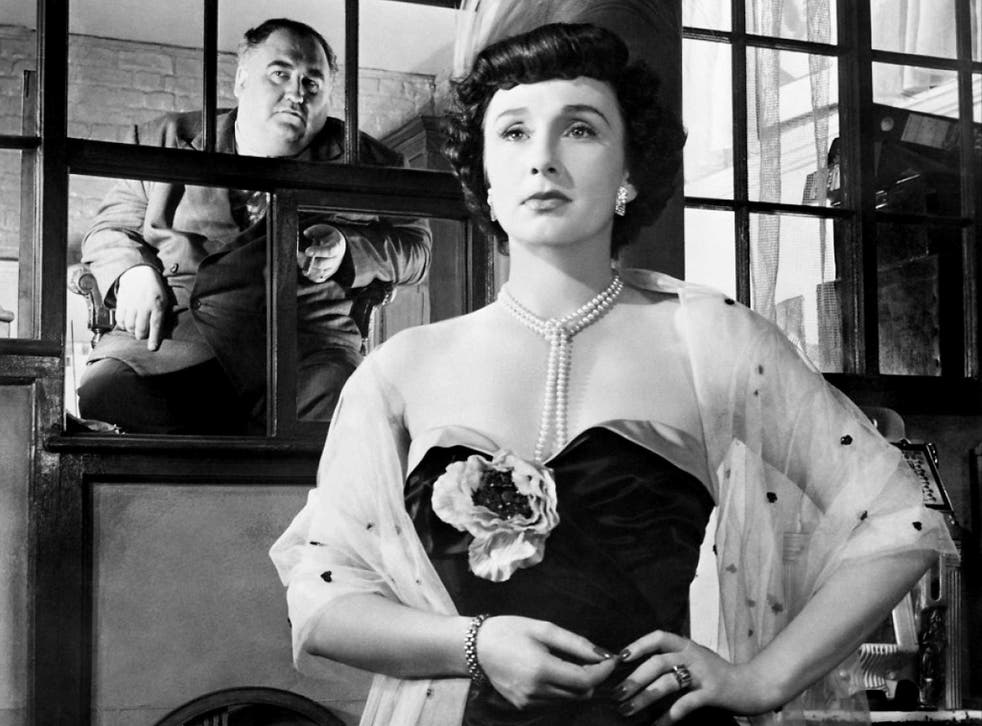
13. Night and the City (Jules Dassin, 1950)
Blacklisted by Hollywood, Dassin relocated to London for this lacerating tale of spiv Harry Fabian (Richard Widmark) who always seems to find himself behind the eight ball despite his grandiose plans. Widmark is sensational as the doomed protagonist always running from someone or something as his life spirals out of control.
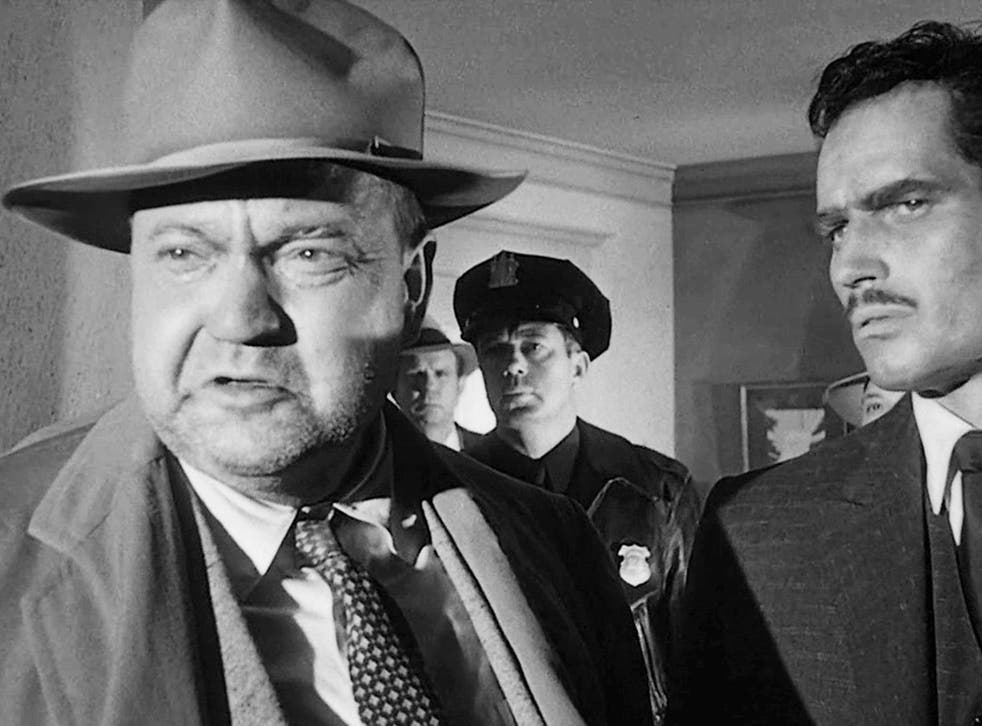
12. Touch of Evil (Orson Welles, 1958)
Welles plays Hank Quinlan, a good cop gone bad who “never framed anybody – unless they were guilty” in this stunning reminder of Welles’s genius. As ever, Welles lost control of the final cut of the movie and wrote an impassioned 58-page memo to the head of Universal Studios but to no avail – until finally in 1998 a restored version close to his original vision appeared. Welles’s last great film is chock-full of overlapping dialogue, unsettling close ups and dizzying camera angles, and is especially memorable for the three-minute opening sequence tracking a bomb-laden car and the eventual explosion. The inevitable demise of the monstrous Quinlan plays like a Shakespearean tragedy.
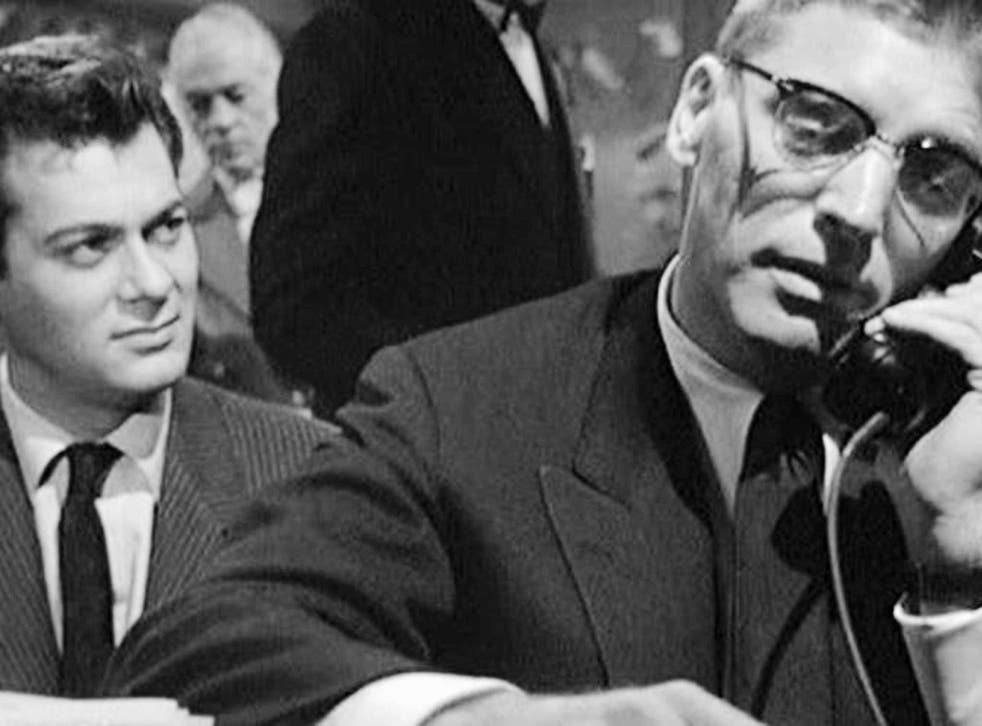
11. Sweet Smell of Success (Alexander Mackendrick, 1957)
Burt Lancaster and Tony Curtis compete compellingly as to who plays the most venal character in this infinitely cynical tale about the machinations of Lancaster’s ruthless newspaper columnist (based on Walter Winchell) and Curtis’s “cookie full of arsenic” press agent. A searing script, outstanding cinematography from James Wong Howe and MacKendrick’s barely concealed distaste for his subject, along with the performances make for a fascinating, lurid take on the traditional noir themes. There are no gangsters, no guns, no one is killed, but Sweet Smell of Success is the blackest of noirs.


No comments:
Post a Comment