

Martin Eden: Jack London’s ”Splendid Dream”
by Sam S. BaskettMay 5, 2019
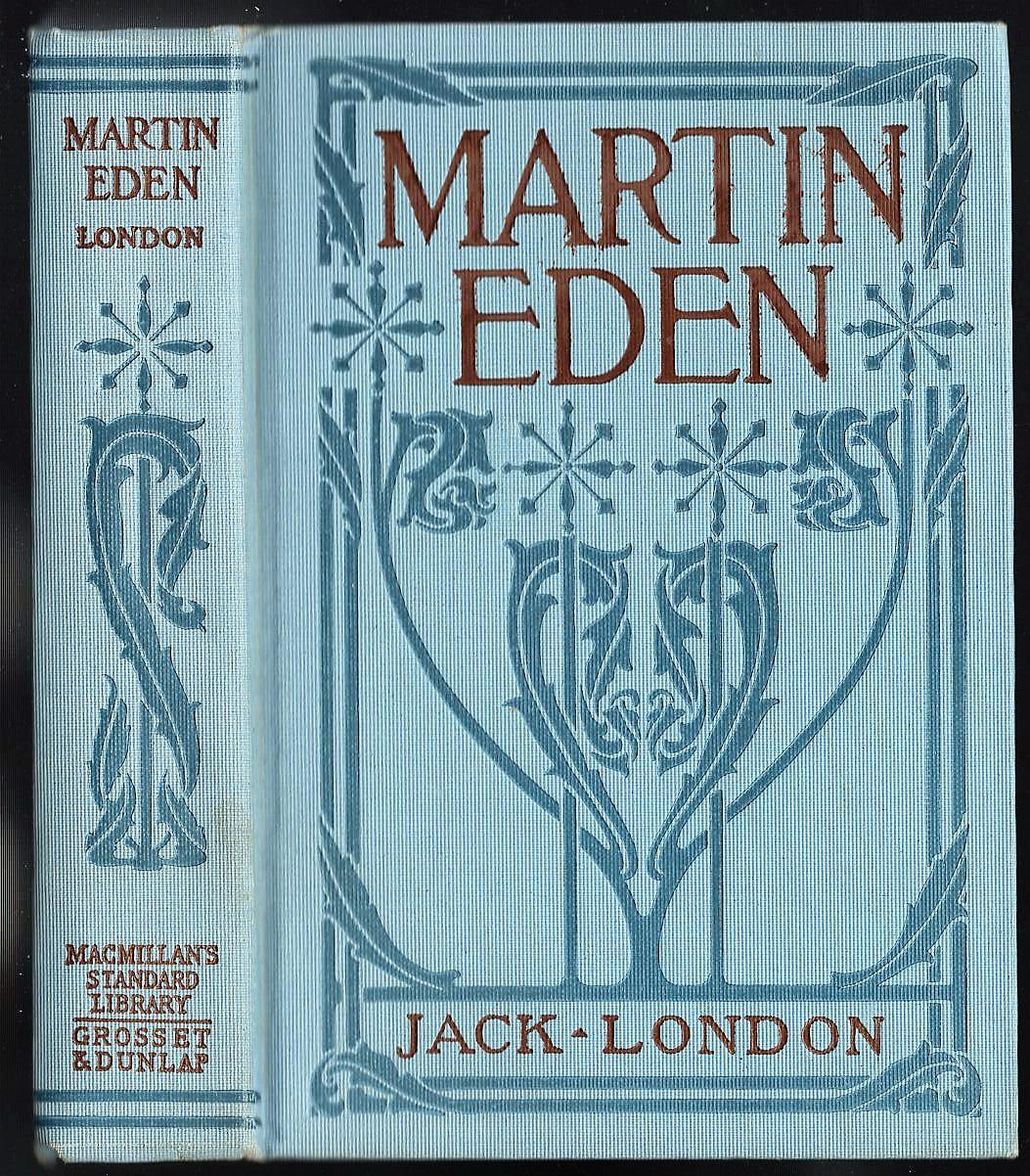
Vividly embodying as it does the tangled strands of Jack London’s personal, cultural, intellectual and artistic experience, Martin Eden remains a readable, affecting work sufficiently complex to invite continued critical attention. The results of this attention, however, have been inconclusive. Some critics, pointing to the novel’s undeniable vitality, rank it as London’s best. Others, citing equally evident weaknesses of structure, expression, characterization and tone, all but dismiss it. Moreover, there are widely varying interpretations of the conclusion. What, indeed, are the implications of the abrupt suicide of the protagonist, the youthful, attractive, intelligent, sensitive, vital, successful — and autobiographical — hero? How does this action relate to the rest of the novel and to the author’s attitude toward the function of the novelist? Or, to put the question more radically, did London in fact really see the novel through, shaping his own raw experience into a coherent artistic expression?


 Martin Eden: Jack London’s Poem Of The Mind