
Sarah Dick
by Pablo Estévez & Javier Belloso
in “Shine Theory”
for Fashion Gone Rogue
Photography: Pablo Estévez & Javier Belloso
Model: Sarah Dicks
Makeup / Hair: Marina Alejandre
Retouching: Daniel Plateado


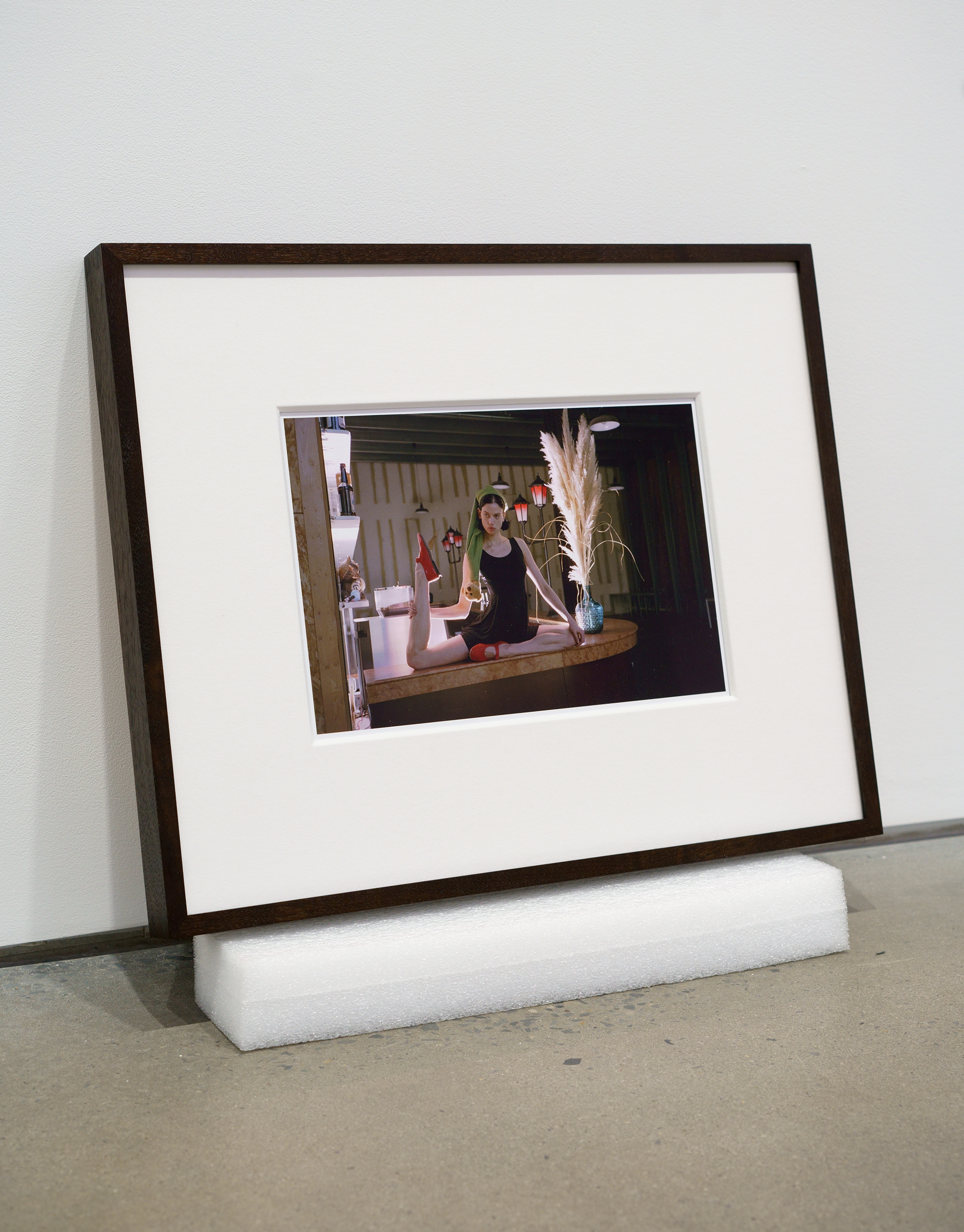
Another Bricolage, 2024-2026. Chromogenic print. 7 7/8 x 12 inches. Courtesy David Kordansky Gallery.
March 17, 2026
For three decades Norwegian artist Torbjørn Rødland has constructed images that at first glance seem controlled: glossy skin, wholesome setups, meticulous lighting. But if you stick with them, reality starts to crack, and an unsettling, uncanny presence emerges. His latest show, Bones in the Canal and Other Photographs, which opened last week at David Kordansky, marks a return to the calculated perversions he’s spent years perfecting, only this time with a much smaller camera, and a different view. As he told his friend and collaborator Lily McMenamy (who also appears in the exhibition), over Zoom, it’s all about composition, Enneagram types, and his inexhaustible inner world.
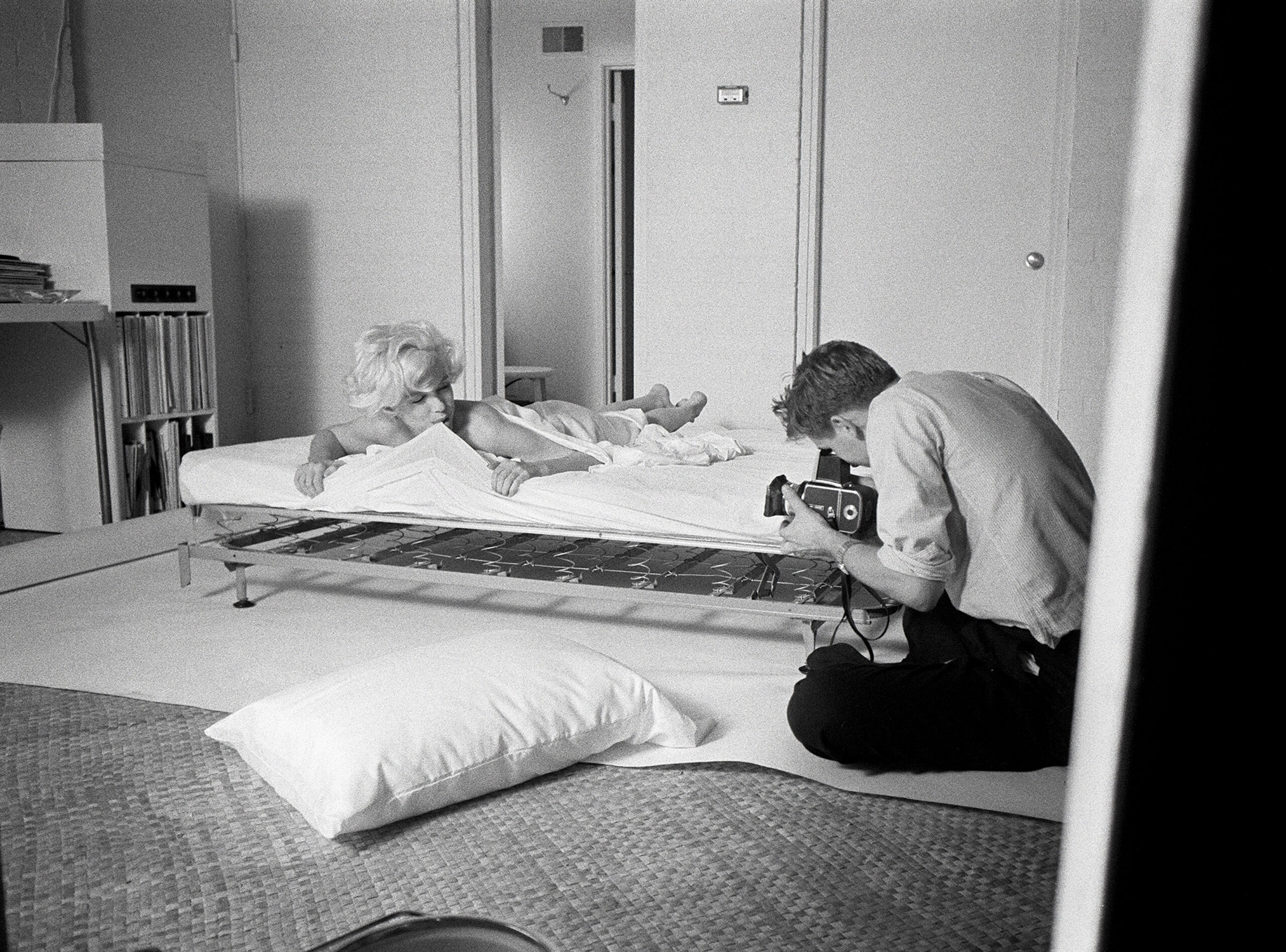
Marilyn Monroe and Douglas, photographed by Douglas Kirkland in Hollywood, 1961
At the pinnacle of photojournalism in the 60s and 70s, Canadian-American photographer Douglas Kirkland somehow made his 2D images multi-dimensional in feeling. Tomorrow, the Morrison Hotel Gallery will present Romance: A Love Letter to The Douglas Kirkland Archive, a curation of limited-edition Kirkland photographs imbued with intimacy, as well as copies of Kirkland’s book, Romance, available with Damiani Books. Hosting the book signing and exhibition is Françoise Kirkland—his wife, collaborator, and enduring muse. Even from the other side of the aperture, she knows how he saw the world was special. “I find it totally irresistible.”
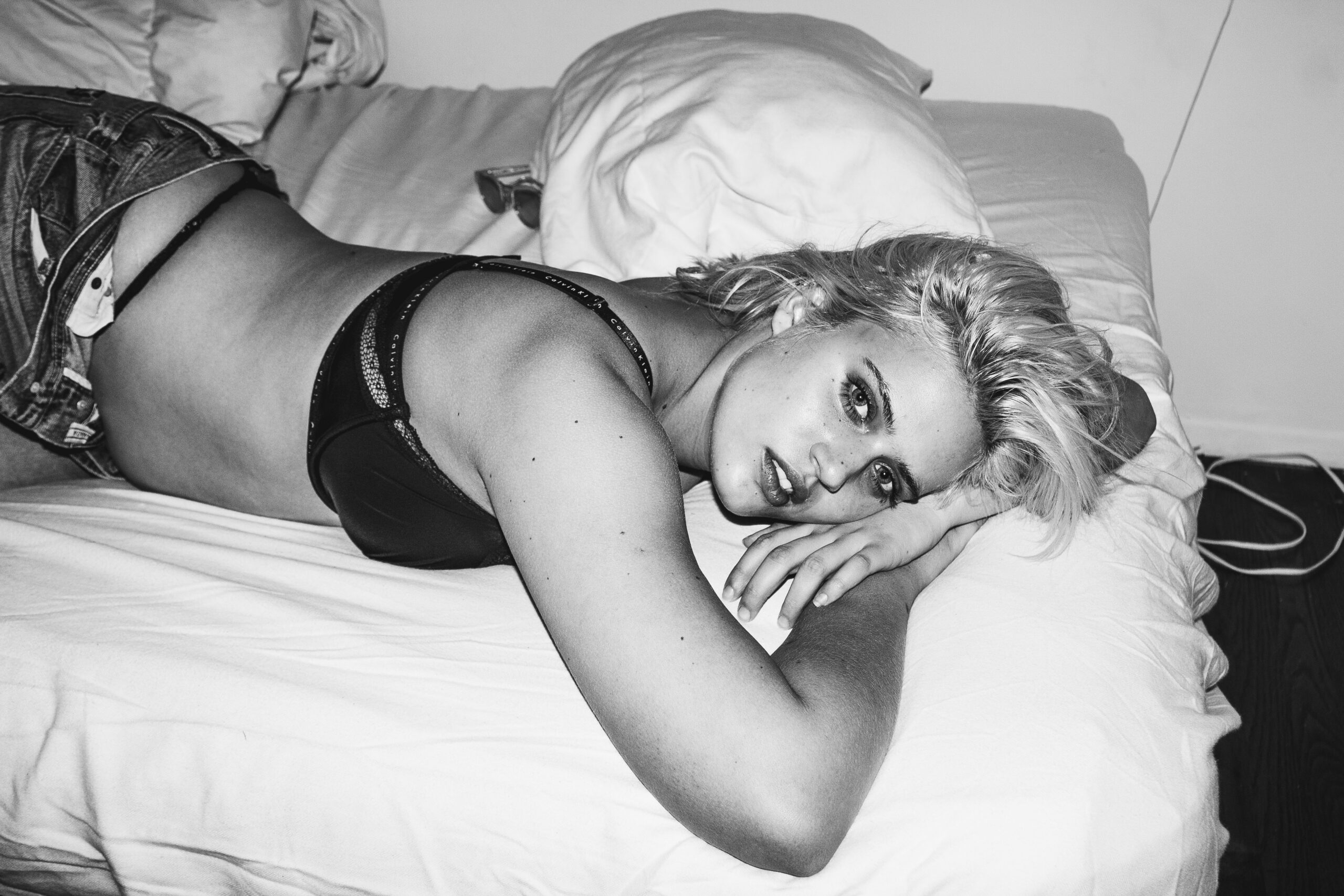
All images courtesy of Tyrell Hampton.
Tyrell Hampton is closing out an era. Over the past decade, the 28-year-old photographer has ricocheted through New York City with a camera in hand, snapping everyone from future superstars to the fabulously anonymous. His new photobook, Last Call, memorializes those years of youthful chaos before he turns the page. To celebrate its release, he caught up with one of his oldest friends, Paloma Elsesser, to reminisce about growing up downtown and why the best nights out usually start with absolutely no plan at all.
TUESDAY 3:30 PM JUNE 23, 2026 NEW YORK CITY
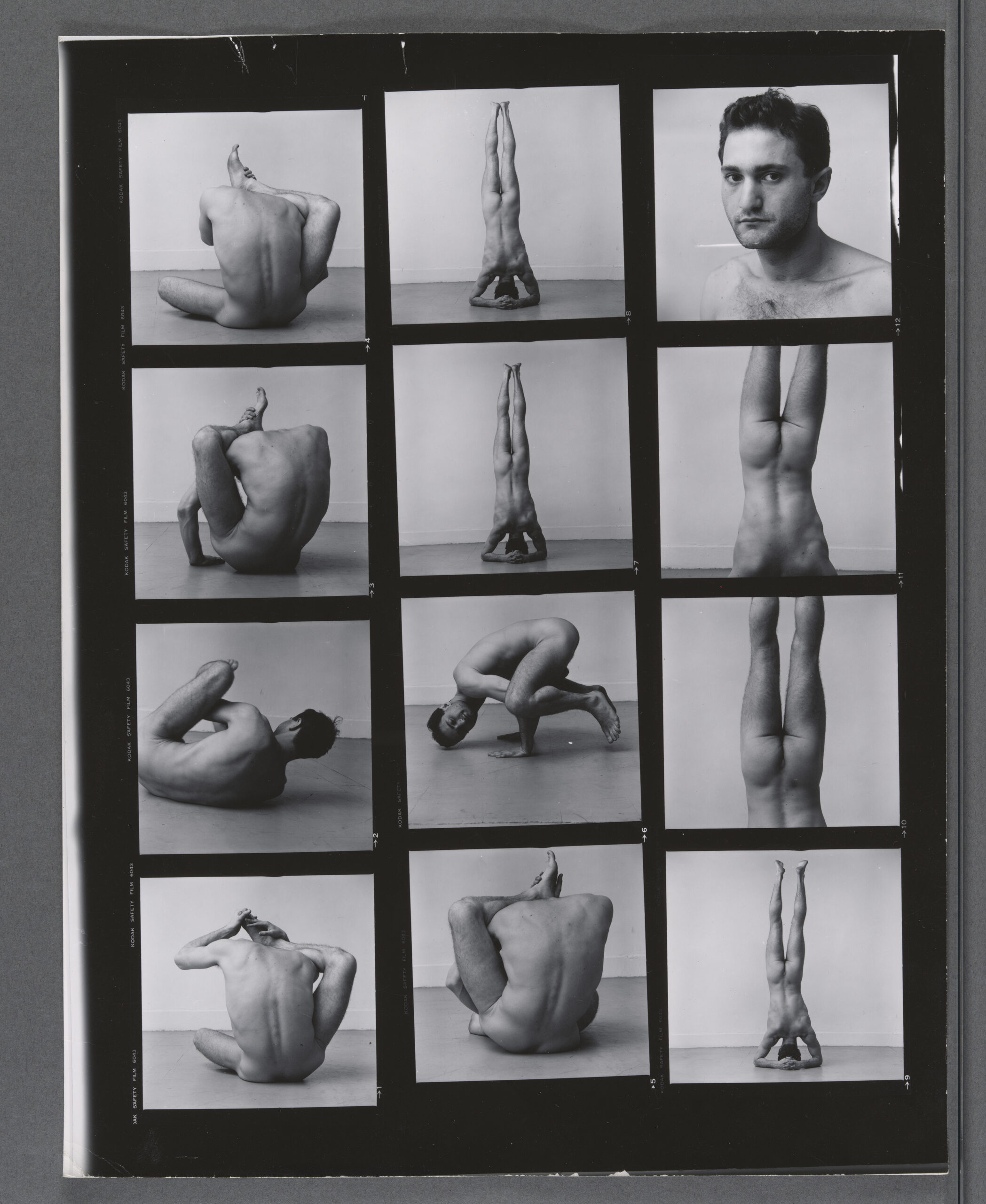
Hujar, Peter, 1934-1987, Contact sheet: Gary Schneider at 189 Nude, 2013.108:8.3611. All photos courtesy of The Morgan Library & Museum.
Peter Hujar kept every contact sheet he ever made, perhaps because he never stopped believing someone would eventually come looking for them. Over the course of his lifetime, he shot Patti Smith, Candy Darling, David Wojnarowicz, and Susan Sontag, becoming a central figure in the cultural life of downtown New York without ever quite becoming famous. He was, as curator Joel Smith puts it, missing “the gene for self-promotion.” Though assured of his own genius, he was largely ignored beyond his homestead in the East Village. This spring, the Morgan Library & Museum makes the case for what Hujar always knew. Hujar: Contact draws from the archive of over 5,783 contact sheets Hujar preserved until his death in 1987. The show also arrives at the moment of a Hujar revival: Ira Sachs‘s biographical film Peter Hujar’s Day introduced him to audiences well beyond the art world, while Andrew Durbin‘s new biography wrestles with his chaotic personal life. The contact sheet was never meant to be artwork but rather a working object, a way for film photographers to see what they’d shot before committing to a full print. But Hujar’s sheets are something else: each one a full roll of film reduced to thumbnail-sized frames, marked up in oil pencil, annotated with the thinking he otherwise left unrecorded. Smith calls them “an intimate history of Hujar’s habits, inspirations, and happy accidents.” More than 110 works are now on view through October 25th, with a selection (including some exclusives) shown below.
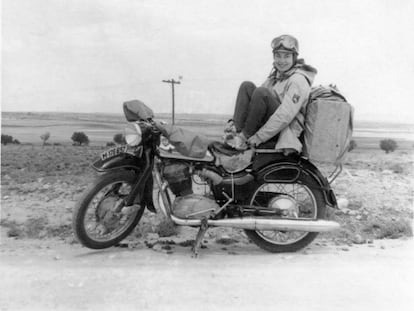
Belita Gracia was one of the many women photographers who seemed condemned to oblivion until Ana Valiño discovered her story. From that fortunate encounter came an exhibition, the first major public recognition the León native received a few days before she died at 101
Virginia Woolf once wrote that “for most of history, Anonymous was a woman.” The work of Belita Gracia remained hidden throughout her life in albums she kept at her home in Barcelona. A few months after turning 101, much of her photography came to light in an exhibition in her hometown.
Japan House, London
This darkly atmospheric exhibition pairs the revolutionary Hiroshima images of revered photographer Kikuji with Ai’s glittering but deeply melancholy visions of cherry blossom

Peter Hujar captured a queer Manhattan demi-monde that is now lost to Aids. Whishaw reveals what he learned playing the photographer in a minimalist film being hailed by some as a masterpiece
Alex Needham
Tuesday 16 December 2025
On 19 December 1974, the photographer Peter Hujar went round to his writer friend Linda Rosenkrantz’s apartment in New York, where she asked him to describe exactly what he had done the day before. He talked in great detail about taking Allen Ginsberg’s portrait for the New York Times (it didn’t go well – Ginsberg was too performative for the kind of intimacy Hujar craved). He also described the Chinese takeaway he ate and how his pal Vince Aletti came round to have a shower. And he fretted about not being paid by Elle magazine.
 |
| Bird of México City Photo by Pierre Henket |
‘In Mexico, which has a strong macho culture, the lucha libre wrestling mask is a symbol of masculinity. Ixchel was taking that back’
Itook this picture, called La Mujer [The Woman], on the very first day of a project called Birds of Mexico City. I remember thinking, in that moment, that this is one of those rare pictures where you know immediately something special is happening.
 |
| Photograph: Robby Ogilvie, UK winner, Open Competition, Object, Sony World Photography Awards 2026 |
A Ford Cortina the colour of the sky against brightly coloured houses in Cape Town was a gift to the Scottish photographer
Grace Holliday
Saturday 14 March 2026
Edinburgh native Robby Ogilvie was visiting South Africa when he took this image. “I’d spent the first week in and around Kruger national park, photographing the culture, landscapes and wildlife, before moving on to Cape Town.”
 |
| Jeffrey Epstein Photograph: Christopher Anderson A new book collects the acclaimed photojournalist’s images of everything from conflict zones to Donald Trump’s inner circle. He describes how his pursuit of truth even led to an unsettling encounter with the disgraced financier |
It didn’t come as a great shock to Christopher Anderson to find out that his name was in the Epstein files. In 2015, he was assigned by New York magazine to photograph the American financier for a planned profile interview by the American journalist Michael Wolff.
 |
| The Twelve Most Photographed Models NY 1947 |
 |
| Lisa Fonssagrives wearing a bicorne skimmer by Lilly Daché Vogue, February 15, 1950 |
 |
| Freckles |


