
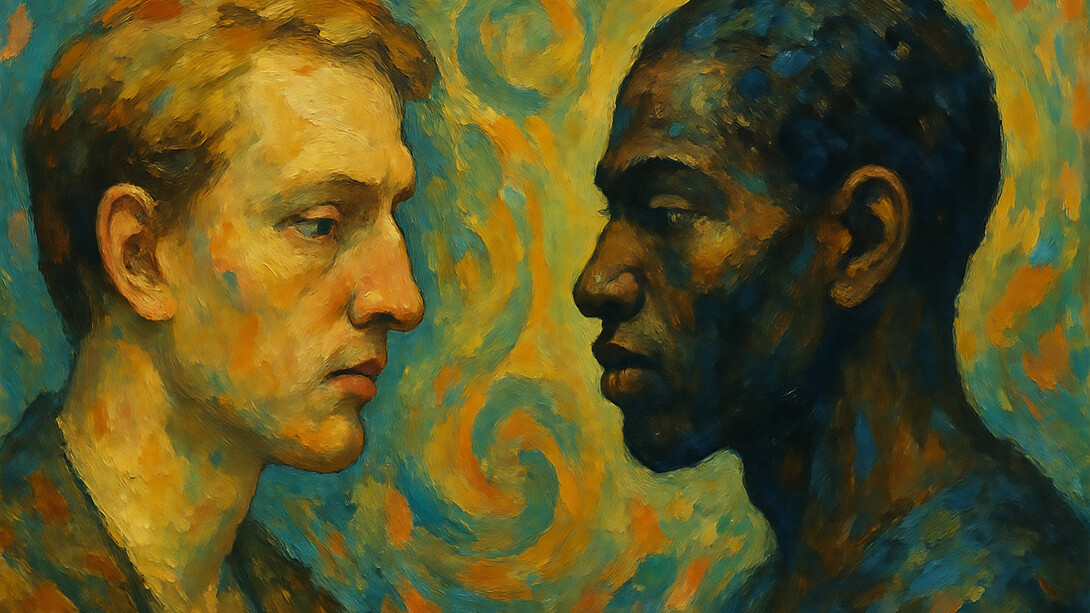
Toward a vision of positive solidarity
Drawing distinctions without enemies
This text addresses the possibility of achieving social solidarity without relying on exclusionary distinctions. Traditionally, many sociological theories have argued that to develop a sense of belonging or participate in processes of meaning-making, individuals and groups often define themselves in contrast to others. In other words, inclusion frequently presupposes exclusion. For instance, in his theory of interaction rituals, Randall Collins identifies several key ingredients necessary to generate collective emotional energy: physical co-presence, a shared focus of attention, a common emotional mood, and crucially, barriers to outsiders—those who are not part of the ritual. The outcome of such rituals includes feelings of social solidarity, the generation of emotional energy, and the creation of collective symbols and meanings.

