Showing posts with label Idil Burkutoglu. Show all posts

Friday, May 22, 2026

Erdal İnci and the Kariye / Preserving a Byzantine legacy


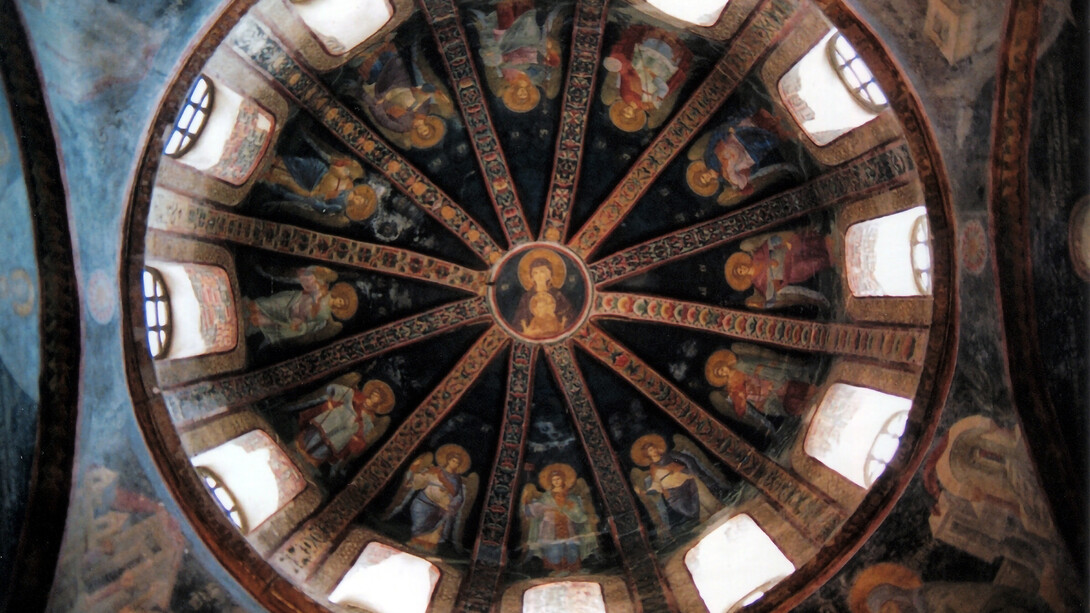
The southern dome of the inner narthex of the Chora Church in Istanbul, Turkey, features stunning Byzantine mosaics depicting Christ, Istanbul, Turkey

Erdal İnci and the Kariye: preserving a Byzantine legacy

A contemporary artist's perspective on the historical layers of the Chora

13 APRIL 2025, 

The Kariye Church, the main surviving church of the Khora Monastery, dates back to the sixth century and is one of the most important monuments of Byzantine art due to its magnificent mosaics and frescoes. It is part of the UNESCO World Heritage Sites of the Historic Areas of Istanbul. The name "Khora" possibly refers to the area's rural nature, as "Khora" means "country" or "outskirts." In the Ottoman period, it was known as Kariye, which could relate to the word "karye," meaning "village." Some of the representations of the Virgin Mary and Christ inside the church carry the "Khora" attribute, suggesting possible mystical meanings beyond the word’s literal meaning.

Sacred bones / The macabre beauty of San Bernardino alle Ossa


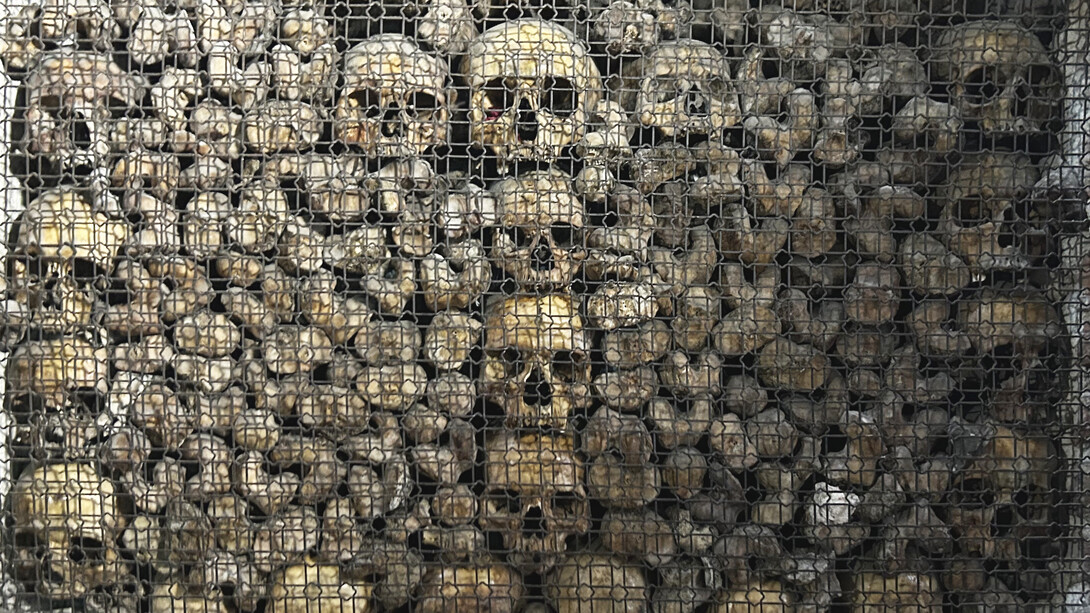
Embedded skull and bones details, Ossuary Chapel, Church of San Bernardino alle Ossa, Milan, Italy


Sacred bones: the macabre beauty of San Bernardino alle Ossa

Milan’s haunting chapel of bones and the deep reflection on mortality

13 MARCH 2025, 


Nestled in the heart of Milan, Italy, the Santuario di San Bernardino alle Ossa is a striking testament to both the macabre and artistic ingenuity. The origins of both the ossuary and the Church of St. Bernardino date back to the 13th century. In 1145, a hospital was built near the basilica of St. Stefano at what is now Via Brolo. A cemetery was created in front of the basilica to bury those who died in the hospital, but after a few years, the available space became insufficient. 

Ai Weiwei / In search of humanity


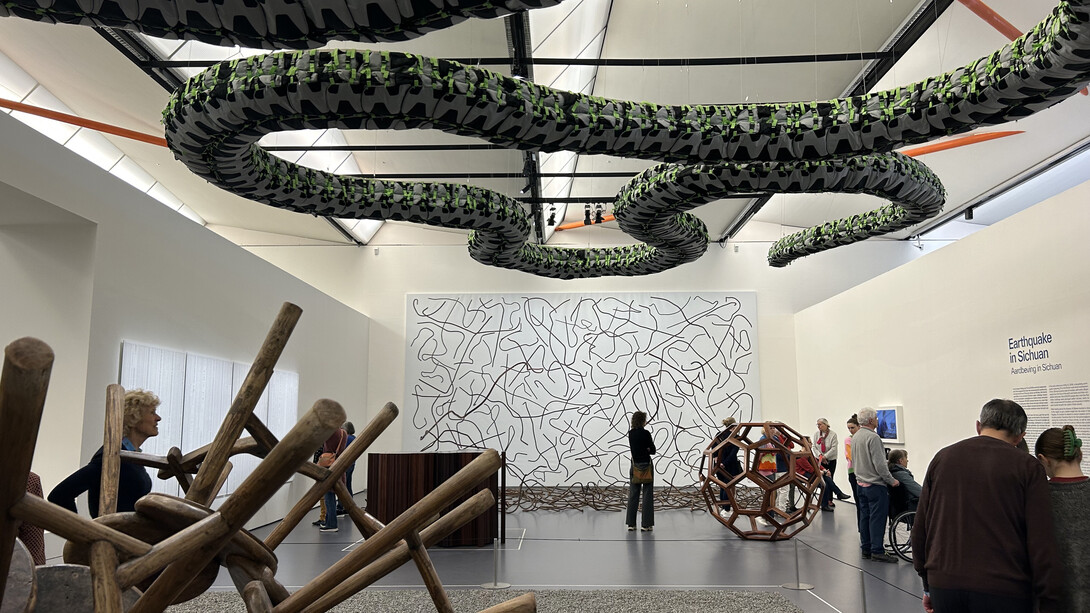
Ai Weiwei, In search of humanity, exhibition view (detail). Courtesy of Kunsthal Rotterdam

The power of intersection

30 Sep 2023 — 3 Mar 2024 at the Kunsthal Rotterdam in Rotterdam, Netherlands

Typically, when the term "intersection" is mentioned, people often think of it as a point — a singular moment where two or more objects meet or cross. This could be a place where two lines intersect, or where a car reaches an intersection in the road. It’s easy to imagine it as a specific, single event, a point of interaction or connection. However, the concept of "intersection" can be much broader, especially in three-dimensional space. While the intersection of two lines will always be a point, when it comes to planes, the intersection becomes more complex. For instance, when two flat planes (such as a wall and a floor) meet, they don't just meet at a point; they create a line of intersection. This is where the planes continuously meet, forming a line that extends across the planes, rather than being confined to a single spot.

Monday, May 18, 2026

Blending past and present / Çubuklu Silos' Digital Art Museum


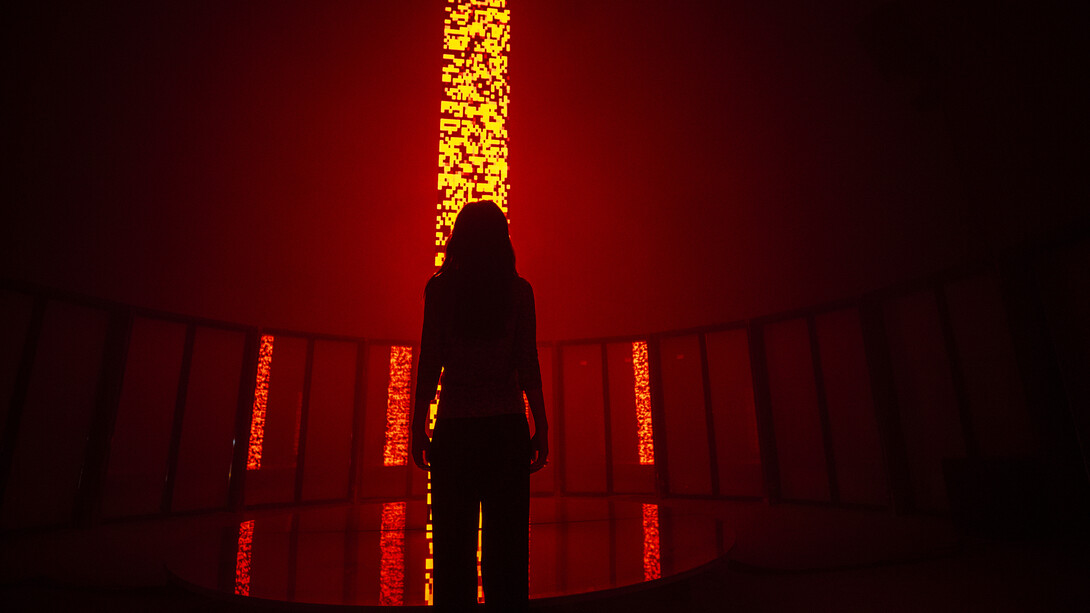
Çubuklu Silos l Digital Art Museum, photo: İBB Library

Blending past and present: Çubuklu Silos' Digital Art Museum

Preserving heritage through contemporary repurposing and creating relevance against neglect

13 FEBRUARY 2025, 

Contemporary interventions to historical sites offer a vibrant approach to preserving and enhancing cultural heritage. These initiatives blend modern design and technology with historic architecture to create spaces that are both practical and respectful of their historical roots. Incorporating elements like new materials, creative lighting, and interactive features revitalizes landmarks that might otherwise be overlooked, making them more engaging and relevant today. When executed with care, these updates connect the past with the present, providing new perspectives on historical sites and deepening our appreciation of cultural heritage.

Onur Mansız’s exploration of identity and existence


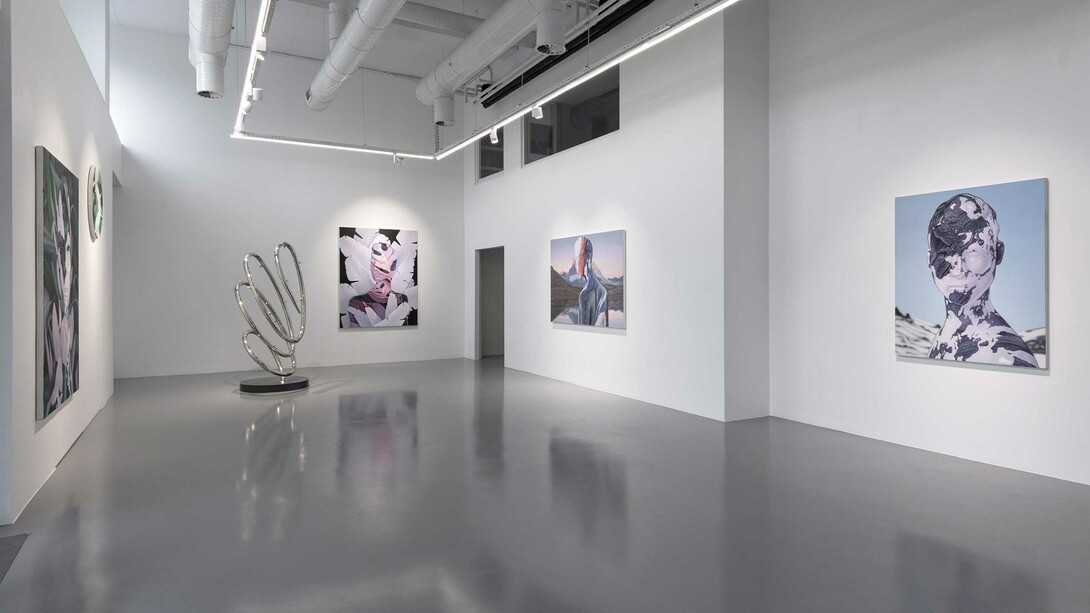
Onur Mansız's solo exhibition "era" in Art On Istanbul, 2023, photo credit: Kayhan Kaygusuz

Onur Mansız’s exploration of identity and existence

A conversation with the Turkish artist about his hyperrealistic works and their role in questioning existence and subjectivity

13 JANUARY 2025, 

Onur Mansız is a Turkish artist who situates the human body at the core of his artistic inquiry, using it as a lens through which to explore themes of identity, existence, and subjectivity. His hyperrealistic oil paintings present the body in an ambiguous state—neither fully clothed nor entirely naked—through the superimposition of imagery that transforms the physical form into a site for the exploration of deeper philosophical and existential questions. The deliberate isolation of these figures against monochromatic backgrounds serves to detach them from specific contexts, thereby emphasizing their role in confronting universal issues of self-realization and identity. Through this conversation, we seek to gain insight into his creative process and the intellectual and existential dimensions that underpin his art.

Basilica Cistern Museum / Reviving Istanbul's ancient marvel


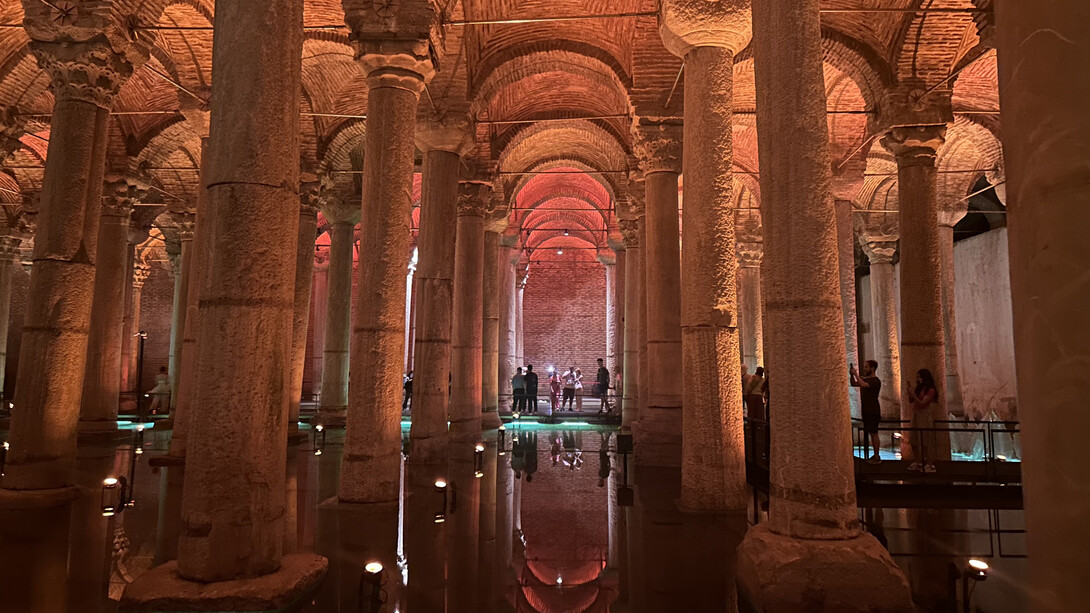
Interior, Basilica Cistern, Istanbul, Turkey

Basilica Cistern Museum: reviving Istanbul's ancient marvel

Advanced lighting design and renovation transforms the Basilica Cistern’s ambiance and highlights its architectural heritage

13 DECEMBER 2024, 

The Basilica Cistern Museum is a significant cultural landmark in Istanbul, built by Emperor Justinian I in the 6th century. It is the largest enclosed cistern in the city, covering 10,000 square meters and capable of holding 80,000 tons of water. Historically, the cistern supplied water to the Great Palace and nearby structures. It features 336 columns, most of which are marble, and was originally waterproofed with thick Khorasan mortar. After the Ottoman conquest in 1453, it served various purposes, including supplying water to the Topkapı Palace and later becoming a part of the local community. Rediscovered in the mid-16th century by French naturalist Petrus Gyllius, the cistern has been the subject of significant restorations, including the uncovering of Medusa head columns during a major renovation in the 1980s. These columns are notable examples of Roman sculpture and are linked to Greek mythology.

Friday, May 15, 2026

A conversation with Haluk Terzioğlu


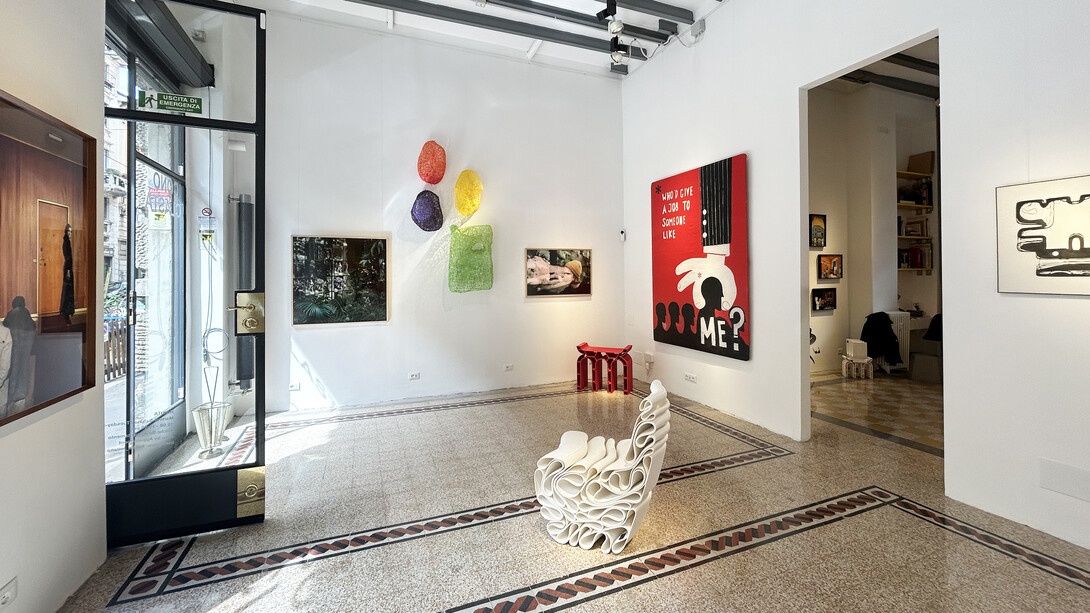
Spazio HASITA gallery, incubator, nest in Milano dedicated to art, design, innovation, ideas, Milan, Italy, photo by İdil Burkutoğlu

A conversation with Haluk Terzioğlu

Exploring the fusion of tradition and innovation in Milan's cultural landscape and beyond

13 OCTOBER 2024, 

I had the opportunity to meet with Haluk Terzioğlu, one of the founders of Spazio Hasita alongside Simone Innocenti, which is situated in Milan's NOLO district. The gallery, which combines modernism and tradition, is an example of the city's cultural development, which has been established since June 2023. Since then, Spazio Hasita has hosted artists such as Chiara Colombo, Sefa Çatuk, Francesco Damiani, Angelo Marcuccio, Alan Maglio, and Alessandro Pongan. Set in a meticulously renovated location, its direction mixes contemporary innovative thinking with Milan's artistic, creative, industrial, and cultural legacy. After discussing his unique approach to gallery administration and vision, Haluk Terzioğlu was open to sharing his story and what lies ahead for Spazio Hasita.

Müze Gazhane / Hasanpaşa Gashouse transformation


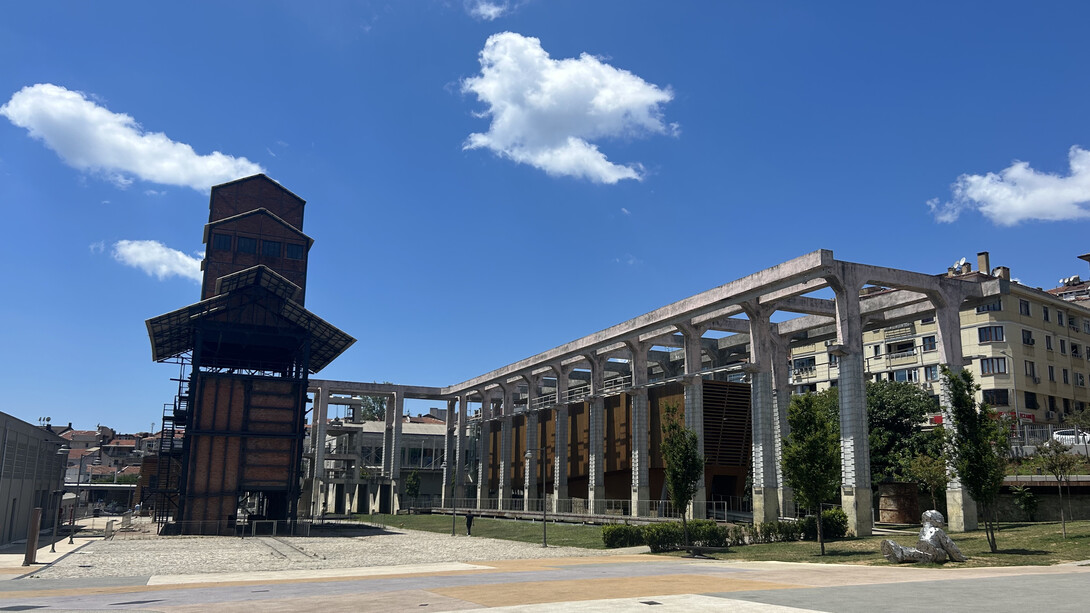
Gazhane Meydan, Müze Gazhane, Istanbul, Turkey


Müze Gazhane: Hasanpaşa Gashouse transformation

Transforming Istanbul’s Ottoman industrial heritage into a contemporary cultural hub for all ages

13 NOVEMBER 2024, 

In the 1850s, gas consumption started to become a part of Istanbul’s daily life. Kadıköy Hasanpaşa Gashouse was the second plant built on the Anatolian side in 1891 and the last in Istanbul. The gas obtained from this plant was used for street and indoor lighting for the Anatolian part of Istanbul. It started operation in 1892 and operated regularly until World War 1. In the 1920s, with the arrival of electricity, coal gas began to lose importance. Between 1938 and 1944, Kadıköy Hasanpaşa Gashouse operated autonomously and later handed to IETT (Istanbul Electric Tramway and Tunnel Establishments) in 1945. 

The monumental cemetery of Milan / A graveyard museum


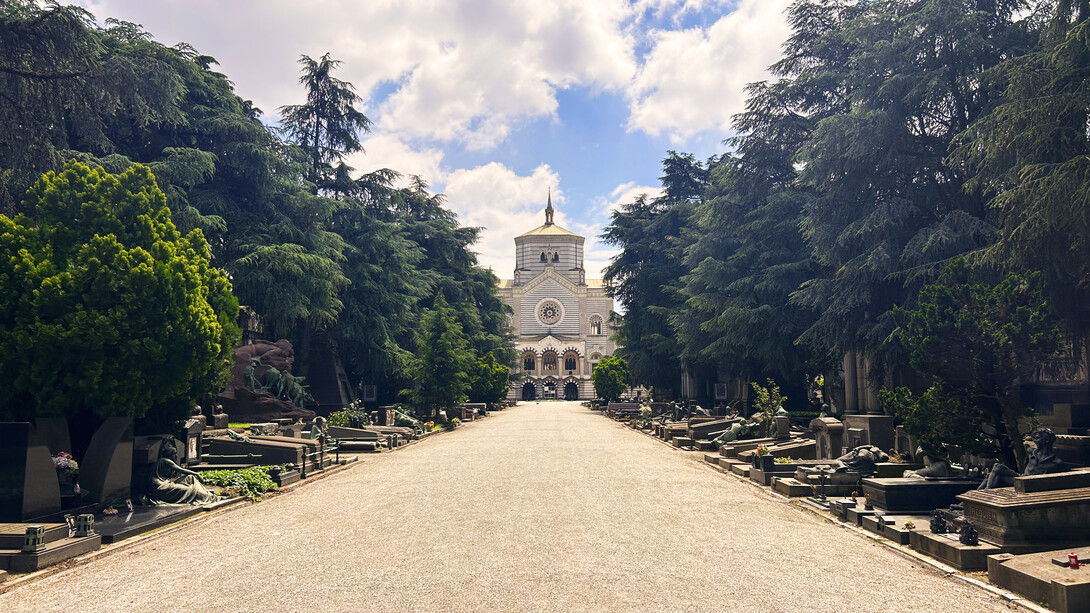
The Monumental Cemetery of Milan, situated in the Garibaldi district of Italy, is a renowned cultural heritage site in Europe


The monumental cemetery of Milan: a graveyard museum

An open-air museum standing in between life and death, art and architecture

13 SEPTEMBER 2024, 


The Monumental Cemetery of Milan (Cimitero Monumentale di Milano), located in the Garibaldi district of Milan, Italy, is one of the most important cultural heritage sites in Europe. Filled with rich architectural monuments and sculptures, the cemetery is the resting and remembering place of many famous people in Italian history, such as; Bruno Munari, Salvatore Quasimodo, Alessandro Manzoni, Carlo Cattaneo, Luca Beltrami, etc. The cemetery was designed by Carlo Maciachini (1818–1899), who won the design competition held by the municipality of Milan in 1863. Even though it was not completed until 1887, the burials began in 1866, and the cemetery continued extending to 250,000 m2.

Thursday, May 14, 2026

Refik Anadol’s AI / Contemporary art & architecture


Refik Anadol: internationally acclaimed media artist and pioneer in machine intelligence aesthetics (born 1985, Istanbul, Turkey)

Refik Anadol’s AI: contemporary art & architecture

“Living Paintings: Nature” at Kunsthal Rotterdam: art engagement with presentation of information

13 JUNE 2024, 

Refik Anadol was among the first artists to reach a large audience through artistic expression using artificial intelligence. He is a Turkish-American media artist and researcher focused on humans living in the digital age. His LA-based studio has been active for almost a decade and explores machine intelligence and the communication of data. His approach is to analyze surroundings as raw data and process them through custom-designed algorithms to create mesmerizing visuals and AI data sculptures of already-present elements that exist.

Unveiling Goya's rebellion


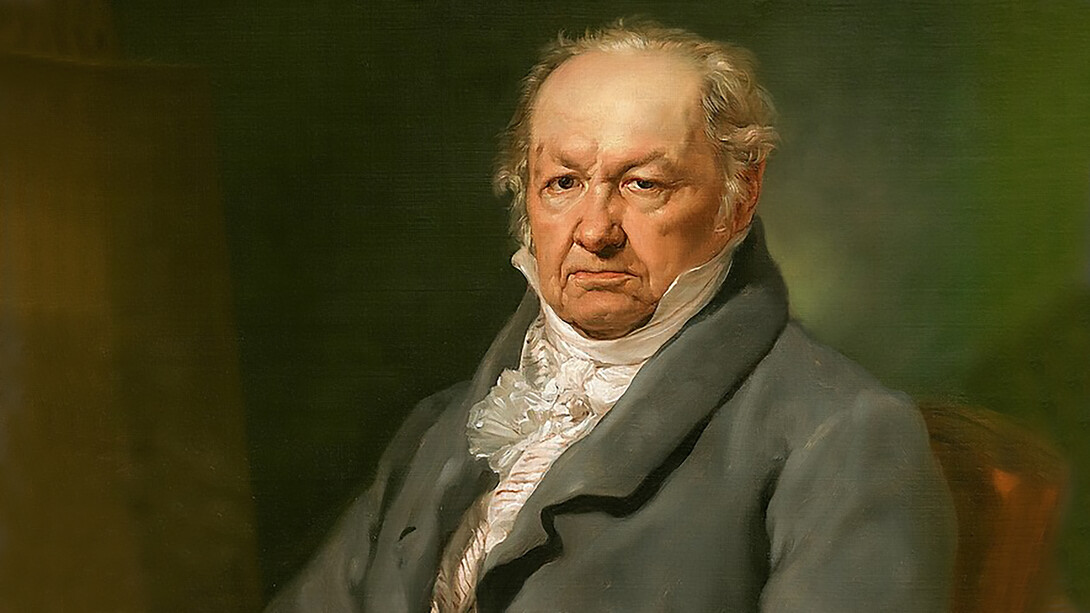
Francisco José de Goya y Lucientes, known as Goya (1746–1828), is one of the most important Spanish artists


Unveiling Goya's rebellion

Examining the impact of sociopolitical events on Goya's development through exhibition design

13 JULY 2024, 

Francisco José de Goya y Lucientes, known as Goya (1746–1828), is one of the most important Spanish artists who influenced many others that came after him in the 18th and 19th centuries. He lived in a period of great change, such as the Enlightenment, the French Revolution, and Napoleon’s invasions of Spain. Being greatly influenced by the Enlightenment, he developed an expressive language on his own by rejecting the acceptable aesthetics of his time and limitations such as being under patronage. His “free” and extensive artistic production captured aspects of everyday life, the effects of war, and Spain’s political, social, and economic issues. Throughout his artistic development, Goya’s early inclination was in-between rococo and classicism while being influenced by Italian masters. After maturing, his works transformed in such a way that Goya is considered the predecessor of the Romantic movement.

Bellini's lamentation / A multi-layered art experience


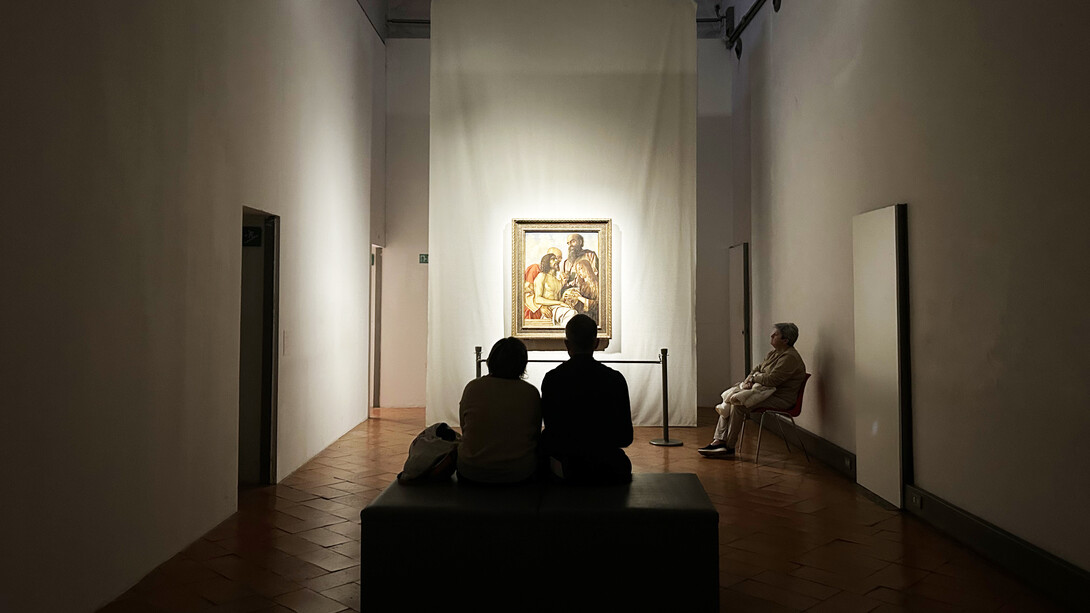
Giovanni Bellini, Pesaro Altarpiece

Bellini's lamentation: a multi-layered art experience

Exploring the impact and relevance of Bellini's masterpiece through innovative exhibition design

13 AUGUST 2024, 

Giovanni Bellini (1438–1516) was a renowned 15th-century Venetian painter and was recognized for his harmonious use of color. His paintings featured diverse Renaissance and late Gothic styles. The masterpiece Lamentation over the Dead Christ(1475) is one of the finest works of Italian art, and it demonstrated Bellini's maturity. The work portrays the anointing of Christ’s body before his entombment. The four figures—Christ, Joseph of Arimathea, Nicodemus, and the Magdalene—are depicted.