Showing posts with label Books of the year / 2023. Show all posts

Thursday, December 4, 2025

Five of the best translated novels of 2023


Review

Five of the best translated novels of 2023

This article is more than 1 year old

Javier Marías’s final book, a love affair in 1980s East Berlin, reincarnation in France, a story of obsession and a South Korean romp


John Self
Friday 8 December 2023

Tomás Nevinson by Javier Marías

Tomás Levinson
Javier Marías, translated by Margaret Jull Costa (Hamish Hamilton)
“I was brought up in the old-fashioned way, and could never have dreamed that one day I would be ordered to kill a woman.” Ah, how we will miss the late Javier Marías and his unique genre of slow-motion page-turners, blending thrillery plots with long, equivocating sentences. His final work, a “companion novel” to its predecessor, Berta Isla, tells the story of a washed-up spy chasing down a terrorist, and is full of the complexities, comedy and most of all contradictions that define his work. Fittingly, its closing words are “Possibly. You never know.”

Friday, December 29, 2023

The best fiction of 2023


The best fiction of 2023

From Paul Murray’s The Bee Sting to Zadie Smith’s The Fraud, and a companion to Nineteen Eighty-Four – this year’s fiction highlights

T
he book I’ve recommended most this year – and had the most enthusiastic feedback about, a whopping 656 pages later – is without doubt Paul Murray’s Booker-shortlisted tragicomedy, The Bee Sting (Hamish Hamilton). This story of an Irish family’s tribulations told from four points of view combines freewheeling hilarity with savage irony, surprise reveals and generations-deep sadness; it offers the immersive pleasures that perhaps only a fat family saga can bring. It lost out on the night to Paul Lynch’s Prophet Song, a harrowing portrait of a totalitarian Ireland with an urgent message for a world of rising political violence.


There was another long-awaited return to fiction from 2013’s Booker winner Eleanor Catton. In Birnam Wood (Granta), idealistic guerrilla gardeners in New Zealand run up against a ruthless billionaire. This is a propulsive thriller responding to the climate crisis, apocalyptic thinking and political ideology, and as stylishly written as you’d expect. Zadie Smith also took on a new genre with her first historical novel, The Fraud (Hamish Hamilton), which sets a gently comic portrait of 19th-century literary London, and a real-life trial which stirred up passionate emotions around class and identity, against harrowing testimony from a slave plantation. It expertly links Jamaican and British history, and offers a timely, quizzical reflection of our current age of globalisation and hypocrisy. Nigerian-American author Teju Cole’s Tremor (Faber) is deeply engaged with the horrors of colonialism, using autofiction for a subtle and up-to-the-minute study of how ideas around art, value and trauma are inflected by historical knowledge.


Sebastian Barry’s beautiful, nightmarish Old God’s Time (Faber) also digs back into the past, to show how trauma remains an open wound. A retired Irish policeman’s apparently calm life is torpedoed by historical experiences of abuse within the Catholic church: this raw and hugely moving novel is shot through with the force of familial love and mourning. There was more brilliant Irish writing about family in Claire Kilroy’s Soldier Sailor (Faber), unbearably tense yet blackly comic dispatches from the early days of motherhood, and Anne Enright’s The Wren, the Wren (Jonathan Cape). This supple portrait of mothers and daughters, exploring the hangover of the patriarchal past in the shape of the famous poet who wrote about and abandoned them, may be her best book yet.

Deborah Levy delves into the deepest patterns of family connection and self-invention in August Blue (Hamish Hamilton), the riddling, elegant tale of a globe-trotting concert pianist whose subconscious is catching up with her. Formal ambition is elsewhere on display in Benjamin Myers’s Goldsmiths winner Cuddy (Bloomsbury), a visionary epic which covers a millennium of English history and employs poetry and prose, playscript and pastiche to trace the story of St Cuthbert, the building of Durham Cathedral and the contemporary northern landscape. Justin Torres won the National Book award in the US for the dreamlike and innovative Blackouts (Granta), which chops up historical texts and uses images and absence to construct a shadow history of queer desire and erasure. And I loved Kate Briggs’s debut fiction The Long Form (Fitzcarraldo), a quietly radical reinvention of the domestic novel in which a woman and her baby spend their day reading, thinking, feeding, napping – being. It’s full to the brim with fertile ideas about time, literature, care, and how we live within the form of our days.

Chetna Maroo, Western Lane

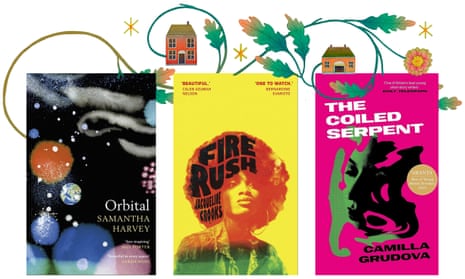
Other notable debuts include Jacqueline Crooks’s hypnotic journey into the dub reggae scene, Fire Rush (Cape), charting a young Black woman’s experience of music, danger and racist policing in the 1980s. Wandering Souls by Cecile Pin (4th Estate) follows young Vietnamese refugees to Thatcher’s Britain with great heart and delicacy. Chetna Maroo’s Western Lane (Picador), the slim story of a girl dedicating herself to squash after her mother’s death, blossoms in the spaces between words and the silences between characters: a masterclass in restraint. For Thy Great Pain HaveMercy on My Little Pain by Victoria MacKenzie (Bloomsbury) is another tiny marvel, tenderly illuminating the inner lives of Margery Kempe and Julian of Norwich.

Two first novels drew on the crime genre: Kala by Colin Walsh (Atlantic), a tale of bright-burning teenage friendship and slow-fade adult disappointment in a small Irish town, is a page-turner to rival Tana French. And No One Dies Yet by Kobby Ben Ben (Europa) places a trio of gay Americans looking for their ancestral roots in Ghana against a string of murders, for a playful and daringly executed expose of history, diaspora and the exploitation of African voices.

Gunflower by Laura Jean McKay

Short stories to look out for include Camilla Grudova’s impressively weird vignettes in The Coiled Serpent (Atlantic), Laura Jean McKay’s sharp speculations in Gunflower (Scribe), and another virtuoso collection from Tessa Hadley, whose After the Funeral (Cape) identifies moments of psychological change to thrilling effect. Magogodi oaMphela Makhene’s Innards (Atlantic), chronicles of Soweto under and after apartheid, forcefully uncovers a corrosive history.

It was a great year for historical novels of all stripes. AK Blakemore’s followup to The Manningtree Witches, The Glutton (Granta), takes a tall story from the annals of revolutionary France – a man who ate everything, from buttons to babies – and spins an irresistible picaresque of social upheaval and individual appetite. This is a book joyously in love with language, in all its possibilities. Lauren Groff’s The Vaster Wilds (Hutchinson Heinemann) follows an English servant girl on the run from a plague-hit early American colony: it’s both a gripping survival story, and a subtle allegory for the centuries to come.

Cahokia Jazz by Francis Spufford

Two energetic and hugely enjoyable books shook up the historical novel. Francis Spufford’s Cahokia Jazz (Faber) portrays a noirish murder investigation in an alternative 1920s America, in which Native Americans play equal part; and The Ghost Theatre by Mat Osman (Bloomsbury) is a gleeful romp through the playhouses and back alleys of a twisted version of Elizabethan London.

Salman Rushdie spins a magical realist saga of medieval India in Victory City(Cape), his first fiction to be published since the attack against him in 2022. Meanwhile Tom Crewe’s The New Life (Chatto), about gay pioneers in 1890s London, has extraordinary physical presence, exploring bodies as well as minds; and Adam Mars-Jones writes 1970s England meticulously back into existence in the latest instalment of his witty and humane series about one man’s life and thoughts, Caret (Faber).

Penance-Eliza-Clark

Contemporary Britain is the focus of Diana Evans’s lyrical and excoriating A House for Alice (Chatto), which sets one woman’s desire to return to the Nigeria of her youth against the backdrop of the Grenfell tragedy. Eliza Clark’s Penance (Faber), about the murder of a teenager by her peers, and the true-crime vultures who follow in its wake, is a disturbing and fiendishly clever portrait of Brexit Britain and online communities: how the longing for identity can be weaponised and twisted into dangerous new shapes.

In Julia (Granta), her companion to Nineteen Eighty-Four, Sandra Newman revisits a vision of England’s future that has receded into the past. By mirroring Orwell’s plot from the female perspective, she burrows deeper into the structures and effects of totalitarianism in an ingenious novel that thoughtfully complicates the original.

An unmissable rediscovery from 1973, Lord Jim at Home by Dinah Brooke (Daunt), turns a cold eye on the family dysfunction of the English upper class. Through scalpel-sharp prose and bitter comedy it lays bare the darkest human impulses, but if you’d prefer sunnier Christmas reading, turn instead to Samantha Harvey’s Orbital (Cape). In the tale of six astronauts circling the Earth, Harvey beautifully evokes the wonder and fragility of our planet and its inhabitants. An uplifting book, in every sense.

THE GUARDIAN


Tuesday, December 26, 2023

August Blue by Deborah Levy review / Double trouble in Greece


‘The narrative has a fittingly musical quality’: Deborah Levy. Photograph: Sarah Lee

BOOK OF THE DAY

The best fiction of 2023

August Blue by Deborah Levy review – double trouble in Greece


A doppelganger leads the way to suppressed secrets in the author’s wistful, fabular new novel

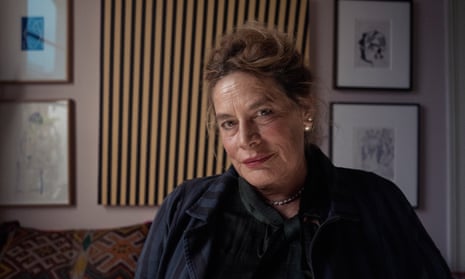
Olivia Laing
Monday 24 April 2023


A

young woman in an Athens flea market sees a stranger buy two mechanical horses, which dance when their tails are pulled up. Both women are wearing the same coat, a green trench, tightly belted. The watcher, too, covets the horses. As she greedily observes the transaction, she is compelled by the sense that she is looking at herself, “that she and I were the same person. She was me and I was her.”

Sunday, December 24, 2023

The Best Books of 2023 / Ten authors

Photo-Illustration: Franziska Barczyk


The Best Books of 2023


Ten authors whose original ideas challenged our preconceived notions of the world.


Each year, we experience a bounty of excellent new books being published, and if we’re lucky, we’re able to read a tenth of them by December. 2023 is no different. In a year when many un-consenting authors found their works being used to train artificial intelligence, it feels extra crucial to celebrate original thinking. From heavily reported nonfiction on topics that were hitherto obscured, to thrillers that shocked us after we thought we’d seen it all, to poetry collections that made us rethink our perspective on the world, there was much to enjoy. Here, some of the very best.

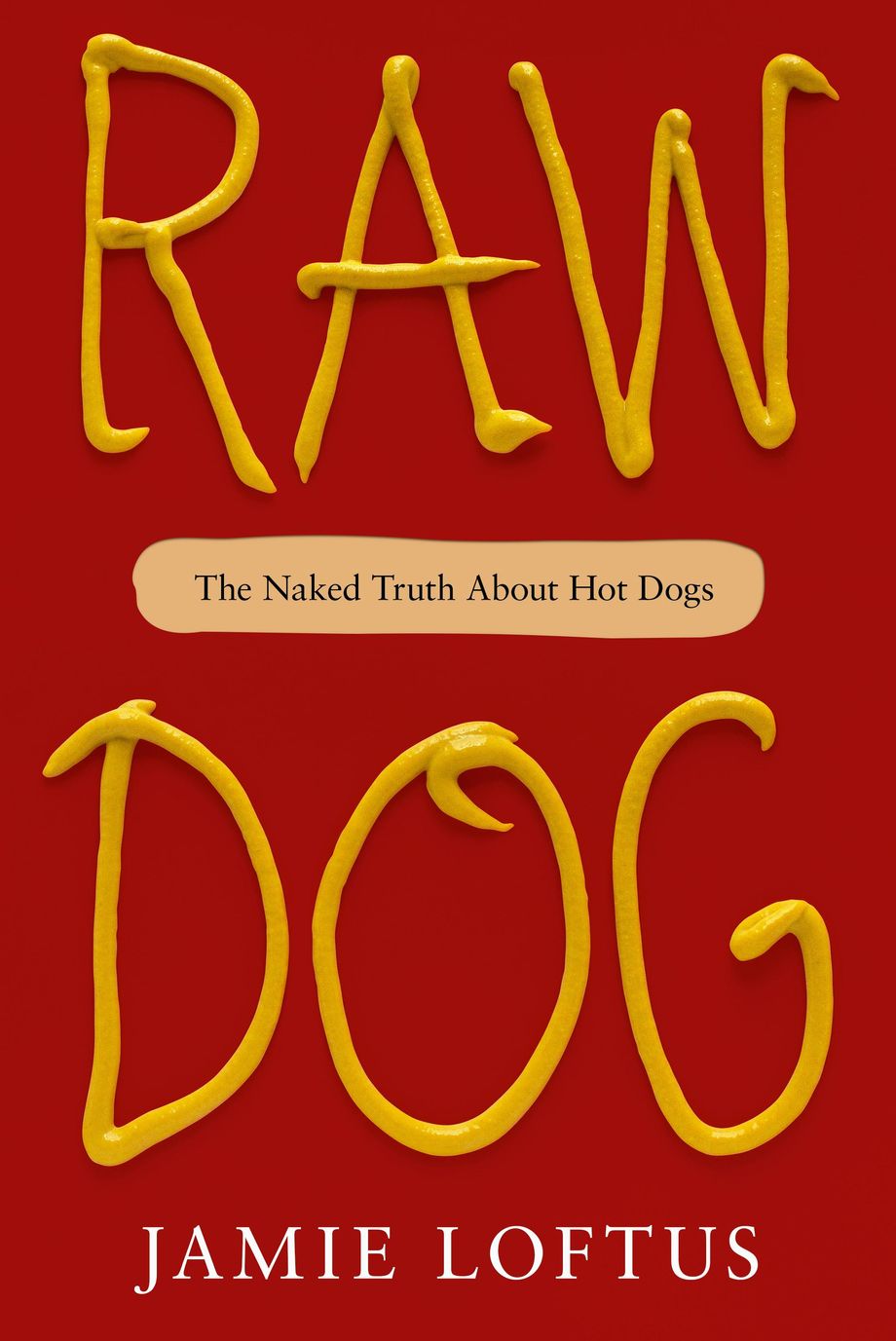
Raw Dog, by Jamie Loftus (Forge/Macmillan)

The public appetite for single-topic cultural histories in the vein of Mark Kurlansky’s Salt seems insatiable, so we are very lucky to finally have the definitive consideration of the hot dog. Comedian and podcaster (My Year in Mensa, Aack Cast, and more) Loftus takes us on a journey both silly and profound as she traverses the country on a quest to find the best franks and wieners, filling it all out with the ethnic and economic evolutions of the modest food (as well as its labor history). Packed with fun and some angst and a few digressions on gastrointestinal distress, Loftus’s journeys take her from the Oscar Mayer Wienermobile to Coney Island’s notorious hot-dog-eating contest and all the personalities and politics surrounding them. For extra laughs, listen to the audiobook, which the author narrates in her inimitable voice. Missing that would be as big a sin as putting ketchup on a dog in Chicago.


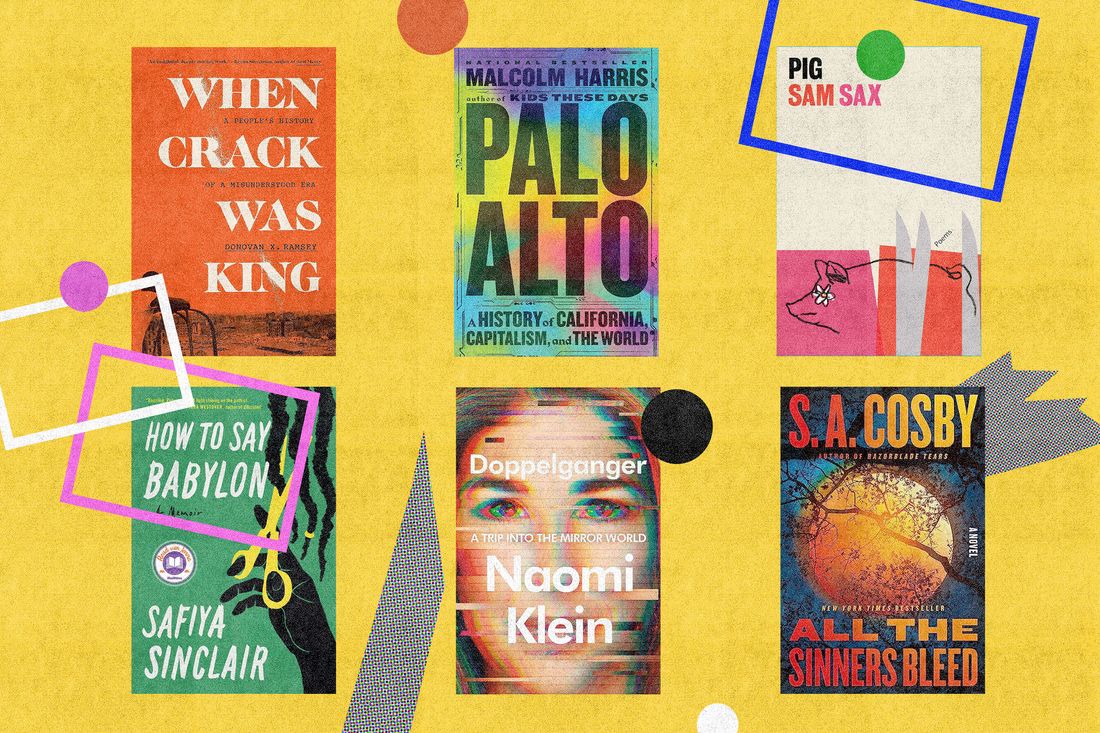
Pig, by Sam Sax (Scribner)

In a collection organized around an unlikely theme, Pig allows the poet to experiment with form and draw connections between seemingly unrelated phenomena. Sax is concerned with both the literal body of the pig as well as its connotations: as swine, as cops, as unkosher, as dirty, as pop-culture phenomena, as an oftentimes-queer sexual preference. A wholly original mix of comedy and tragedy, Pig contains visual diversity (the circular “Porchetta Di Testa, Or Rolled-Up Pig Face” is a standout) as well as rhyme schemes that hint at the poet’s dark sense of humor. From an ode to Miss Piggy as a queer icon to a poignant yet arch meditation on observing Yom Kippur (“Easy Fast Queers”), Pig ingeniously finds grace in the profane and beauty in the wretched.


8.

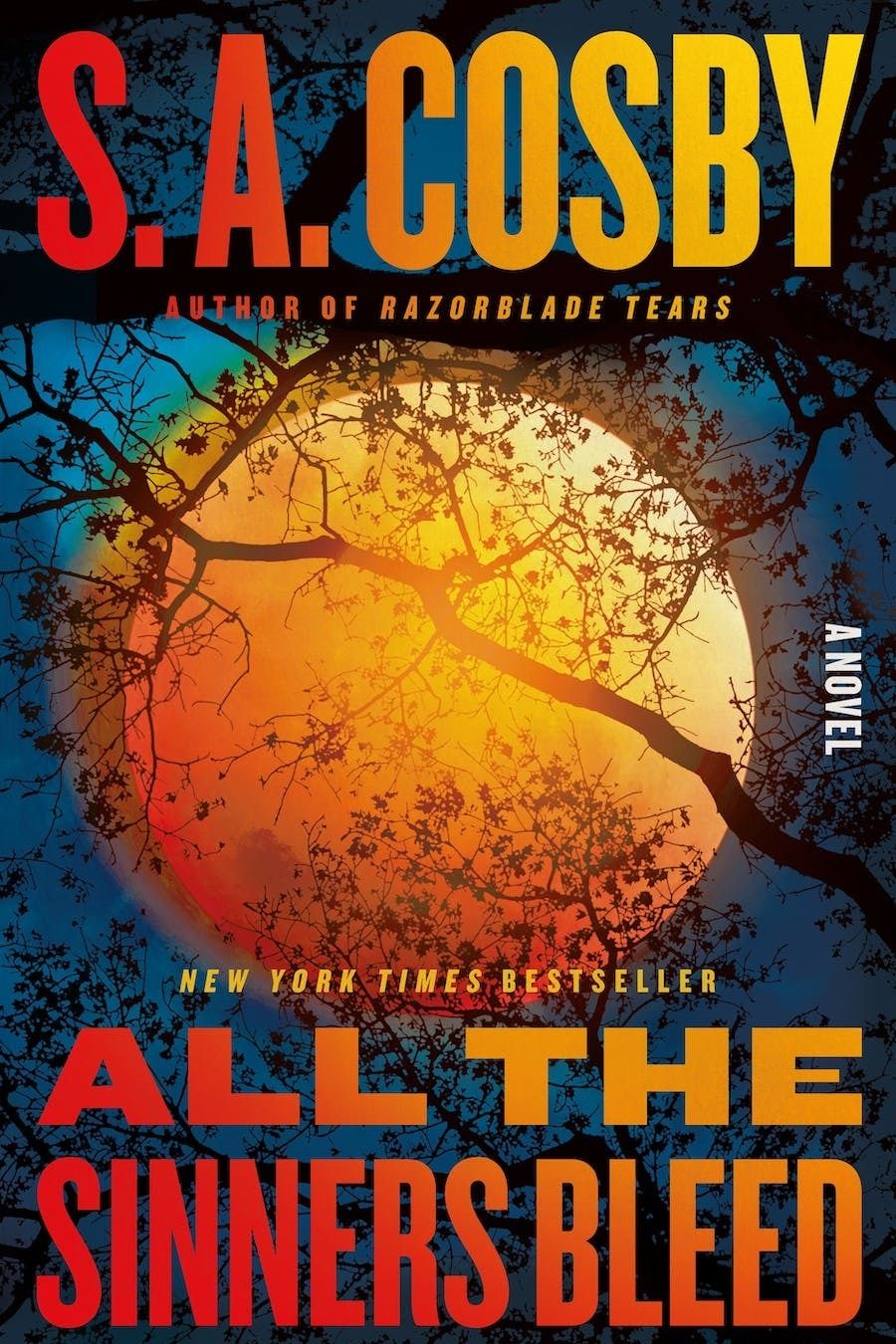
All the Sinners Bleed, by S.A. Cosby (Flatiron)

The best thriller of 2023 is a briskly paced, action-packed stunner underpinned by a slew of thorny philosophical and moral questions. For one, is it possible to change institutions, rotten to the core, from within? Titus Crown, a former FBI agent with an impeccably organized closet, thinks it just might be. In 2017, Titus takes a job as the first Black sheriff in his hometown of Charon County, Virginia, a place where monuments to Confederate heroes still stand. A teacher’s murder at the local high school sets off a chain of violence that sends Titus — and Charon County — into a frenzy. As the comfort of his routine falls away and Titus grasps for control, he uncovers the work of a serial killer whose unspeakable crimes have been peppered with religious iconography. Titus’s fevered search for the perpetrator and his reckoning with the conditions that enabled such evil to fester are utterly compelling, but his tender reconciliations with his brother and their ultrareligious father are the true heart of the story.


Lorrie Moore
by Triunfo Arciniegas


7.

I Am Homeless If This Is Not My Home, by Lorrie Moore (Knopf)

Photo: Knopf

It’s a travesty that Moore has never won a major literary prize for her novels, and her most recent is a shining example of the style that makes her stand out among other fiction writers. You don’t read Moore for plot but rather for her characters, their emotions, and the off-kilter yet entirely apt thoughts that run through their heads. I Am Homeless begins in New York City in 2016, interweaving a historical epistolary narrative with a weird and wonderful ghost story.Suffering from the kind of grief that bends reality, Finn goes from visiting his brother in hospice to taking a road trip with Lily, his recently deceased ex-girlfriend, to deliver her to a Southern body farm. But don’t worry about the story line! A line from Zombie Lily pinpoints so much of the magic of Moore’s writing: “Jokes are flotation devices on the great sea of sorrowful life. They are the exit signs in a very dark room.”


6.

How to Say Babylon, by Safiya Sinclair (Simon & Schuster)

When a poet of Sinclair’s caliber (Cannibal, 2016) writes a memoir, it almost doesn’t matter what she writes about; she is certain to dazzle with her language. But Sinclair’s history makes for a rich subject matter, having grown up in Jamaica in a Rastafari family. Despite the obtuse American conception of the laid-back Rasta enforced by Bob Marley posters in college dorms, Sinclair’s subjects are both a historically persecuted minority and a fundamentalist sect with stifling constraints built around a patriarchal obsession with women’s purity. Sinclair’s father was the arbiter and enforcer of all Rastafari principles, implementing strict rules on how to dress and behave. Under such stifling influence, Sinclair, her siblings, and their mother, described as a “coven of overachievers,” turn to art and poetry and education of all sorts for sustenance. Year by year, we witness Sinclair’s growth and her awakening to the outside world as she discovers her true priorities and activates her own beautiful voice.


5.

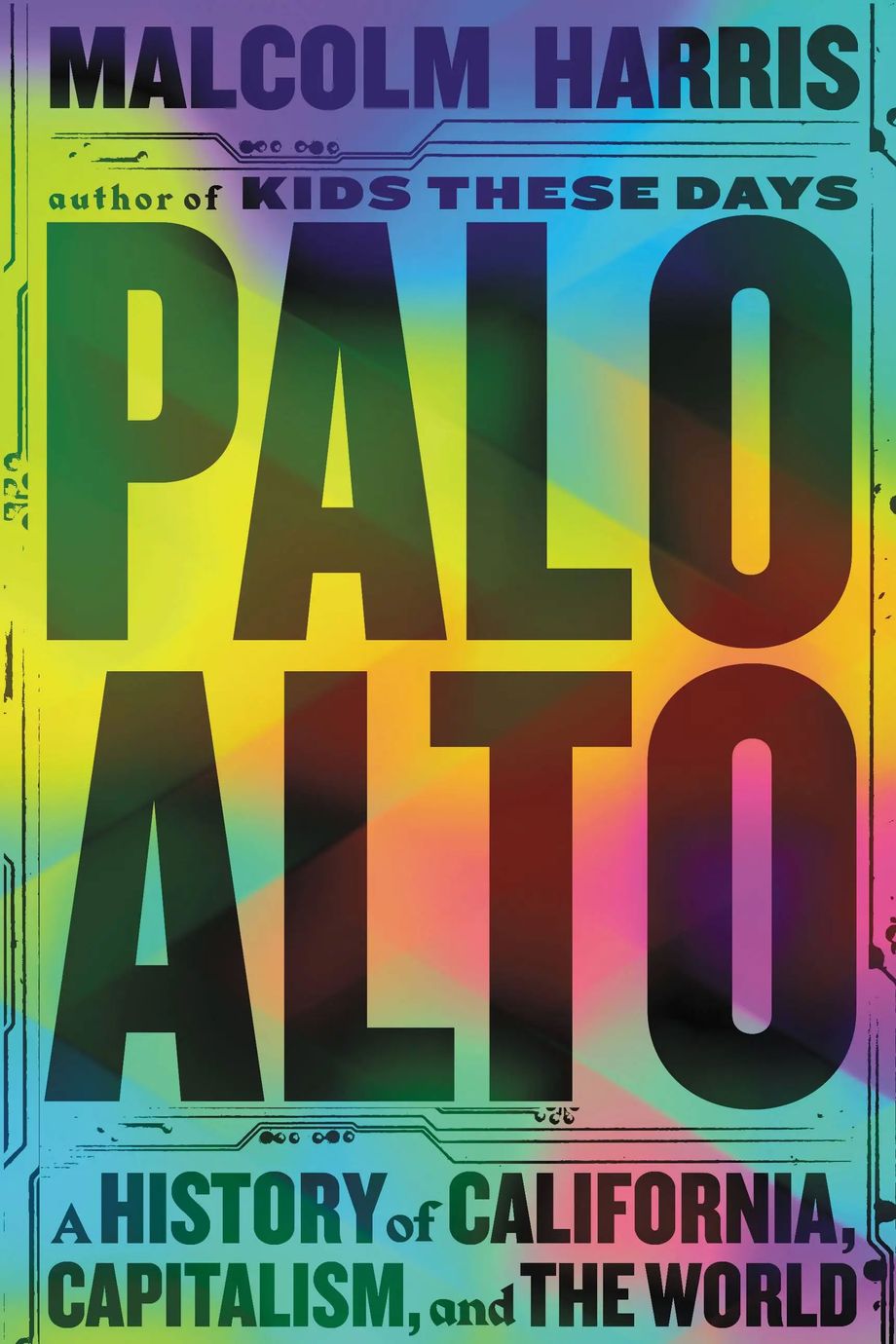
Palo Alto, by Malcolm Harris (Little, Brown)

A sweeping biography of a place where efficiency and profitability dominated long before the tech industry as we know it ever existed, Palo Alto is an astute unraveling of how we got here. In an entirely engaging narrative voice, author Harris considers his hometown, where obsession with optimization illuminates capitalism run amok. Harris uses a wide lens to illuminate how seemingly disparate branches of history are actually connected, starting with the establishment of the suburban Northern California town on stolen land, reaching through 19th-century railroad robber barons and gold-rush fortune-seekers, all the way to 20th-century weapons manufacturing and current-day venture-capital-crazed start-ups. Throughout, Harris foregrounds the exploitation of labor in this wealthy town, the way squeezing productivity out of employees was a feature of Palo Alto’s culture that presaged Silicon Valley’s ill treatment of its lowest-rung workers.


4.

Biography of X, by Catherine Lacey (Farrar, Straus and Giroux)

Photo: Macmillan

One of many excellent novels published in 2023 that blur the line between fact and fiction (Same Bed Different Dreams, by Ed Park; The Maniac, by Benjamín Labatut; Blackouts, by Justin Torres), Biography of X plays with the slippery borders between real-life historical figures and fictional characters. The artist X is a Kathy Acker–type maverick whose shape-shifting identity through the decades has created a mythos around herself and her work. When she dies, her widow attempts to write a book about her life, and the research leads to unexpected places and some pertinent questions: Can we ever really know someone? As a fan? As a spouse? Was X’s whole life’s work just an elaborate bit?

On top of X’s story, Biography of X is also an alt-history of America in which the Northern and Southern Territories of the country have reunified after splitting at the end of WWII. Lacey pulls off a virtuosic feat in footnotes and endnotes, embedding fictional events for real-life characters in the world of the book (one citation is a Renata Adler book of reporting from undercover in the Southern Territory published by FSG in 1978). Lacey nails the aphorisms of a downtown legend, the ones that come from real sources and fictional ones. Every detail is immaculate.


3.

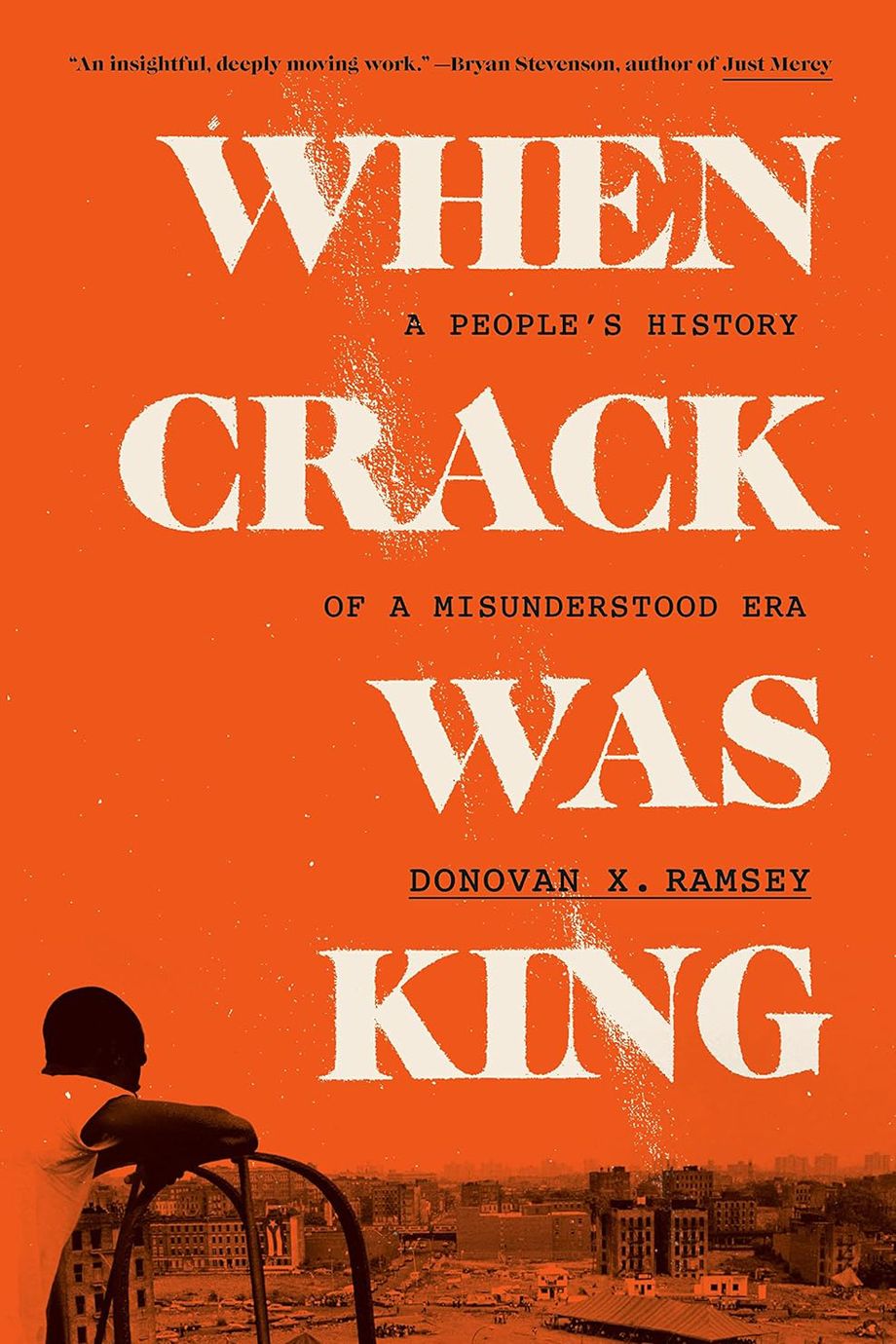
When Crack Was King, by Donovan X. Ramsey (One World)

Ramsey’s debut work of reported nonfiction is both a deeply researched and deeply felt exploration of the 1980s crack epidemic told from many angles. Throughout the book, Ramsey alternates between chapters that detail what was happening legally and culturally in American society as a whole, juxtaposed with the personal stories of four people whose lives were profoundly changed by the rise of the drug. His extensive interviews with Lennie Woodley in South Central Los Angeles, Elgin Swift of Yonkers, Shawn McCray of Newark, and Kurt Schmoke of Baltimore provide a much-needed counterpoint to the sensationalist media coverage that aided in utterly dehumanizing the epidemic’s victims at the time. He also shows how, after politicians and police declared a war on drugs rather than helping those in need, the communities that were most vulnerable managed to save themselves.


2.

Enter Ghost, by Isabella Hammad (Grove)

It’s both a truism and wonderful cliché that art is essential in times of turmoil, that great art can help to make sense of the world even if it’s not nearly enough to save us. Hammad’s astonishing second novel captures this bittersweet contradiction in the story of Sonia Nasir, a Palestinian London actress, who returns to Israel to visit her sister and is enlisted to play Gertrude in an Arabic staging of Hamlet to be performed in the West Bank. In the shadow of IDF checkpoints and interrogations, the cast mounts a scrappy and spirited production infused with subtext, even as it accounts for a production in which Ophelia was portrayed as a suicide bomber. Flashbacks from Sonia’s childhood summers in Haifa underscore how it is never too late for a political awakening, especially under circumstances that are as devastating as any Shakespearean tragedy.


Doppelganger, by Naomi Klein (FSG)

No recent book has better captured the absurdities and perils of the current moment in politics and culture and digital life than Doppelganger. The premise might seem gimmicky: Progressive writer Klein explores how the other author with whom she’s constantly confused, Naomi Wolf, became red-pilled. But Other Naomi’s descent into right-wing madness is just a jumping-off point for Klein to explore a shadow world that exists concurrent to our own, where facts are malleable and disinformation is abundant, where conspiracy theories distort and exploit our very legitimate fears, and where fascism can arise as democracy’s evil twin.

This book is a must-read even before Klein gets to unforgettable observations about ethnic doppelgängers and her experience as a Jewish woman who once reported from Gaza. With humor and empathy and a sharp eye that can deconstruct systemic injustices with the same ease as Twitter drama, Klein uses copious film and literary references as she skewers everything from the wellness industry to AI.


VULTURE