Showing posts with label Oguz Atakan Gul. Show all posts

Sunday, April 26, 2026

The evolution of hospital design / From past to future


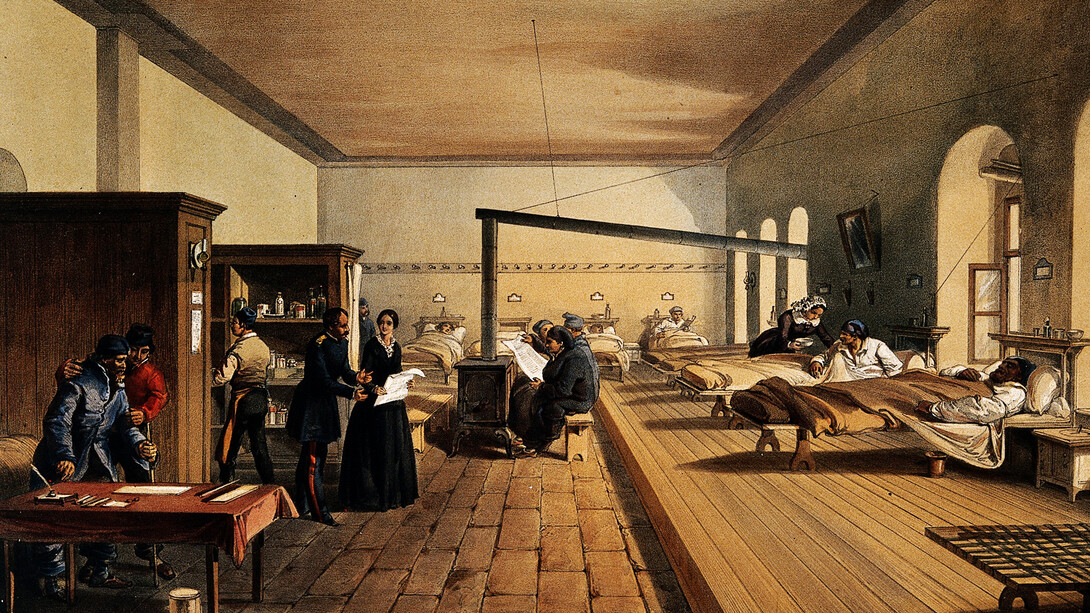
An 1856 lithograph of the Selimiye barracks at Scutari as a hospital during the Crimean War where Florence Nightingale worked, by William Simpson

The evolution of hospital design: from past to future

Tracing the evolution from ancient care facilities to modern healing environments

26 JULY 2025, 

Hospital design has undergone a remarkable transformation over the centuries. Once focused solely on function and efficiency, healthcare architecture now prioritizes patient experience, healing, and community integration. As the healthcare industry adapts to new challenges and innovations, hospitals have shifted from sterile, institutional environments to vibrant, patient-centric facilities. This article explores the evolution of hospital design, highlighting key historical milestones, modern trends, and the role of technology in shaping the hospitals of tomorrow.

Biophilic design / A symphony of nature in architecture


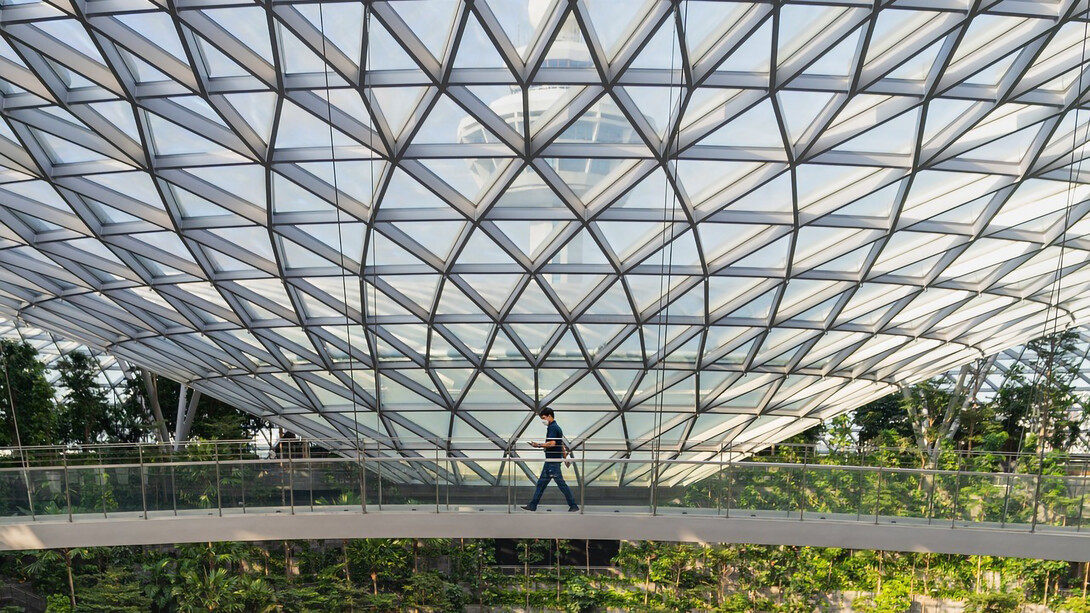
Biophilic design architecture, Singapore, Changi Airport


Biophilic design

A symphony of nature in architecture 

26 AUGUST 2025, 


In the heart of our bustling cities, where skyscrapers scrape the heavens and concrete jungles stretch to the horizon, a silent revolution is taking root. It's a movement that beckons us to rediscover our connection with the natural world—a phenomenon known as "biophilic design." As we step into these architecturally reimagined spaces, we embark on a journey where the boundaries between the built and the natural blur, creating harmonious sanctuaries that inspire awe and introspection.

Innovative architectural / Designing healthcare solutions for rural communities


Yves Marre's péniche, serving as a floating clinic in Bangladesh


Designing healthcare solutions for rural communities

Innovative architectural approaches to improve access, efficiency, and sustainability in remote areas

26 SEPTEMBER 2025, 

Access to quality healthcare is a fundamental right, yet rural areas worldwide often struggle with limited medical facilities and resources. Bridging the accessibility gap in rural healthcare requires innovative architectural solutions tailored to the unique challenges of these regions. From modular clinics to community-driven healthcare hubs, the design of rural medical facilities can profoundly impact the well-being of underserved populations. Beyond addressing medical needs, these structures can serve as community anchors, promoting education, social interaction, and economic growth.

The rise of brain-responsive architecture


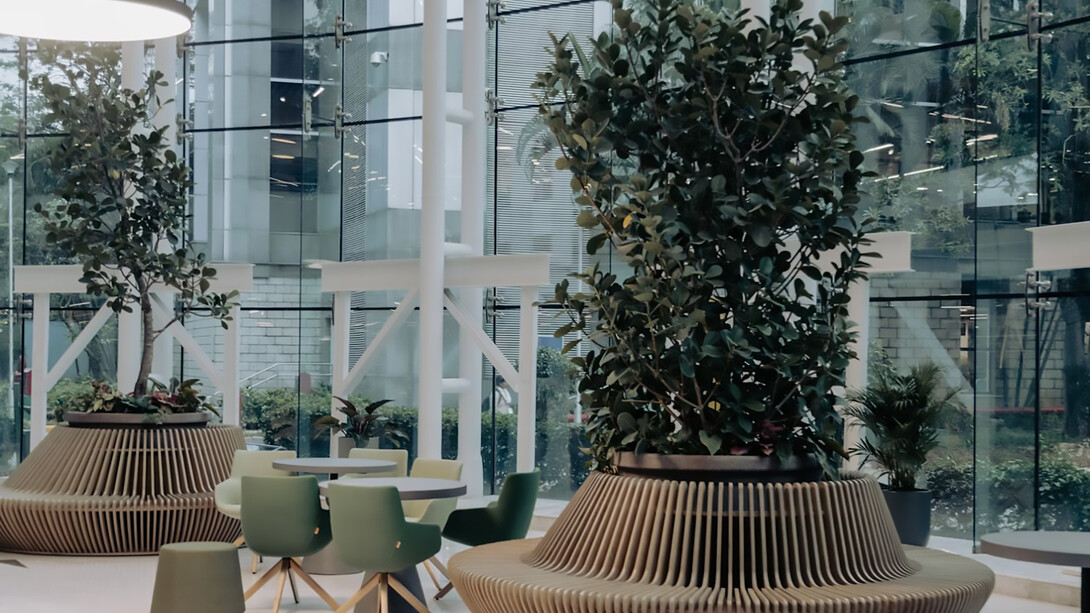
Modern office lobby with floor-to-ceiling windows, green chairs around round tables, and ribbed planters holding lush indoor plants. Bright and airy with a contemporary feel


The rise of brain-responsive architecture

A speculative but grounded vision of an architectural future where buildings don’t just shelter us

26 OCTOBER 2025, 


Consider if your office could tell that you were losing focus and adjusted the lighting to revive you. Or if your home could notice tension in your body and muted its acoustics and temperature to relax you. This is the new universe of brain-sensitive design—a union of neuroscience, AI, biometric monitoring, and adaptive systems that has the potential to redefine our relationship with the built environment.

Biophilic design and the brain / Why we thrive in nature-inspired spaces


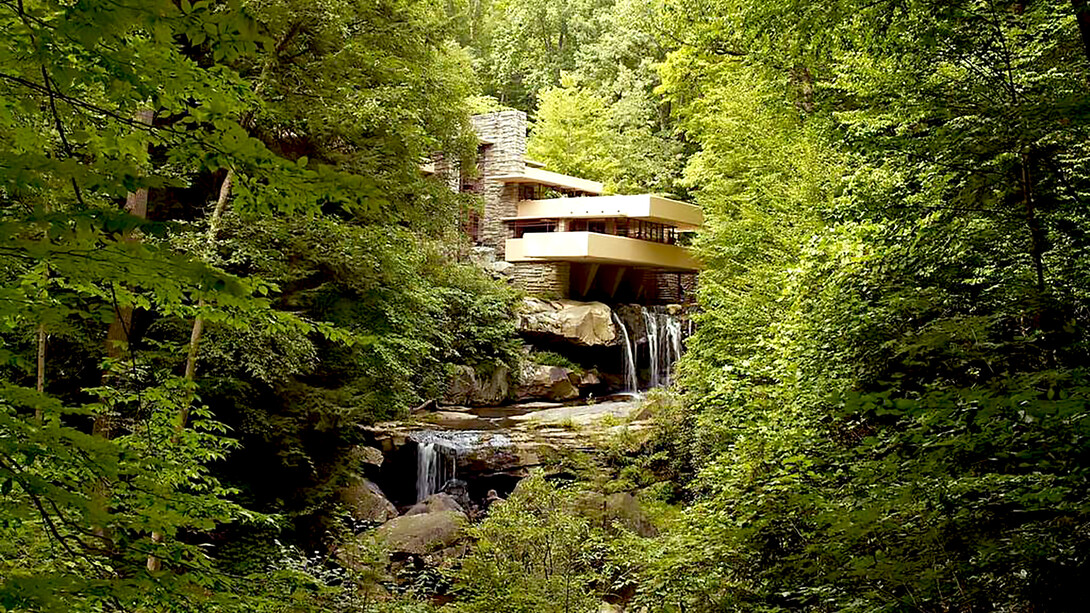
Fallingwater is a house museum in Stewart Township in the Laurel Highlands of southwestern Pennsylvania, United States. Designed by the architect Frank Lloyd Wright


Biophilic design and the brain

Why we thrive in nature-inspired spaces

26 APRIL 2026, 

As we become increasingly urbanized, spending nearly 90% of our lives indoors, the divide between human beings and the natural world grows more pronounced. Yet, neuroscience tells us that our brains are still wired for nature. This is the premise behind biophilic design — a design philosophy that seeks to reconnect people with the natural environment through architecture. Far more than a passing aesthetic trend, biophilic design draws from evolutionary biology, cognitive science, and environmental psychology to create spaces that support mental, physical, and emotional health. It is one of the most potent tools in the emerging field of neuroarchitecture.