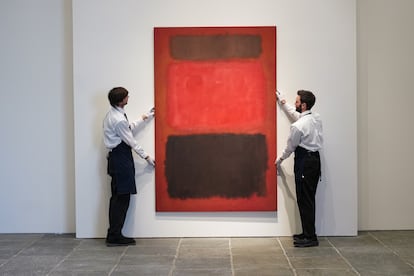
Mark Rothko's painting 'Browns and Blacks in Red' was auctioned this Thursday at Sotheby's in New York.JOHN NACION (GETTY IMAGES)
The auction of two Rothkos and a De Kooning injects optimism into New York Art Week
The painting ‘Brown and Blacks in Reds’ sold for $86 million, close to the record for the Latvian-born American painter. Gallery owners at the Tefaf art fair highlighted the strong investor appetite despite the economic uncertainty surrounding the Iran war
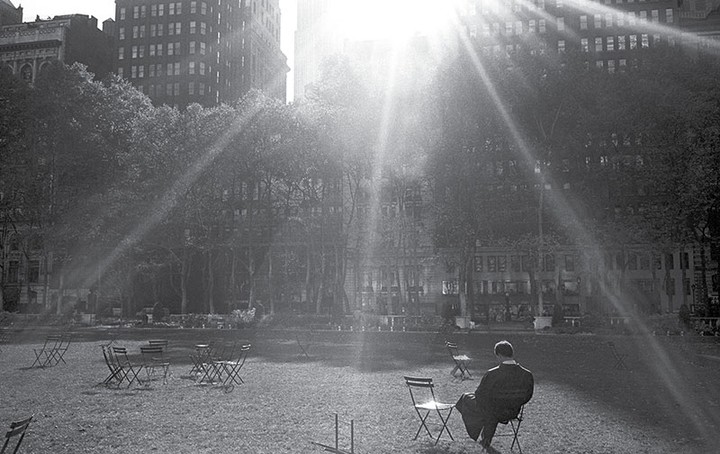
The distinguished writer Siri Hustvedt lives with her husband, novelist Paul Auster, in Brooklyn, a few minutes over the East River from the site of the Twin Towers. Here she looks back on the terrible wound inflicted on her city and its power of survival
Valentino with Marisa Berenson at the opening of his boutique in Paris.
When Valentino Garavani Took Andy Warhol Shopping on Fifth Avenue
By Andy Warhol and Bob Colacello
January 20, 2026
For our December 1975 issue, Valentino Garavani spent the day with Andy Warhol and Bob Colacello to ring in the opening of his boutique on Fifth Avenue. Between playing dress-up and spontaneous encounters with legends like Liza Minelli, Shirley Goldfarb, and Marisa Berenson, it was a day of culture, opulence, and gossip on Billionaire’s Row. Following the announcement of Valentino’s passing this week at the age of 93, we took a dip into the Interview archives to bring this iconic conversation between two titans of art and fashion to light.
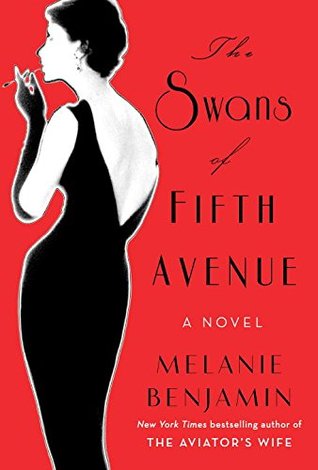
Once upon a time there was a group of very special women who lived in New York City. They were icons of fashion and social arbiters of everything that was right about high society. It was the 1950s and they were Babe Paley, Slim Keith, Gloria Guinness, Pamela Churchill, and Marella Agnelli and they were The Swans of Fifth Avenue. So named by the small, witty, flamboyantly gay author who entered their midst and proceeded to enchant and amuse them. He was Truman Capote and they were his flock. In this deliciously dishy novel author Melanie Benjamin follows the outrageous Capote from the time he makes the acquaintance of this privileged group of socialites until he pulls back the curtain on the fantasy of their lives with the publication of a short story that detailed their not-so-pristine secrets.
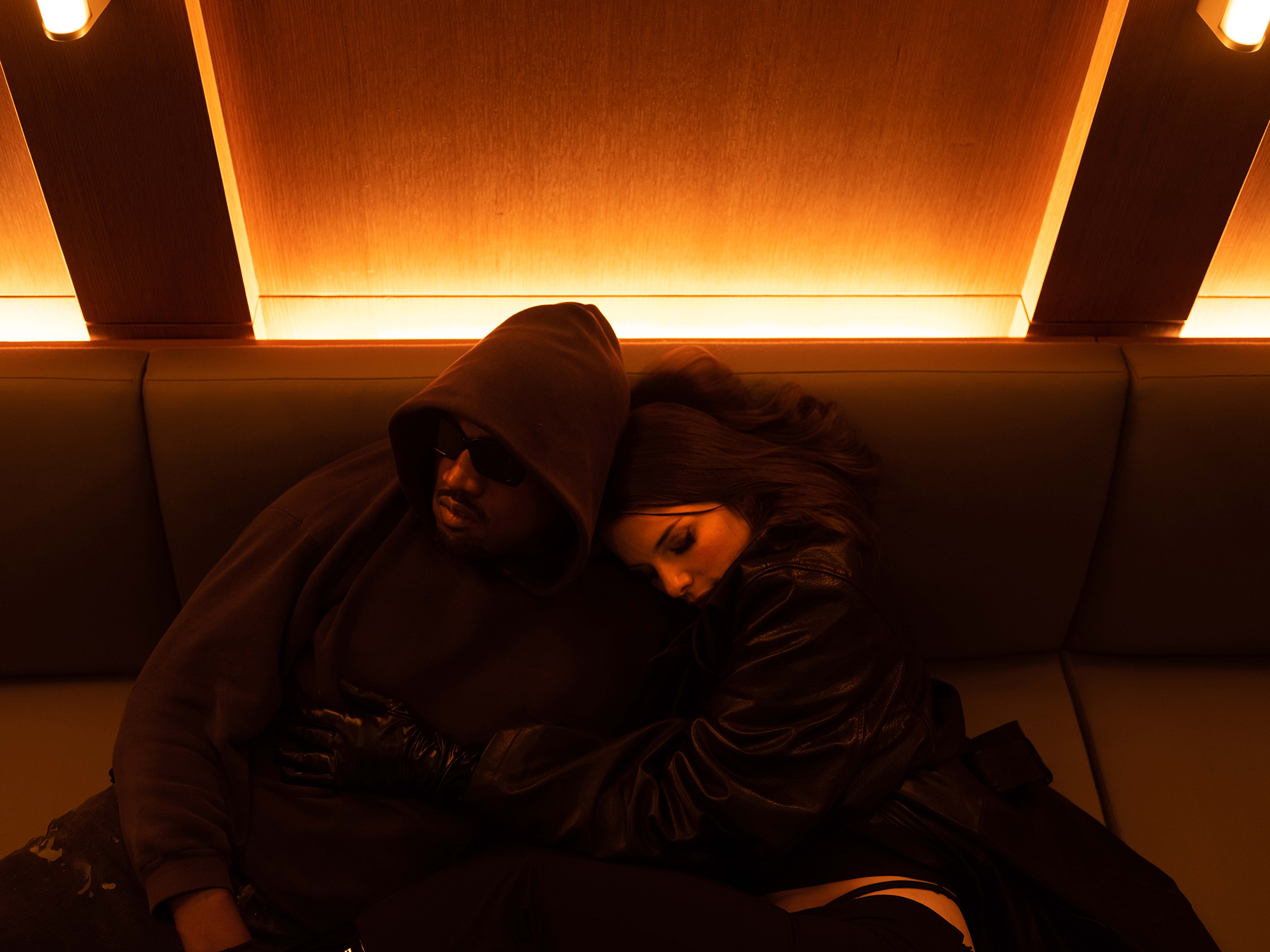
I met Ye in Miami on New Year’s Eve and it was an instant connection. His energy is so fun to be around. He had me and my friends laughing, dancing, and smiling all night. We decided to keep the energy going and fly back to New York City to see Slave Play. Ye’s flight landed at six and the play was at seven and he was there ON TIME. I was impressed. After the play we chose to do dinner at Carbone which is one of my favorite restaurants. Obviously.
How September 11 changed the fiction landscape in 13 novels
Ron Charles
September 10, 2021
The demonic choreography of al-Qaeda’s attack on the United States instantly rendered September 11, 2001 the most documented act of terrorism in human history. As the North Tower of the World Trade Centre burned, cameras already on the scene filmed the second plane soaring into the South Tower. Those appalling images, infinitely reproduced, colonised the minds and imaginations of a generation.
See New York and LA Through the Eyes of Lloyd Ziff | Liberal Arts
The photographer and friend to Robert Mapplethorpe and Patti Smith publishes a black-and-white photo retrospective.
By Nathaniel Ainley Sep 27 2016, 11:25am
It's Back to School season, so to honor your return to art class, we've compiled some personal stories and projects in our Liberal Arts series to help you rethink or reshape your educated perspective.
With a keen eye for the urban landscape, renowned photographer Lloyd Ziff captures the essence of a city with unwavering frankness in New York/Los Angeles, Photographs: 1967-2015, a two-volume collection with over 40 years of pictures. His photographs are direct and unequivocal.
Coronavirus map of the US: latest cases state by state
Niko Kommenda, Pablo Gutiérrez and Juweek Adolphe Thu 2 Apr 2020 05.52 BST
The number of confirmed cases of Covid-19 continues to grow in the US. Mike Pence, the vice-president, is overseeing the US response to the coronavirus.
So far, 80% of patients experience a mild form of the illness, which can include a fever and pneumonia, and many of these cases require little to no medical intervention. That being said, elderly people and those with underlying conditions such as diabetes or heart and lung issues are the most vulnerable. The coronavirus death rate in China for people 80 or over, in the government’s study of more than 72,000 cases, was 14.8%.
Confirmed cases of Covid-19 in the US
Confirmed cases216,357(Today: +2,985)
Deaths5,118(Today: +361)
State/territory
Confirmed cases
Deaths
New York
84,025
2,219
New Jersey
22,255
355
California
9,870
215
Michigan
9,315
335
Florida
7,773
87
Massachusetts
7,738
122
Illinois
6,980
145
Louisiana
6,424
273
Pennsylvania
6,063
74
Washington
5,923
254
Georgia
4,748
154
Texas
4,607
68
Connecticut
3,557
85
Colorado
3,342
79
Tennessee
2,933
24
Indiana
2,568
65
Ohio
2,547
65
Maryland
1,986
31
North Carolina
1,754
15
Missouri
1,671
22
Wisconsin
1,573
28
Arizona
1,530
29
Virginia
1,483
35
South Carolina
1,293
26
Nevada
1,279
32
Alabama
1,107
28
Mississippi
1,073
22
Utah
1,011
7
Oregon
736
19
Oklahoma
721
30
Minnesota
689
17
Kentucky
687
20
Idaho
668
9
District of Columbia
586
11
Arkansas
584
10
Rhode Island
566
10
Iowa
547
9
Kansas
494
10
New Hampshire
415
4
New Mexico
387
6
Delaware
368
11
Maine
344
7
Vermont
321
16
Puerto Rico
286
11
Hawaii
256
1
Montana
217
6
Nebraska
214
4
West Virginia
191
2
North Dakota
142
3
Alaska
137
3
Wyoming
137
0
South Dakota
129
2
Guam
77
3
Virgin Islands
30
0
How the US compares to other countries
Number of cases since the day of the 100th case (log scale)
Source: Johns Hopkins CSSE Note: The CSSE states that its numbers rely upon publicly available data from multiple sources, which do not always agree
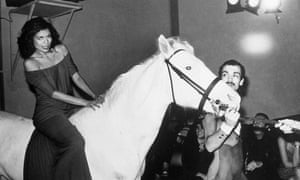
Don’t stop the party … Bianca Jagger sits on a white horse at Studio 54 in 1977. Photograph: Images/Rex Shutterstock
Ian Schrager: how we made Studio 54
‘We wanted a mix of rich, poor, gay, straight, old and young … somebody topless could dance with a woman in ballgown and tiara’
Ian Schrager, founder
New York was on the verge of bankruptcy in the mid-1970s. Danger was in the air, people were getting mugged, but it was also a creative, bohemian time. You could really feel the energy in the gay clubs: there were frantic, intense, sweating bodies everywhere. Straight people hadn’t yet learned to let it all hang out.
I was a lawyer and my friend Steve Rubell was in the restaurant business. In bad times, people look for escapism, so I suggested starting a club. We saw an old TV studio in the west side of Manhattan, which was like Lebanon at the time – unsafe to walk. But it felt right. We persuaded a store owner called Jack Dushey to lend us $400,000 to convert the building and put lighting in, then we put a team together and it all instantly took off.
Right from the opening night, it was like holding on to a lightning bolt or walking into Disney World. The lighting and the sets were an assault on the senses. People danced with wild abandon. The door policy was controversial, but we wanted a mix of rich, poor, gay, straight, old and young, because when you have that alchemy, magic happens. Somebody topless could dance with a woman in a ballgown and a tiara.
Over the next few years, every celebrity or big shot came to Studio 54. But nobody pestered anyone for an autograph, so they could be themselves. Andy Warhol was shy and just liked to watch. Mick Jagger was the same as he was on stage and Diana Ross was an amazing dancer. I never saw Donald Trump dance, though. He was a serious guy.
‘It was like holding on to a lightning bolt’ … Andy Warhol, Calvin Klein, Brooke Shields and Steve Rubell at Studio 54 c.1981. Photograph: Robin Platzer/Images Press/
We were always trying to wow our customers. We dumped four tons of glitter on the dancefloor. When Bianca Jagger jumped on a white horse, the photo went all over the world, but those moments only ever lasted a few minutes because we didn’t want to stop the party. There was a huge “man in the moon” hanging over the dancefloor, who lit up whenever a giant spoon rose up to his nose. But this was more about being arrogant and subversive than celebrating drugs. Studio 54 was no more hedonistic than any other place.
I’m lucky to have survived it. Success made us do stupid things, like fighting the US government. After Steve said, “Only the mafia make more money”, Internal Revenue were all over us. It’s a myth that we had cash hidden all over the club. It was in the back of cars.
Michael Overington, manager
I started as a $3-an-hour cleaner but I made myself invaluable and ended up manager. I kept the place going while Ian and Steve were in jail for 13 months [for tax evasion]. I’d visit them, take in dimes for their phone calls, tell them what was happening in the club.
‘Visiting artists loved it’ … Grace Jones performs at a Studio 54 party in 1978. Photograph: Ron Galella/WireImage
I was the sensible guy who’d crack the whip and get the bartenders and cloakroom girls in position. Every night, we played Earth, Wind and Fire to get the staff in the zone. There was a lot of cocaine back then and the music was energising, so people would speed up and dance till 4am. Visiting artists loved it when we played their records. Madonna lip-synced to a tape. Diana Ross sang along to her songs in the DJ booth.
Because it was a big space with an opening out on to the street, we could bring cars, furniture or animals in, to create different environments every night. At $20 or $30 admission, the door take alone would pay for the scenery, actors and costumes for drag parties and such. The neighbours thought we were crazy. Once, for a Grease party, we brought a load of 1950s convertibles in and the fire department told me to take the gasoline out of them. So we pumped it into the sewers. You could smell it for two blocks. I said: “Well, you told me to get the gas out.”
I recently found an old letter from the health department that said: “You are in violation of the regulations by having a zebra in the club.” The animals would take dumps on the dancefloor.
And one New Year’s Eve, we had a 200ft ice wall which turned the club into a giant blue igloo. I piled the ice out on to the sidewalk the next morning – it was 6ft high and 20ft long. This drunk guy came along with his eyes wide open and said: “Man, they must serve some big drinks in there.”
Ian Schrager’s book Studio 54 is published by Rizzoli International. Michael Overington is now president of the Ian Schrager Company hotel group.