
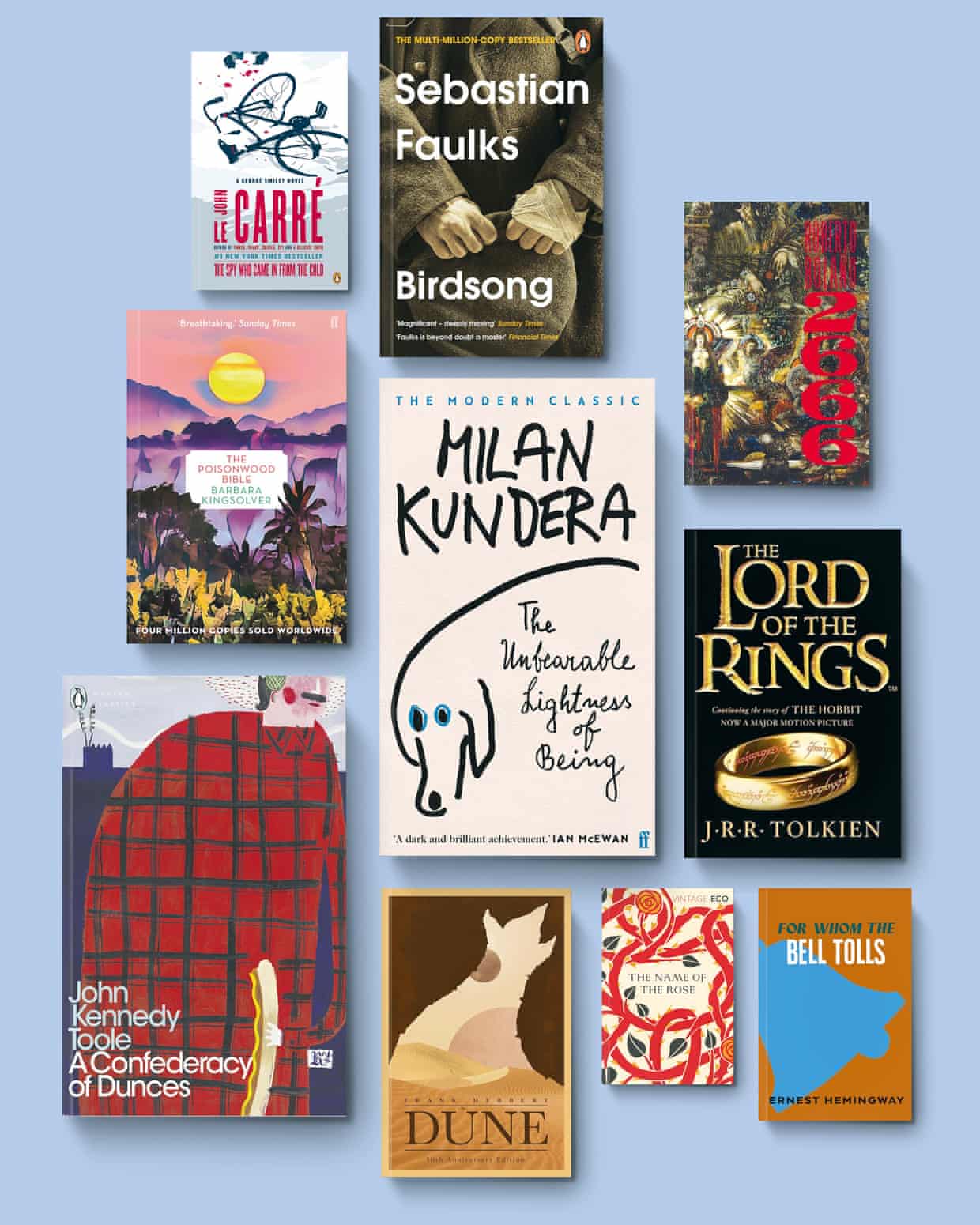
Readers’ top 100 novels of all time
After critics and authors picked their top 100 novels we asked for your favourites. From Uruguay to the Isle of Skye, more than 3,000 readers cast their votes. Here’s your list – topped by a new number 1
100
A Dance to the Music of Time
by Anthony Powell
William Wood, Alberta, Canada, 68, retired art historian: “A series of novels that concerns several specific tiers of English society in the first three-quarters of the 20th century – upper class, bohemian, military, political – with comic brio, melancholy and knowing social analyses.”
=93
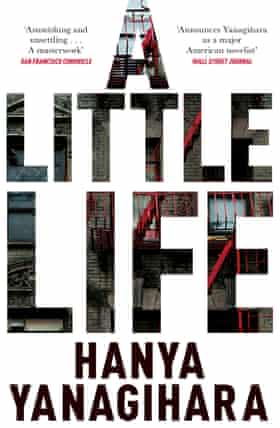
A Little Life
by Hanya Yanagihara
Heather, Sydney, Australia, 40, engineer: “Devastating. I never want to read this again, yet I will never forget it.”
All the Light We Cannot See
by Anthony Doerr
Roger Paine, Boulder, Colorado, US, 84, retired: “History is brought fully to life in the lives of Marie-Laure and Werner, the storytelling is vivid, the tears are real.”
Animal Farm
by George Orwell
Jenny Lundy, London, UK, 47: “Reading this as a teen was my entry-level book to socialism. It opened my eyes to injustice, oppression and abuse of power. My parents always blamed my ‘communist’ English teachers for introducing me to Orwell!”
Love in the Time of Cholera
by Gabriel García Márquez
Adam Glasser, London, UK, 70, musician: “Unsurpassable literary achievement depicting the psychological and emotional reality of passionate love. A phenomenally original story, with fantastical yet totally believable characters, set against the detailed vast canvas of Colombian history and culture at the turn of the century. A tale so poetically bewitching that the reader is compelled to admit the ending is no fairytale but one hundred percent reality.”
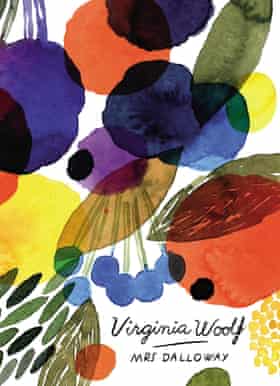
Mrs Dalloway
by Virginia Woolf
Natasha Walker, Heidelberg, Germany, 55, consultant: “I wish I’d written it! All the world of emotion and relationships contained in Mrs D’s few hours preparing for her party. Heart-wrenching and most beautifully observed.”
Of Human Bondage
by William Somerset Maugham
Lee Anne Test, Columbus, Ohio, US, 57, former bookseller: “It’s a little bit of a melodrama, and who doesn’t like that? Maugham is eminently readable, and this is his best.”
The Magus
by John Fowles
Dominic Riordon, Gerringong, Australia, 61, retired lawyer: “Reading this book as a young man I was dazzled by the depth of the narrative, the evocative setting and the complex weaving of ancient Greek mythology into the story.”
=80
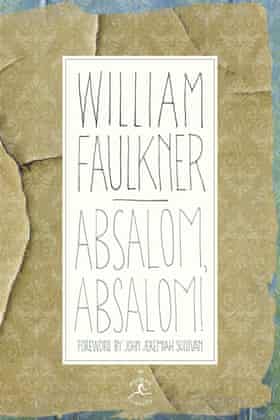
Absalom, Absalom!
by William Faulkner
Brent Grisim, Seattle area, US, 60, scientist: “A foundational critique of the mentality of the enslaver. It took me 20 hours to complete and I emerged as if from a religious experience. Savage and dazzling.”
Dune
by Frank Herbert
Chris Winter, the Netherlands: “This novel was simply pivotal for my thinking about so many things. Religion. The nature of politics, AI, class society, the Middle East, you name it. Since then, I’ve never come across a book so densely packed with ideas.”
For Whom the Bell Tolls
by Ernest Hemingway
David, Chicago, high school literature teacher: “Potent read in 2026: an idealistic leftwing American hero sacrifices himself for a greater cause while his country stands aloof. Masterful narrative command from Hemingway, who shows tremendous empathy for those who courageously resist the fascist killing machine.”
Jonathan Strange & Mr Norrell
by Susanna Clarke
Natalie Clark, St Andrews, Scotland, 31, paediatrician: “Clarke understands the English psyche profoundly. She subverts and challenges it, using fantasy as a mirror to Napoleonic war-era society and critiquing the roles of people of colour, women and the working classes by slowly revealing that, for them, magic never disappeared. I believe it is truly the greatest novel of the 21st century.”
Memoirs of Hadrian
by Marguerite Yourcenar
Amy Lapierre, Wolcott, Connecticut US, 56, local realtor: “It took Yourcenar 20 years of meticulous research to write Memoirs of Hadrian and it reads as if she channelled his voice.”
Tess of the d’Urbervilles
by Thomas Hardy
Lisa Reynolds, Norfolk, retired: “An A-level text that has stayed with me … making me re-evaluate my views over time. A novel that questions Victorian hypocrisy … and one that prompted a group of sixth formers to visit Hardy’s Dorset for five days in 1979!”
The Life and Opinions of Tristram Shandy, Gentleman
by Laurence Sterne
Tony Dodd, Abingdon, Oxfordshire, 73, software engineer: “A gem from nowhere, unprecedented and without successor. After 50 years it still has me in stitches.”
The Name of the Rose
by Umberto Eco
Deirdre Slater, Youlgreave, Derbyshire, 77, retired modern foreign languages teacher: “It’s a very good historical whodunit on one level, pretty accurate knowledge of medieval clerical history on another and a grim look into the deepest and darkest places of the human mind, often hiding behind the expression of religion.”
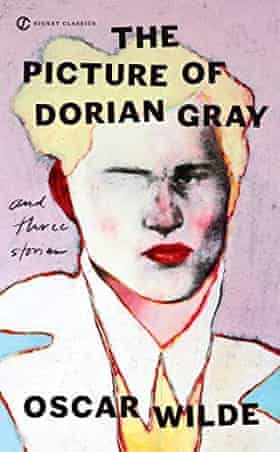
The Picture of Dorian Gray
by Oscar Wilde
Catherine Healey, Chicago, US, office manager: “This list is not complete without Wilde’s masterpiece. This might be one of the most ingenious concepts put to pen, and Wilde (of course) is able to master it with his signature ease – what does the corruption of the soul physically look like when beauty and youth are prized above all else?”
The Plague
by Albert Camus
Josh, Atlanta, Georgia, US, 53, ER doctor: “One of the most powerful books written, The Plague is the story of a doctor trying to simply do what’s right during an outbreak despite religious and political obstruction. It’s also a metaphor for the rise of fascism. A perfect modern novel.”
The Red and the Black
by Stendhal
Julia Weiner, London, 60, art historian: “A flawed hero that you end up loving, two very different heroines, one so melodramatic, the other so passionate. An unforgettable final few pages. What is not to love? I am off to find my copy and start again.”
The Road
by Cormac McCarthy
Liam Given, Málaga, Spain, 56: “McCarthy’s language is sparse and beautiful and you are carried along through horrors and hells, invested in the fate of the father and boy. I’ve read it many times. It’s a book that warns humanity what it is at risk of losing.”
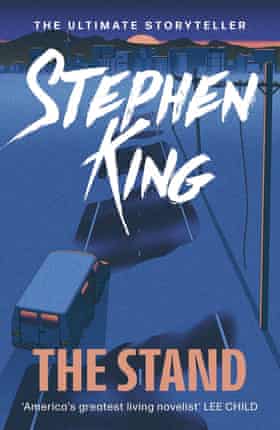
The Stand
by Stephen King
Anita Pomerantz, Baltimore, US, 59: “Unforgettable. No one engages the reader like Stephen King. It’s riveting for over 1,000 pages. Other readers may argue King isn’t literary enough, but I would argue he just fools you into thinking that because he’s such a propulsive writer. ”
=75
Brave New World
by Aldous Huxley
Anonymous, Australia: “Reflects our modern society in an almost more accurate way than Nineteen Eighty-Four, and a dystopia we never tried to avoid.”
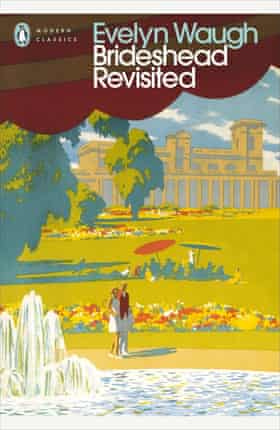
Brideshead Revisited
by Evelyn Waugh
Declan Durrant, South Australia, 28: “It is the great novel from possibly the greatest prose stylist of the 20th century. Creamy and redolent with excess and guilt and moral decay in a lost England which, perhaps, never existed – and if it did, maybe shouldn’t have.”
The Old Man and the Sea
by Ernest Hemingway
Vince, Melbourne, Australia, 55: “Could a story be more perfectly constructed? And it’s short while being an incredibly deep exploration of what makes us successful as humans and our fatal flaws.”
The Sun Also Rises
by Ernest Hemingway
Matt, Seattle, US, 31: “I never felt I could understand the despondency and the aimlessness of the post-first world war period until I read this book. Surrounded by beauty and passion but being unable to connect with it in any meaningful way is devastating. The last line is one of my very favourites in literature.”
Tinker Tailor Soldier Spy
by John le Carré
Fiona May, Glasgow: “Captures the essence of cold war Britain – melancholy, sentimental and exciting. George Smiley is one of the most amazing literary creations.”
=73
On the Road
by Jack Kerouac
Ryan Hook, East Yorkshire, 34, lorry driver: “On the Road changed my life. First reading the book in my early twenties when I had lost interest in reading, this book dragged me right back into a love of words.”
The Unbearable Lightness of Being
by Milan Kundera
Joshua Tanzer, Hoboken, New Jersey, US: “I’ve read it three times at three different ages, and felt three different ways about it. It gives you so much to think about love and relationships – you live with every page.”
=70
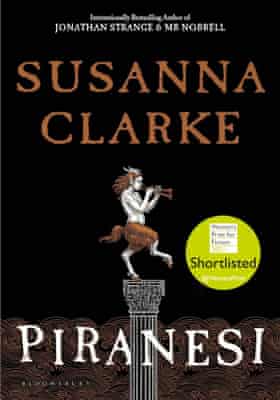
Piranesi
by Susanna Clarke
Alison, London: “It’s a beautiful, strange fable ultimately speaking to the experience of losing time. You can read it through the lens of emerging from chronic illness or grief, but especially after the time warp of pandemic lockdowns it hit me hard.”
The Dispossessed
by Ursula K Le Guin
Clare, Toronto, Canada, graduate student studying philosophy: “The only book I’ve read that treats an anarchist society with humanity and realism. It’s about theoretical physics, political ideology, and at heart it is a story about trying to find your home in a world where you don’t own anything. It’s beautiful and radical and smart.”
To the Lighthouse
by Virginia Woolf
Martin Ley, Chicago, US, 76, retired English teacher at a community college: “I read this in college, the year after I’d gotten back from serving in Vietnam. It was my first encounter with stream-of-consciousness writing. That, the profound diffidence of the narrator/implied author, and the sense of grief pervading every page changed the trajectory of my life.”
=63
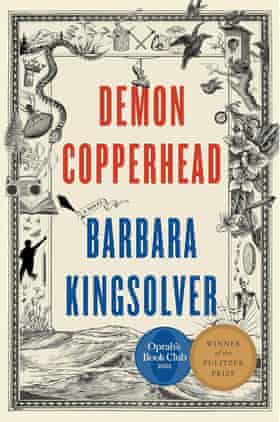
Demon Copperhead
by Barbara Kingsolver
Belle Taylor, Edinburgh, 34, works in science and tech communications: “I loved spotting the parallels and characters from David Copperfield but, more importantly, I adored this novel of a young man ploughing through a traumatic life – marred by addiction, abandonment and poverty – in Appalachia, at the beginning of the opioid crisis. Amazing characters and I learned loads.”
Germinal
by Émile Zola
Marcos Mariño, Geneva, Switzerland, 55, professor of physics and mathematics: “Émile Zola opened literature to the lives of the working classes and to regions of the psyche and sexuality that had long been concealed by a mixture of prudery and prejudice. At the same time, he transformed ordinary people into modern heroes and their hardships into a new form of tragedy.”
Madame Bovary
by Gustave Flaubert
Judith Klau, Massachusetts, US, 91, retired secondary school literature teacher: “No writer I have ever read understands the desperation of powerlessness and immobility like Flaubert in this book; nor the cataclysmic energy of sexual passion.”
Neapolitan Quartet
by Elena Ferrante
Lucia Benavides, Barcelona, Spain, Argentine-American writer and journalist: “This is the most realistic and complex friendship I’ve read in fiction. The characters are nuanced and complicated. The world-building that Ferrante accomplished is extraordinary and a pleasure to immerse oneself in. I often dream of the Naples and the people of this quartet.”
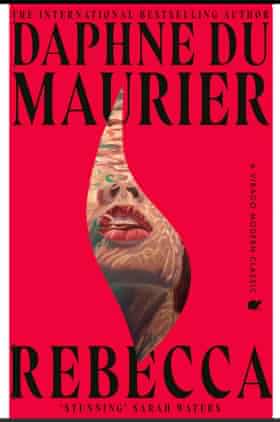
Rebecca
by Daphne du Maurier
Hunter Mattacks, Leeds, 37, works in clinical trials research:“Reading this novel was the first time I was presented with a character’s inner life in a way that reflected my own. Plus, it’s a well-crafted and atmospheric story, a great example of real world gothic, and I never feel Du Maurier gets the recognition she deserves for how good her characterisation and dialogue is.”
The Outsider
by Albert Camus
Dylan Moore, Cardiff, 46, English teacher: “This was put in my hand by a bookish neighbour when I was 17 and she was seventysomething. It opened up a world, not just of isms and ideas, but of the pure joy of being transported by reading. Before the famous killing on the beach, I was right there with Meursault: swimming, frying eggs, and simply existing under a Mediterranean sky. A true gift.”
The Tin Drum
by Günter Grass
Clare Winstanley, London, 75, allotment gardener who worked in public housing: “Grass was the first novelist to poke fun at the Nazis, through the brilliantly conceived main character, the dwarf Oskar. A pageant, a circus, a pilgrimage, a battle and so much more. Oskar sees the world at a different level and enables the reader to do so as well.”
62
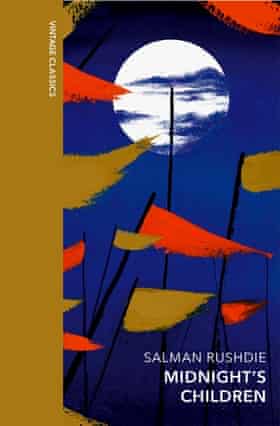
Midnight’s Children
by Salman Rushdie
Alok Ranjan Jha, Lusaka, Zambia, 53, diplomat: “This novel, a mind-boggling canvas of fictionalised modern Indian history, changed the destiny of Indian writing in English!”
=60
A Gentleman in Moscow
by Amor Towles
Peter, Australia, 67: “For a book with just one setting and such a small cast of characters, it held my attention from the very first paragraph. And has stayed with me all these years.”
Possession
by AS Byatt
Kay, Sheffield, 69, retired librarian: “Reading this book at a difficult time in my life, it felt like a true gift, a balm for the heart and soul. It’s beautifully constructed, a mystery, a love story, with clues to find in books and libraries, and poetry – such a heady concoction I was lost for days, reading wherever and whenever I could. When I finished the final few pages, I cried in joy and sorrow. I will never forget it, and have reread it at least five times.”
=57
2666
by Roberto Bolaño
Ash, Edinburgh, literature student: “A sprawling, dark, ferocious epic that still retains a heartbeat of true empathy. A novel about the failure of literature to capture and reckon with the evils of the 20th century, and our unyielding drive to create regardless.”
Cloud Atlas
by David Mitchell
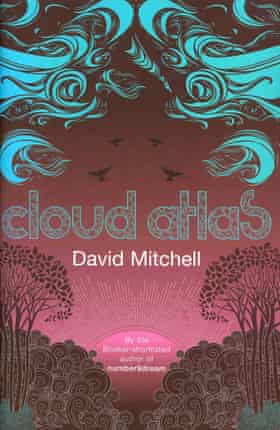
Jane, Stockport, 60, doctor: “An unforgettable and unique novel that explores our inhumanity and desire to exert power over others. Starting way back in the 1700s and stretching out to the future and back again, it tells six shocking stories. I can remember them all 15 years after reading it, which is a very uncommon experience for me with books!”
Never Let Me Go
by Kazuo Ishiguro
Sheila Knight, Skipton, North Yorkshire, 60, counsellor: “It still haunts me. And everyone sees something different – for me it’s the tragic impact of children’s unmet needs: confusion, stoicism, trauma bonding. It’s our reality writ large: we’re born, we’re shaped by our environment, some are luckier, some are exploited. But love transcends all that, makes this game of chance worthwhile.”
=52
Birdsong
by Sebastian Faulks
Nicky, France, psychotherapist: “The description of emotions we all feel, but often never discuss – love, comradeship, fear, resignation, betrayal … The context, broadly known, but meticulously described so the reader can feel they are experiencing it. The structure, an ingenious sandwich, which brings the past to the present.”
Emma
by Jane Austen
Nicola Barrett, London, 69, retired English teacher:“The perfect love story. The reader knows immediately Emma and Mr Knightley should be together, but Austen leads us through a dazzling maze of misunderstandings to get us back where we started. The plot is brilliantly worked out, comic and satirical by turns and immensely satisfying. Emma probably doesn’t deserve Mr Knightley but her realisation of love is just joyous!”
Lonesome Dove
by Larry McMurtry
Jim, Manchester, 55, local government worker:“Gripping from start to finish. Made me ugly cry several times, which is something I’m not generally prone to. A real treasure of a book.”
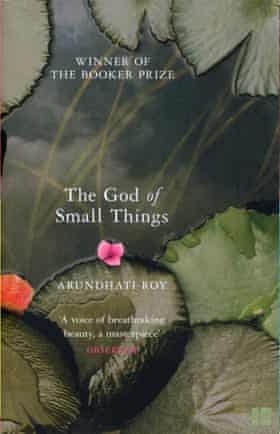
The God of Small Things
by Arundhati Roy
Billkiss Bhatia, Manila, the Philippines, 44, wife, mother and, for now, non-practising lawyer: “This is a novel that changed the way I thought about literature. It is personal and political and shows how personal is political. It is written in the most beautiful prose – unpretentious and heartbreaking. A revolutionary love story.”
The Magic Mountain
by Thomas Mann
Jeremy, Zagreb, Croatia, 48, anthropologist and historian: “A doorstopper set entirely in a Swiss tuberculosis clinic might not attract the casual reader, but few, if any, novels are more subtle in their explorations of modernity and mortality. Settembrini and Naphta’s intellectual jousting is exquisite.”
=49
A Tale of Two Cities
by Charles Dickens
Christine, Cairns, Australia, 64, retired teacher-librarian: “One of the greatest opening lines in literature, and one of the greatest ending lines as well. And all the wonderful writing in between.”
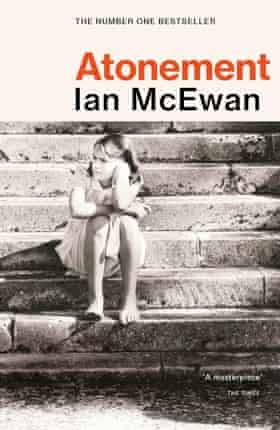
Atonement
by Ian McEwan
Sally, Derbyshire, 45, civil servant: “The writing is beautiful, the characters’ stories are so effortlessly told and Ian’s words at the end of the novel broke me. I finished reading it whilst on a long weekend in Paris (pre kids, pets and mortgage) and had to hide it in my suitcase – as every time I saw that bloody book I started sobbing again.”
David Copperfield
by Charles Dickens
Julian, California, USA, 59, college professor: “I love Great Expectations, I love Our Mutual Friend – but this most personal of his novels has a vulnerability in the main character that once made me cry without stopping on the train from Berlin to Amsterdam, despite a three-hour delay on the track.”
=46
Lolita
by Vladimir Nabokov
Peter, France, 60: “Three reasons: the writing, the writing, and the writing. Oh, and the story – unforgettable. And Humbert, of course. But it’s the writing: every single sentence of the novel is perfect. Only Nabokov could have transformed the book’s repulsive premise into such an astonishingly beautiful work of art.”
The Hitchhiker’s Guide to the Galaxy
by Douglas Adams
Cathy, Cardiff, 60s, works supporting homeless families: “A delightfully funny and absurd look at us humans, as its main character, Arthur Dent, bumbles about in space. We would do well to reacquaint ourselves with the likes of Marvin the Paranoid Android as a reality check against the uncontrolled and ill-thought-out charge towards AI that we are currently being subjected to.”
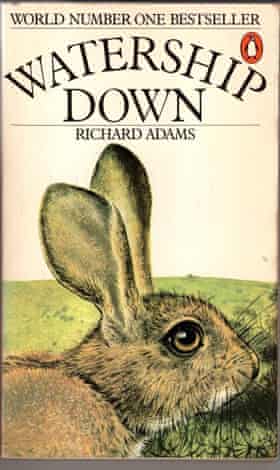
Watership Down
by Richard Adams
Ben, Shetland: “In one short book, Adams managed not only to tell a compelling story and thoughtful allegory for the 20th century, but create an entire world with its own language, cultures and history. I cannot think of a group of characters more deserving of the term ‘heroic’ than the little band of bunnies led by Hazel and Fiver.”
=41
A Fine Balance
by Rohinton Mistry
Rahul, London, 40: “Rohinton Mistry captures the spirit of an entire nation while homing in on the details of the lives of those we frequently ignore. Within the drudgery and minor difficulties of everyday life, though, he manages to find moments of beauty and brilliance.”

A Suitable Boy
by Vikram Seth
Lee Anne Test, Ohio, US, 57, former bookshop worker: “It’s romantic, yet practical. It’s big, yet intimate. It taught me about a culture and a time period about which I knew very little. I’ve recommended it to many people, and it’s always a hit.”
Heart of Darkness
by Joseph Conrad
Victoria, New York, 79: “The levels of brilliance: the critique of colonialism, of course, but mostly the exploration of the abyss humans have within them under a thin veneer of civilisation; madness as a result of being removed from the constraints of society and being thrown into the depths of oneself. Conrad almost always writes these themes, but most potently, for my money, in Heart of Darkness.”
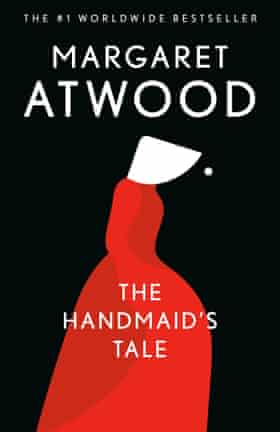
The Handmaid’s Tale
by Margaret Atwood
Celia, London, 32, documentary director: “The Handmaid’s Tale never felt safely fictional; it felt like history repeating itself in slow motion. Reading it, I could feel the past, present and future collapsing into one another, which is what made it so terrifying. But alongside that fear, the novel gave women something enduring: a symbol of resistance that escaped the page and entered real life. Few books speak truth to power so completely that they become part of collective language. If I’m ever lucky enough to have a daughter, she will be named June.”
The Secret History
by Donna Tartt
Gabrielle Ulubay, New York, 30, writer: “This is the ultimate dark academic thriller, marked by emotional depth, angst and gorgeous prose. The Secret History thrums with suspense until the very last page, and its ending is unforgettable.”
=39
Frankenstein
by Mary Shelley
Stella, Durham, 20, student: “Every time I read it, it impacts on me in a new way. It seems to be eternally relevant to every problem, and should now be read in the context of AI. It’s also astounding it was written by an 18-year-old.”
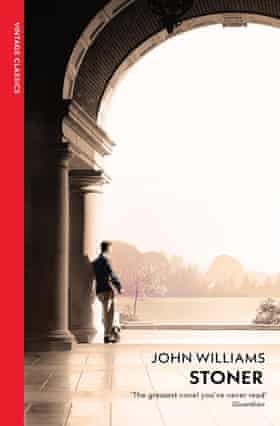
Stoner
by John Williams
Jordan, London, 27: “Never thought boredom and melancholy could be this interesting and engaging. Watching a life slide away slowly but surely just breaks your heart, right down to the final page.”
=37
A Prayer for Owen Meany
by John Irving
Buster Christianson, academic archaeologist, 68, Denmark: “Nowhere in English literature is there a novel that so excellently and successfully grapples with the nature of friendship. Irving’s prose, his humour and the importance of his theme make this an unforgettable reading experience.”
The Catcher in the Rye
by JD Salinger
Kevin, Delaware, US, 19, student: “Incredible prose, delightful storytelling, Salinger’s tone is crushingly sardonic. Holden is in all of us, although not many can admit it. A touching insight into grief and its effects.”
36
The Count of Monte Cristo
by Alexandre Dumas and Auguste Maquet
Emma, London, 39: “I read it about 20 years ago but still think about it most weeks. It took me to another plane of life and I haven’t fully returned since.”
35
A Confederacy of Dunces
by John Kennedy Toole
Tom, Brighton, 42: “Without a shadow of a doubt the funniest book I’ve ever read. I cannot think of many other novels I have read that have made me laugh out loud quite so much as this.”
=31
Infinite Jest
by David Foster Wallace
Sebastián, Argentina, 34, bookseller: “One hopes to live in a time when this novel can stop being so awfully relevant in highlighting the miseries of our culture. Also, it’s hilarious.”
The Master and Margarita
by Mikhail Bulgakov
Jessica, London, 28: “A brilliant piece of prose that satirises the fallacy of political and religious ideology – beautifully written, beautifully realised, beautifully permanent.”
The Poisonwood Bible
by Barbara Kingsolver
Cecilia Järdemar, Australia, 52: “It’s a book that for me has been unforgettable. It mixes protagonists from different cultures and has a deep understanding and compassion for all. The author’s knowledge of Kikongo proverbs help us understand a country and a time period few in the west know much about, despite its importance to all of us.”

The Remains of the Day
by Kazuo Ishiguro
Alec, New Zealand, 35: “Ishiguro has an amazing way of writing the voice of his characters that makes you want to keep reading. I think this is the most emotionally impacting novel and provides a solemn warning for how life ought to be lived.”
=29
The Adventures of Huckleberry Finn
by Mark Twain
Jane, Virginia, US, retired high school librarian:“Huckleberry is a realist, thinks for himself, is resourceful and kind. Such a lovable character who defies the horror of slavery by treating Jim, a runaway enslaved person, as a fellow human being. Twain’s satiric treatment of religion and social mores is great.”
Great Expectations
by Charles Dickens
John O’Reilly, Glasgow, late 50s: “A work that embraces Dickens’ empathy, romanticism and sense of social justice, its unrequited love aches. If there is a better, more humane man than Joe Gargery I’ve yet to read him.”
28
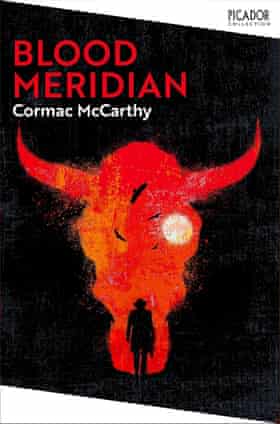
Blood Meridian
by Cormac McCarthy
Gordon Webb, Australia, 48, geologist: “The horror and the beauty. Prose that is simultaneously sublime and devastating. There is a three-page paragraph that is composed of one sentence. Incredible.”
=26
Bleak House
by Charles Dickens
Michele Miller, Tunbridge Wells, Kent, 68, life coach: “This is Dickens at his best. Bleak House is a cathedral of a novel – vast, intricate, alive. The fog that opens the book never quite lifts, and that is the genius of it: Chancery’s rot seeps into every life it touches, and Dickens makes you feel the chill in your bones. Esther Summerson is one of fiction’s most quietly radical narrators, her goodness neither simple nor sentimental. The plotting is vertiginous, the social fury barely contained, the comedy savage. To read it is to understand what the novel, as a form, is truly capable of.”
Jane Eyre
by Charlotte Brontë
Sarah Owen, Cheshire, 54: “The first book I ever read through the night and went to work with no sleep the next day. The sun was coming up as I finished it. All of the emotions: the outrage at her treatment as a child, the hope as she made her way into the world, the repressed longing, the romantic tension, the sting of betrayal – fantastic.”
25
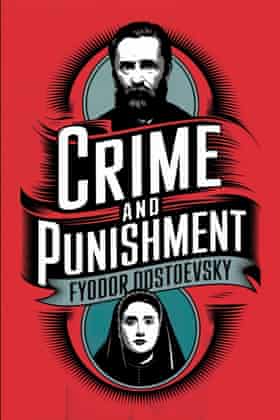
Crime and Punishment
by Fyodor Dostoevsky
Kevin Keating, Oregon, US, late middle age: “I first read it as a homeless 19-year-old punk rocker in Berkeley, California. It tangles with all the big questions of existence against a backdrop of the struggles of the urban poor. It is the most sustained accomplished act of psychological acuity in any narrative that I’ve ever encountered. It made me know that I had to become a novelist.”
24
Les Misérables
by Victor Hugo
Kathy, Russia: “This book is engraved in me. It made me feel deeply for Valjean and Fantine and others, sure, but also, unexpectedly, for Javert: a lost man destroyed by his own rigidity, unable to let go of the only moral order he was given. Hugo made me care about the terrifying tragedy of a person seeing his worldview collapse.”
23
Don Quixote
by Miguel de Cervantes
Paul, California, US, 63: “One of the most hilarious books I’ve read, it has also helped me to understand humans and our shit more than anything else. If you’re only going to read one novel in your life, this is it.”
=21
Slaughterhouse-Five
by Kurt Vonnegut
Thomas Keith, US, 38, real estate worker: “Pure magic. I can no more describe this novel in 100 words than I could describe what it means to be alive in 100 words.”
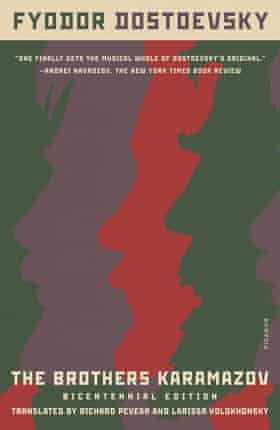
The Brothers Karamazov
by Fyodor Dostoevsky
Kyle, California, US, 25: “The site where all the different facets of Dostoevsky’s stomach-churning genius come together: rough and shocking prose, penetrating humanist philosophy, and uncomfortably true-to-life psychological character studies. Salacious murder trial as a bonus.”
20
Beloved
by Toni Morrison
Sikkaaka Sompo, the Gambia: “Beloved is that rare beast, an important subject done deserved justice in the best possible language imaginable. It taught me more about slavery than any single history book.”
19
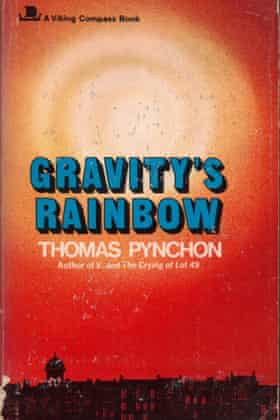
Gravity’s Rainbow
by Thomas Pynchon
Nathan Cowie, Australia, 28, public servant economist: “This is fiction at its most indulgent and digressive. Any good book sweeps you up and into its world, and Pynchon goes further than I’ve seen any author go by trapping you in a cage of unease, paranoia and delusion. So fun.”
=16
East of Eden
by John Steinbeck
John Watkin, California, US, 68: “Unforgettable characters trying to figure out the meaning of life while stumbling through family scandal and heartbreak. Powerful, smack-you-in-the-face writing, with the occasional guffaw just when you least expect it.”
Persuasion
by Jane Austen
Verity Hancock, Leicestershire, 59, semi-retired college principal: “This perfect story is the best of Jane Austen’s books and the best novel ever written. Melancholic at first; comic in parts; daring in places; triumphantly optimistic and satisfying in conclusion. Every detail is exquisite and Anne is a quiet heroine for all the ages.”

The Great Gatsby
by F Scott Fitzgerald
Philip Rebbeck, Surrey, 50s, English teacher: “The Great Gatsby must be as close to perfection as a novel can get. The tale of the doomed romance between Gatsby and Daisy, the rather slight story is elevated by Fitzgerald’s exquisite prose and his ability to capture the 1920s zeitgeist. An absolute masterpiece, which I often return to.”
15
In Search of Lost Time
by Marcel Proust
Mary, California, US, retired public defender: “In Search of Lost Time has so many aspects to it that you can always find something new to enjoy. Painting, music, politics, psychology, sexuality, love and human nature are all explored by the author. If I were stuck on a desert island, this is the book I would want to have with me.”
=14
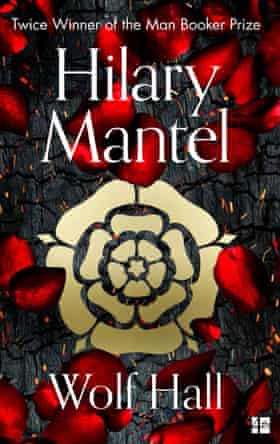
Wolf Hall
by Hilary Mantel
George, London, 31: “I have never read a book like Wolf Hall and I am not sure there will ever be another book like it. I never forget the descriptions of smells and textures, like orange and cinnamon in the air or cobbled stones underfoot.”
Wuthering Heights
by Emily Brontë
Élise Camilla, Oxford, bookshop worker: “Gothic. Shakespearean. Dramatic. Beautiful. I’ve never loved a novel as much as this one … It changed the fabric of my being at 15 and I’ve never looked back.”
12
Moby-Dick
by Herman Melville
Aprille McKay, Michigan, US, retired archivist: “I didn’t read it until I was 55, and was floored by how creative the storytelling is. A chapter like a play, a chapter like a sermon, a chapter like a textbook – who knew there was anybody writing this way in the 19th century?”
11
Anna Karenina
by Leo Tolstoy
Olalla, London, 50, physics professor: “I love how all characters in Tolstoy, even those that one dislikes, are rendered human. Anna, of course, is a fascinating woman you cannot help both identifying with and falling in love with. But I have always loved the character of Levin, who finds happiness and enlightenment through physical work and immersion in nature. I always wish I can one day find the kind of peace with the world that Levin seems to find.”
10
Ulysses
by James Joyce
Jeremy Yapp, Hertfordshire, 52: “The best books contain worlds. This is one of those books. Immortal themes of love and loss; one of the best female characters written by a man in all of literature; fatherhood and filial complications; a magnificent structure; so much richness and pathos and exquisite sadness; a very funny book. And difficult, but every line repays the work.”
=8
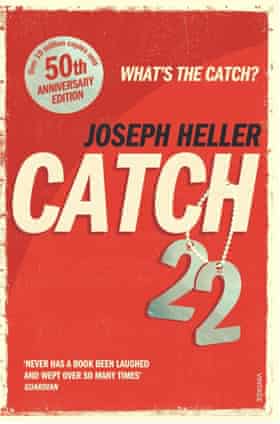
Catch-22
by Joseph Heller
Hamilton, Amsterdam, 43, urban planner: “Reading Catch-22 as a teenager opened my eyes to the absurdity of life and the power of art. I was hooked. Revisiting it in my 20s gave me a deeper understanding of people, their contradictions and the theatre of life. Now, in my 40s, it feels even more truthful and essential than ever. For me, it’s unquestionably No 1.”
One Hundred Years of Solitude
by Gabriel García Márquez
Daniel Diffin, Westerly, Rhode Island, US, 69, retired physician: “The novel that created magic realism and did it better than any other. Funny, sad, magical, and a great explanation of Latin American history and the Colombian character.”
7
Nineteen Eighty-Four
by George Orwell
Dhaval Bhate, Singapore, 36, sociologist in training:“Rarely has a novel felt as frighteningly relevant as Nineteen Eighty-Four does today. The chills I experienced while reading it came not only from its brilliance, but from how closely its world echoes lived realities around us. Orwell compels us to remain critical, aware and questioning of power, surveillance and control. At its heart, this novel is a reminder that the ability to think freely, to dissent and to protest is deeply tied to what makes us human.”
6
War and Peace
by Leo Tolstoy
Maggie Walker, Devon, 78: “As well as war and peace, all of human life is here: the longing, searching, loss, love and heartache, the temptation, the decadence, and redemption, the joy of life and inevitable death. And Natasha lives more vibrantly than anyone in print.”
5
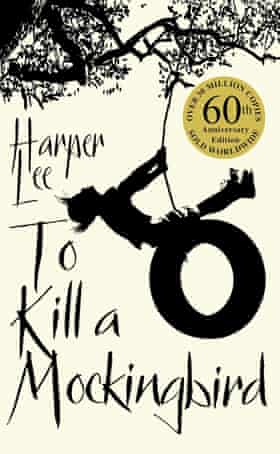
To Kill a Mockingbird
by Harper Lee
Gwen Stephens Jones, Llŷn peninsula, Wales, 54, social media marketing manager: “Atticus Finch is the man that all men and fathers should look to for inspiration. The naivety of the kids provides such a jarring contrast to the hate-fuelled Jim Crow South. Even today (maybe especially today) the book still reads as a condemnation of American racial inequality and ignorance.”
Paul Milne, Scotland, 69, retired civil servant:“Eminently readable, funny as hell, an amazing combination of social history, social justice, fine storytelling, an inspirational protagonist (Atticus Finch) and one of the most engaging voices in literature in the narrator, Scout.”
4
The Grapes of Wrath
by John Steinbeck
Dylan Moore, Cardiff, 46, English teacher: “The ultimate road trip. The novel as documentary history, biblical epic and told in language for the common man. The story of the Joad family is the tale of the 1930s dustbowl and a particular American place and time, but its mythic qualities make it the story of humanity too.”
Martin Searle, Thailand/Cornwall, retired: “Painful, gut-wrenching, beautiful, thought-provoking, occasionally oversentimental and always remarkable, this is not an easy book to read. However, everyone should. Its angry message about humankind’s exploitation (and fear/hatred) of our fellow men and women is just as relevant today in our world of economic migration, natural and manmade disasters, refugee movements across continents.”
3

Pride and Prejudice
by Jane Austen
Heather, Los Angeles, research analyst: “This is a perfect novel that speaks with incredible precision and humour about class and gender. I reread it every 10 years or so – in my teens and 20s it was a fairytale; in my 30s it was a cautionary tale; and now I see it as a horror story (the improbable happy ending is only a thin veneer masking the more likely fate of girls in Lizzie’s and her sisters’ position).”
David, Loanhead, Scotland, 68, retired: “A porcelain gem with a backbone of steel. A novel which resonates with everyone navigating adulthood and the pressures to find a partner with whom to navigate the world – one way or another.”
2
Middlemarch
by George Eliot
Katrina Evans, Sydney, GP: “You can take all your weighty Russian greats so long as I get to keep this classic – warm, wise, witty and just so generous of heart. Critical darlings can sometimes seem cold and distant but this one felt like an old friend. Unerring in its depiction of human folly but forgiving of it too. And it’s really funny. If I believed in God I’d want her to be like George Eliot.”
Carrie, Chester, 45: “This novel is like an old, comforting blanket. I wrap myself in it every few years. To me, no other novelist has such empathy and understanding of her characters. She never sneers or mocks. Somehow, even the most unlikeable characters, like Casaubon, are shown in their true colours and yet with the most startling sympathy and clarity.”
1
The Lord of the Rings
by JRR Tolkien
Grant Currie, Marlow, Buckinghamshire, 55, corporate communications: “I don’t think there is much to say here! A masterpiece of storytelling and universe creation. I think I first read it when I was 13 and just could not put it down. I would sit in my bedroom for hours drawn into a different world. For someone growing up on a council estate, it was escapism at its very finest!”
Kathleen Reeves, Somerset, 65: “I cannot tell you how many times I read this as a teenager, the dreams it planted in my head, the images, music, history and breadth of where a world could be explored if you left your front door and took a first step. A mythology for our chequered isle dappled in depth, darkness, light, resilience, love and compassion.”


No comments:
Post a Comment