
 |
The Correspondent Is an Epistolary Novel for the Social Media Age
Virginia Evans’ debut book was a surprise hit. After reading it, I think I understand why.
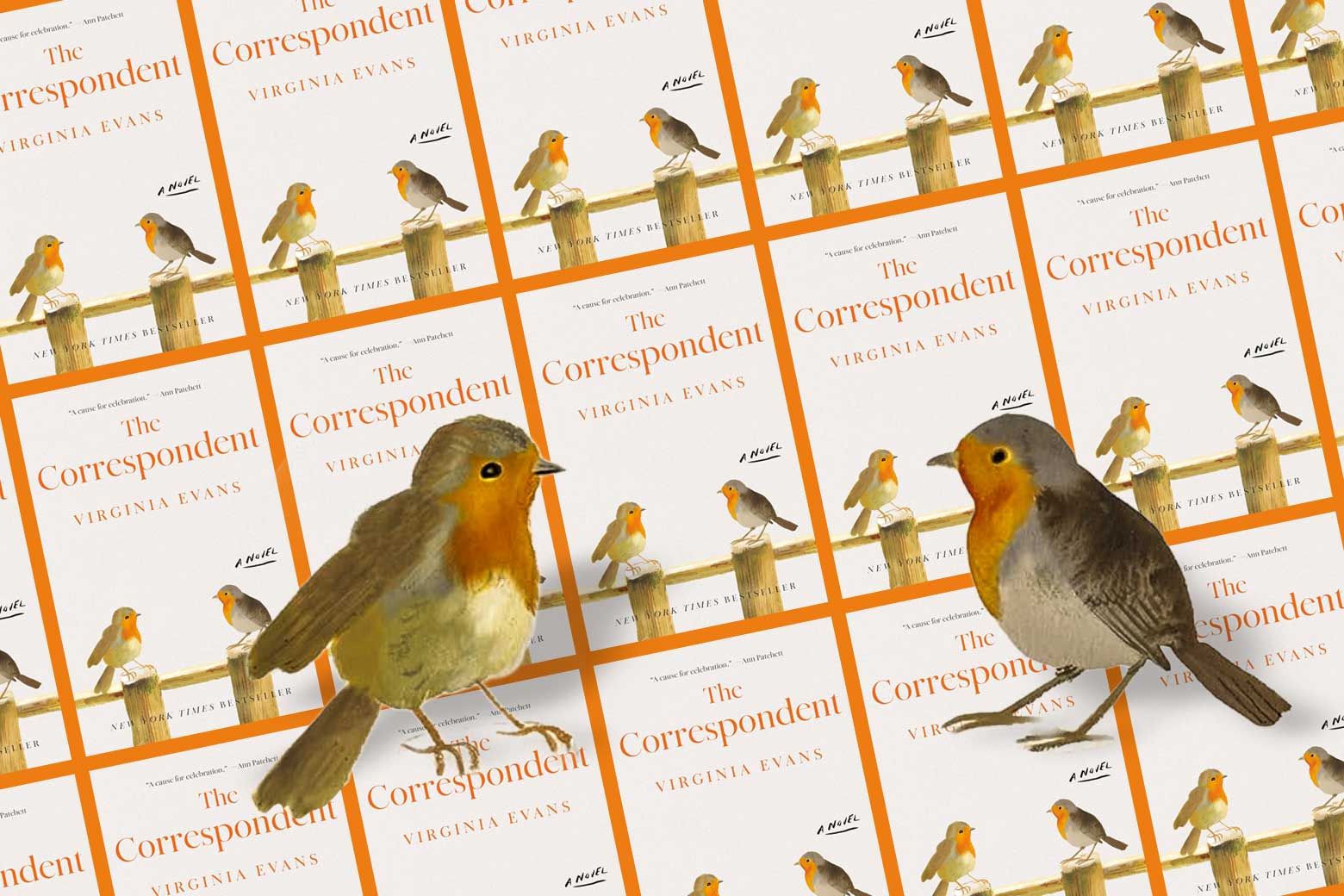
One of the biggest literary hits of 2025 seemingly came out of nowhere. The Correspondent, the debut book of Virginia Evans, an unpublished author who had previously written seven unsold novels, was published in April, but it wasn’t until December that it made it to the top of the New York Times bestseller list for hardcover fiction. (After 13 weeks on the list, it now sits at No. 3.) The novel’s slowly building dominance—“one of the publishing industry’s heartwarming champions of 2025,” the New York Times called it—is the stuff of fairy tales, dangerously encouraging for every other unpublished author out there.
But what is it about The Correspondent that has given it such selling power? “Even to its biggest boosters, the book’s ongoing success is something of a mystery,” the Times wrote in December. “There wasn’t one thing that has propelled this,” said Amy Einhorn, who acquired the novel for Crown, to the Times reporters asking how The Correspondentbroke through. One of the many contributing factors could be Ann Patchett, the beloved author best known for Bel Canto and other acclaimed fiction titles. Evans used to write letters to the novelist, who blurbed The Correspondent and hyped the book on PBS News Hour last year. This partial origin story—correspondence helped launch The Correspondent!—adds to the intrigue around the book’s success.
In that PBS appearance, Patchett said she initially doubted the book’s staying power because epistolary novels—novels written in the form of letters or other kinds of correspondence—“usually don’t work.” And yet something about The Correspondent did work, enough to turn it into a quiet sensation with surprising staying power. After reading the book, I get it now. The Correspondent is an epistolary novel par excellence, a tale told in letters that is staunchly, defiantly old-school, in form and message. Its main character—Sybil Van Antwerp, a septuagenarian divorcée, mother of two living children, and former attorney living in Maryland—writes a few emails, when she must. But she much prefers sitting down with pen and paper. The book is mostly written in Sybil’s voice, interspersed with some letters she receives, and a few memorable emailed exchanges, which are often testier than the rest of her correspondence. (As Sybil says, “I often find myself behaving with less civility over email.”) Sybil is an intelligent, prickly, ultimately honorable person, and the concentrated Sybil-ness of the letters is the selling point of The Correspondent.
 |
| Virginia Evans |
It might be true that readers find epistolary novels off-putting. (Anecdotally, I know a few readers who do.) But something about our particular moment calls forth nostalgia for pen-and-paper communication. This is an epistolary novel for the social media era, appealing to the hearts of readers who feel like they were born just a little too late, and are now condemned to operate in a world where interpersonal communication is so omnipresent as to have lost its glamour.


No comments:
Post a Comment