
India’s timeless spiritual journey
A look at ashrams, sacred sites, and soulful traditions
India has long been revered as the spiritual heart of the world—a land where ancient wisdom, living traditions, and mystical practices continue to flourish. From the sacred banks of the Ganges to the quiet solitude of Himalayan ashrams, the country offers a deeply transformative journey into the essence of spirituality.
More than a destination, India is an experience that unfolds layer by layer. It invites seekers not only to explore sacred spaces but also to encounter the deeper dimensions of the self. Through its ashrams, pilgrimage sites, festivals, healing traditions, and enlightened teachers, India presents a timeless map toward inner awakening.
The call of the ashrams
In India, an ashram is far more than a retreat. It is a living sanctuary of learning, self-inquiry, discipline, and community. Rooted in centuries-old traditions, ashrams remain central to India’s spiritual landscape, offering seekers an immersive environment for growth and reflection.
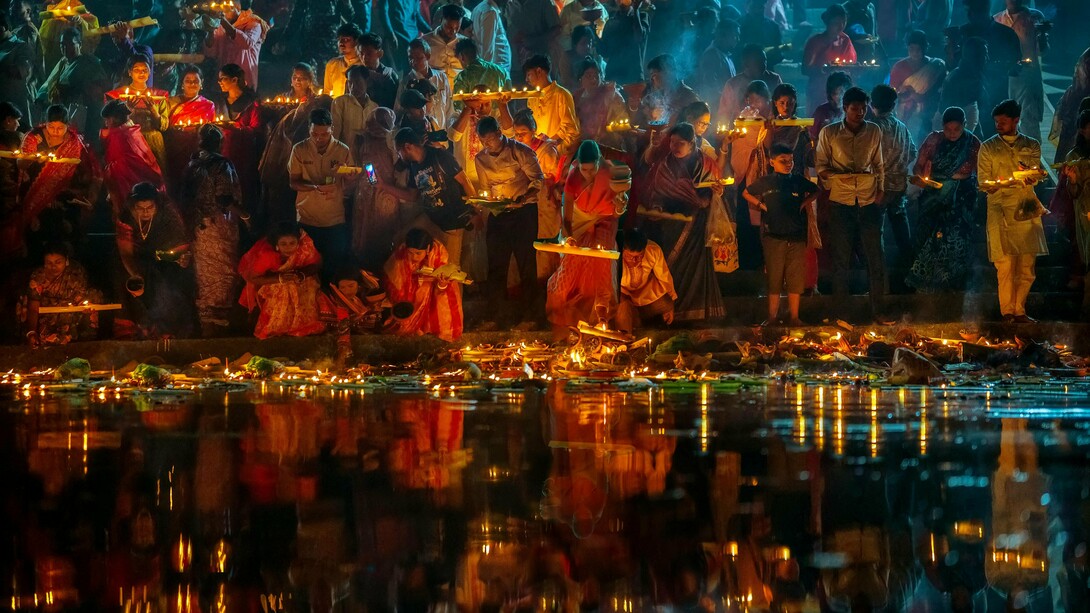
Rishikesh, often referred to as the Yoga Capital of the World, is home to numerous ashrams where yogic practices, meditation, and spiritual discourses shape daily life. Among them, Parmarth Niketan Ashram stands out for its evening Ganga Aarti, a moving ritual that draws thousands into moments of collective silence and devotion.
In southern India, the Sri Ramana Maharshi Ashram, nestled at the foot of Arunachala Hill in Tamil Nadu, continues to radiate the teachings of self-inquiry and silence. Here, the path is not one of elaborate rituals but of turning inward to ask the essential question: Who am I?
Meanwhile, in Maharashtra, the Osho International Meditation Resort in Pune represents a more contemporary expression of spiritual exploration. Combining dynamic meditation techniques with modern sensibilities, it attracts seekers drawn to both freedom and depth.
Across India, ashrams serve as crucibles of transformation. Here, ancient wisdom meets modern aspiration, offering diverse paths for today’s spiritual pilgrims.
Sacred sites: a pilgrimage of the soul
Beyond ashrams, India is a land woven with sacred geography — places that vibrate with centuries of devotion and prayer. Each site carries its own spiritual frequency, inviting pilgrims into a timeless dialogue between humanity and the divine.
Varanasi, one of the oldest continuously inhabited cities in the world, stands as the spiritual epicentre of Hinduism. Along the ghats of the Ganges, dawn reveals scenes of ritual bathing, low chants drifting through the mist, and quiet contemplation. Life and death coexist openly here, reminding visitors of the impermanence that lies at the heart of spiritual truth.
Bodh Gaya, where Siddhartha Gautama attained enlightenment beneath the Bodhi tree, remains the most revered site in the Buddhist world. Pilgrims from across Asia and beyond gather in meditation, drawn by the profound stillness that permeates the land.
Elsewhere, the intricate temples of Khajuraho, the luminous Golden Temple in Amritsar, and the sacred Mount Kailash—revered by Hindus, Buddhists, Jains, and Bon practitioners—reveal the depth and diversity of India’s spiritual heritage.
These sacred spaces are not merely destinations. They are portals into a deeper awareness, where seekers reconnect with something vast, ancient, and eternal.
Festivals: celebrations of the spirit
India’s spirituality is not confined to silence and solitude. It is equally expressed through festivals—vibrant, collective celebrations where devotion, joy, and community converge.
The Kumbh Mela, held every twelve years at four rotating sacred locations, is the largest human gathering on Earth. Millions of pilgrims immerse themselves in holy rivers, seeking purification, renewal, and liberation.
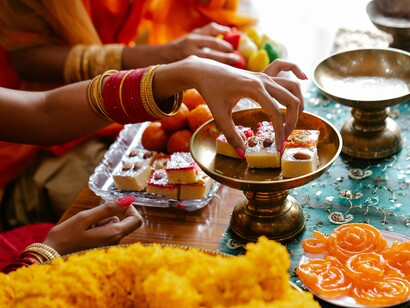
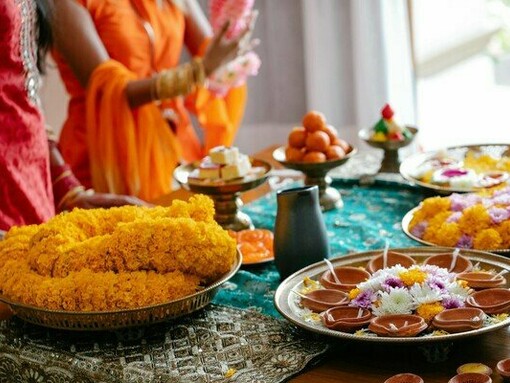
Diwali, the festival of lights, is associated with the triumph of light over darkness and good over evil. In December 2025, during the 20th session of the Intergovernmental Committee for the Safeguarding of the Intangible Cultural Heritage held in New Delhi, Deepavali was officially inscribed on UNESCO’s Representative List of the Intangible Cultural Heritage of Humanity. This recognition marked a historic moment, celebrating the festival’s profound cultural and spiritual significance and filling Indians worldwide with pride.
Holi, the festival of colours, transforms streets into joyful expressions of unity and playfulness, dissolving social boundaries through laughter and shared celebration. In Kerala, Onam blends harvest rituals with spiritual reverence, while in Tamil Nadu, Pongal honours the sun, gratitude, and abundance.
These festivals are not mere spectacles. They are living expressions of India’s spirituality—dynamic, inclusive, and deeply rooted in collective consciousness.
Traditional healing and Ayurveda
India’s spiritual journey also extends into the realm of holistic healing. Ayurveda, meaning “the science of life,” is an ancient medical system founded on the balance of body, mind, and spirit.
Kerala, with its lush landscapes and tranquil backwaters, is internationally renowned for Ayurvedic retreats. Here, seekers undergo panchakarma detoxification, explore herbal medicine, and receive treatments guided by knowledge passed down through generations.
Yoga, inseparable from India’s spiritual fabric, offers another pathway toward self-realization. Beyond physical postures, yoga in India represents an integrated discipline of ethics, breath, meditation, and awareness. In Mysore, considered the birthplace of Ashtanga yoga, students from around the world study under experienced gurus, immersing themselves in authentic practice.
These traditions affirm a central truth of Indian spirituality: the body is not separate from the soul but a sacred vessel to be honoured and refined.
The wisdom of the gurus
At the heart of India’s spiritual legacy lies the guru tradition. From the poetic mysticism of Kabir and Mirabai to the universal vision of Swami Vivekananda, India’s sages have illuminated paths that transcend time, culture, and religion.
In the modern era, spiritual teachers such as Sadhguru and Sri Sri Ravi Shankar continue this lineage, offering teachings that bridge ancient wisdom with contemporary life. Through satsangs, discourses, and silent retreats, seekers are guided toward clarity, compassion, and inner freedom.
The guru, in this tradition, is not merely a teacher but a mirror—reflecting the seeker’s own potential for awakening.
A personal transformation
Many travellers arrive in India driven by curiosity, yet leave profoundly changed. Whether meditating beside the Ganges, chanting with sadhus in Haridwar, or witnessing cremation rituals at Manikarnika Ghat, the experience often dissolves superficial layers of identity.
India has a way of confronting seekers with life’s essential questions—sometimes gently, sometimes uncomfortably: impermanence, surrender, and presence. In doing so, it gently invites one to let go of attachments, illusions, and fears, revealing the luminous simplicity of being.
Conclusion: an endless journey
Spiritual India is not a journey with a final destination. It is an unfolding experience that continues long after one has returned home. Its echoes remain in silence, in breath, in awareness.
From its ashrams and sacred sites to its festivals, healing traditions, and timeless wisdom, India offers more than spiritual inspiration. It offers a profound invitation: to awaken, to heal, and to remember the divine essence that flows through all of life.
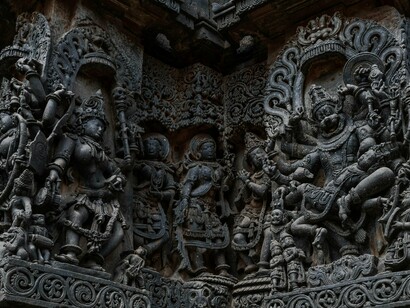
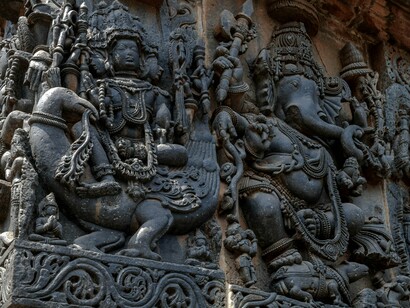
- Delicately sculpted figures and motifs in temple stonework in Shri Hoysaleswara Temple, Karnataka, symbolising centuries of devotion and mythological storytelling
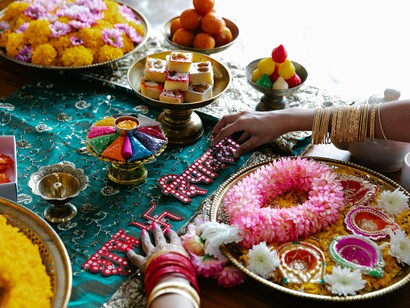
- Women engaged in festive preparation, symbolising the joy and reverence of the Diwali rituals
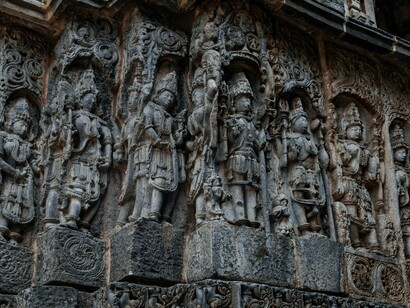
- Finely chiselled stone deities and patterns in Shri Hoysaleswara Temple, Karnataka, reflecting the connection between art and worship
- Hands busy arranging sweets and flowers, reflecting the harmony of tradition and celebration
- Ornate sculptures of gods decorating the temple walls in Shri Hoysaleswara Temple, Karnataka, representing the continuity of faith across generations
- Women thoughtfully arranging festive elements, representing the celebration of light overcoming darkness


No comments:
Post a Comment