Showing posts with label Eliza Parsons. Show all posts

Thursday, October 23, 2025

Eliza Parsons’ 'The mysterious warning' revisited


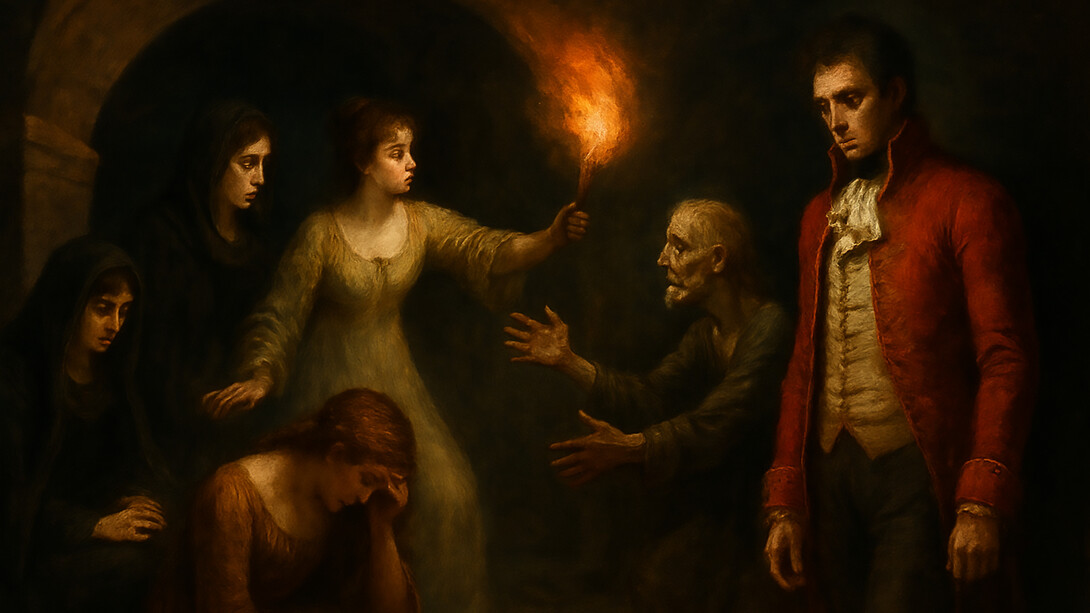
A haunting moment unfolds in a dimly lit dungeon, where grief, fear, and desperation converge—capturing the gothic intensity and emotional turmoil of The Mysterious Warning by Eliza Parsons


Eliza Parsons’ 'The mysterious warning' revisited

Gothic conventions, patriarchal cruelty, and eighteenth-century politics in a forgotten classic

20 AUGUST 2025, 

The Mysterious Warning was written in 1795 and is now believed to have been written by Eliza Parsons, author of The Castle of Wolfenbach, which is also set in Germany. In common with Horrid Mysteries and The Necromancer, there are multiple perspectives told in the form of memoirs or letters. We begin with Ferdinand’s situation, moving to the Baron’s cruelty to Eugenia and the Count before returning to Fatima/Charlotte and the revelation of incest.

Are Northanger ‘horrid novels’ actually horrid?


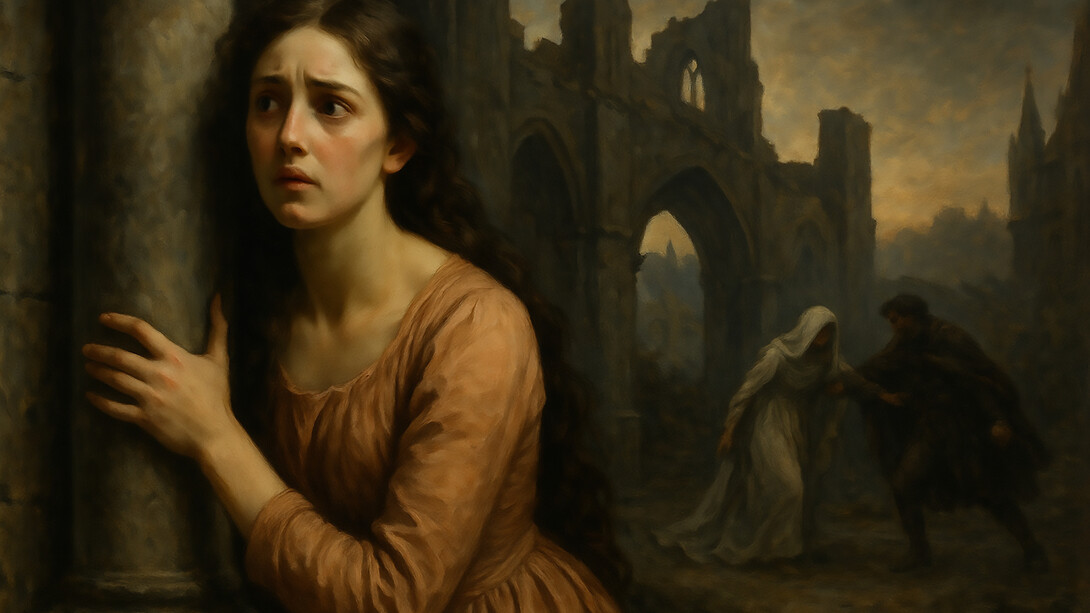
A terrified young woman clings to a pillar amid the ruins of a Gothic castle, while a shadowy figure drags another woman into the darkness, evoking themes of fear, captivity, and female vulnerability

Are Northanger ‘horrid novels’ actually horrid?

How fear and disgust are portrayed in gothic novels

20 OCTOBER 2025, 

Karalyn Skinner, in her analysis of the use of the word "horrid" in Northanger Abbey, suggests there is a dual meaning. The Oxford Dictionary defines it as causing “horror or aversion,” being formed through the sensory, emotional language used within the gothic genre. It also relates to the circumstances of the heroine, who is kidnapped, imprisoned, and abused, usually by male protectors. Karalyn makes the distinction between Catherine Moreland’s view of horrid gothic and Isabella, who uses the more colloquial term to signify something offensive, disagreeable, and objectionable.

Wednesday, August 6, 2025

The Castle of Wolfenbach by Eliza Parsons


The titular Castle of Wolfenbach as depicted in the gothic novel by Eliza Parsons

The Castle of Wolfenbach by Eliza Parsons

Power, incest and the female heroine in the gothic novel

20 FEBRUARY 2023, 

Eliza Phelp was born in 1748 to a prosperous Plymouth wine merchant. As his only daughter, she received an adequate education and married Mr Parsons, a turpentine distiller and moved to Stonehouse. During the American Revolutionary War, he lost two of his ships which were seized by the colonists. The family moved to London where their house and goods were destroyed by fire. Mr Parsons subsequently suffered a stroke and died 3 years later, leaving a wife and eight children. Like fellow author Charlotte Smith, she began to write as a way of supporting her family. Eliza Parsons published the Castle of Wolfenbach in 1793.